Discover Mount Kilimanjaro
Discover Mount Kilimanjaro: Africa’s Highest Mountain
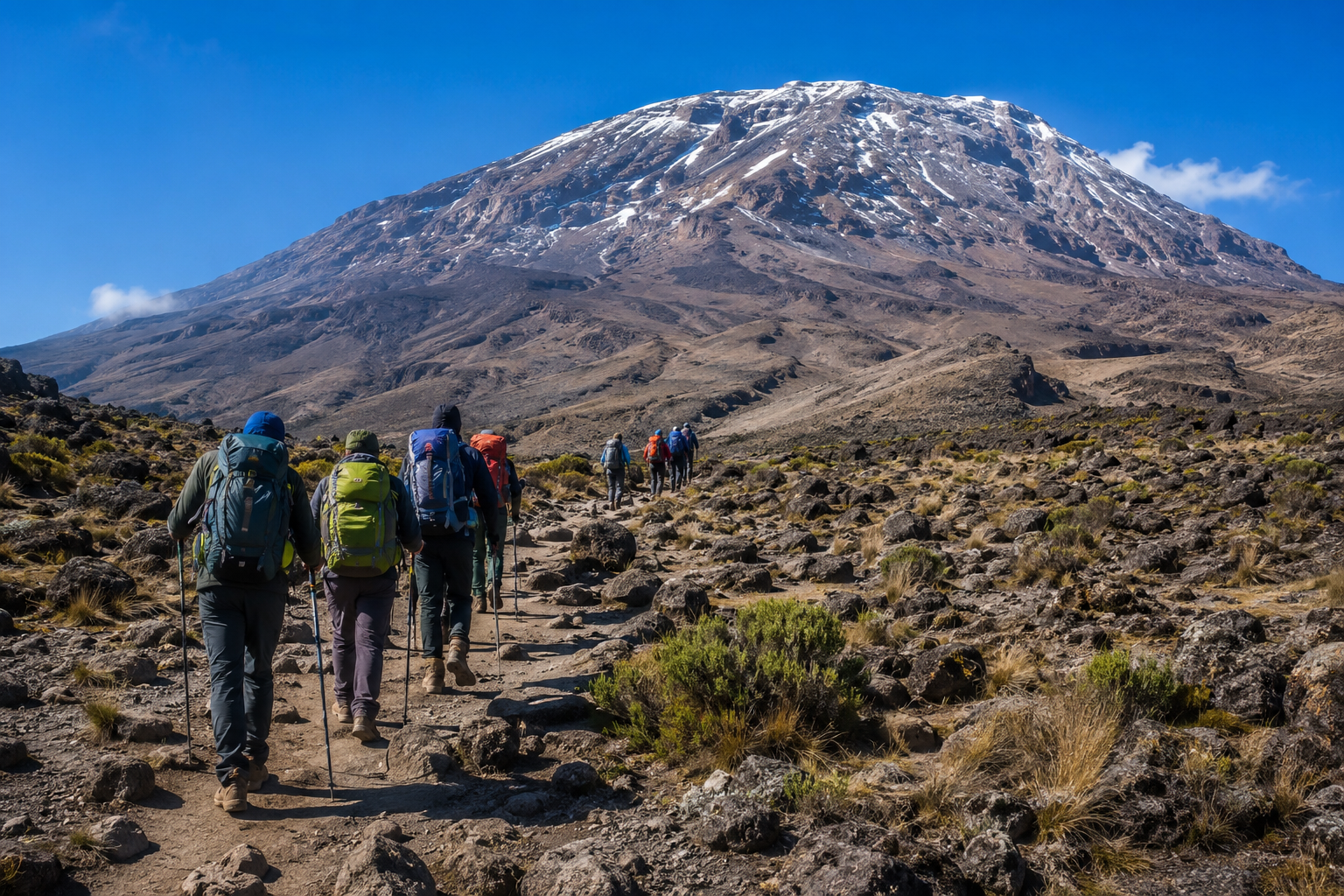
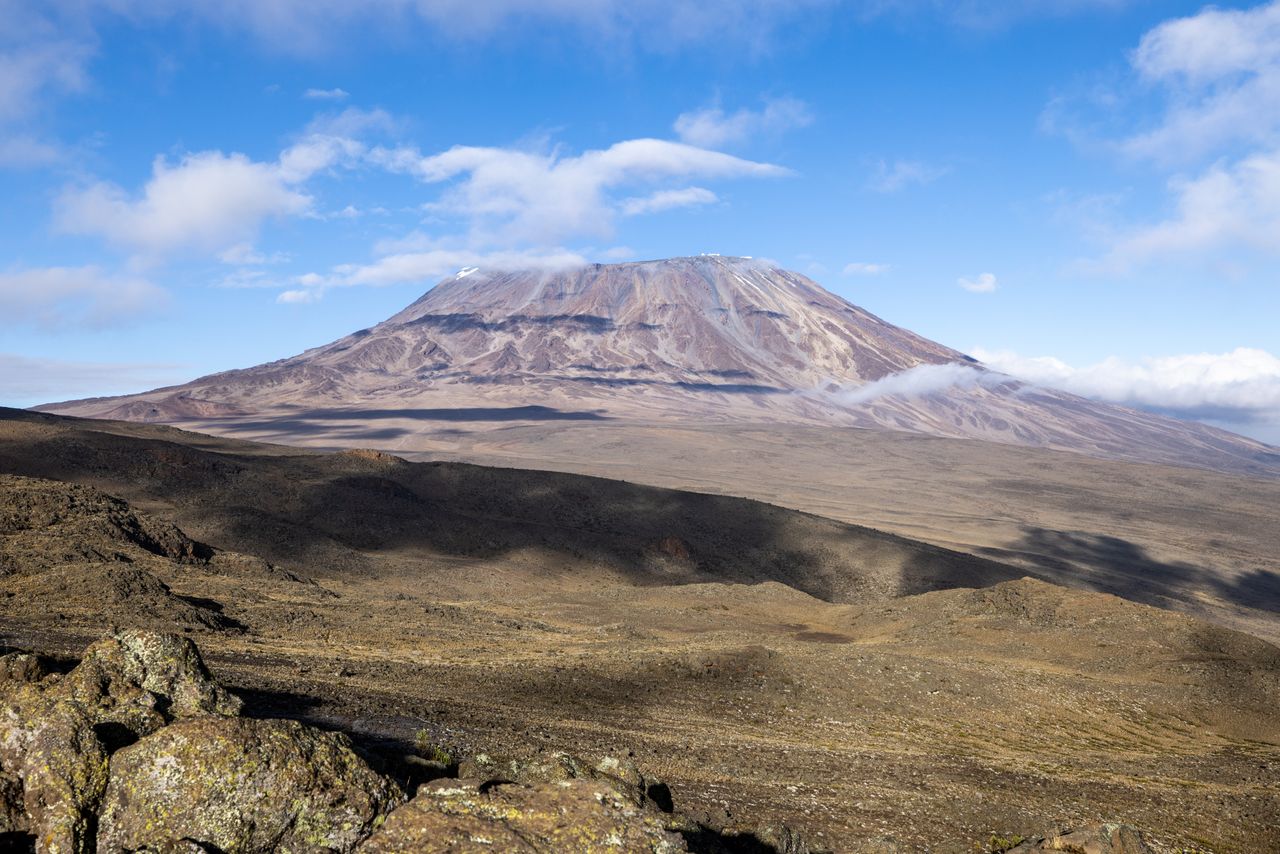
Mount Kilimanjaro is the highest mountain in Africa, rising to 5,895 metres in northern Tanzania. Its broad volcanic silhouette stands above the surrounding plains, while its upper slopes contain stark rock, volcanic formations and remnant summit ice. A Kilimanjaro trek moves through contrasting ecosystems and asks climbers to adapt not only to changing terrain but also to a substantial reduction in available oxygen as altitude increases.
Kilimanjaro National Park is a UNESCO World Heritage Site. The mountain is not a single pointed summit: it is a volcanic massif shaped by Kibo, Mawenzi and Shira. Most conventional summit trekking itineraries aim for Uhuru Peak on Kibo, though routes, camp sequences and acclimatization opportunities differ considerably.
The Three Main Volcanic Features
- Kibo and Uhuru Peak, 5,895 metres: Kibo is the highest volcanic cone, and Uhuru Peak on its crater rim is the usual destination for summit trekking itineraries.
- Mawenzi, approximately 5,149 metres: a rugged volcanic cone with striking jagged ridges, important for views along northern and eastern approaches. Technical access is distinct from a normal Uhuru Peak trek.
- Shira, approximately 3,962 metres: an older volcanic feature and high plateau landscape, associated with open moorland and broad western approach views.
Visitors should distinguish reaching Uhuru Peak from visiting a scenic part of the mountain. A trip that ends at a forest viewpoint or on the Shira Plateau is a different experience from a full summit expedition.
Major Kilimanjaro Climbing Routes
Machame Route
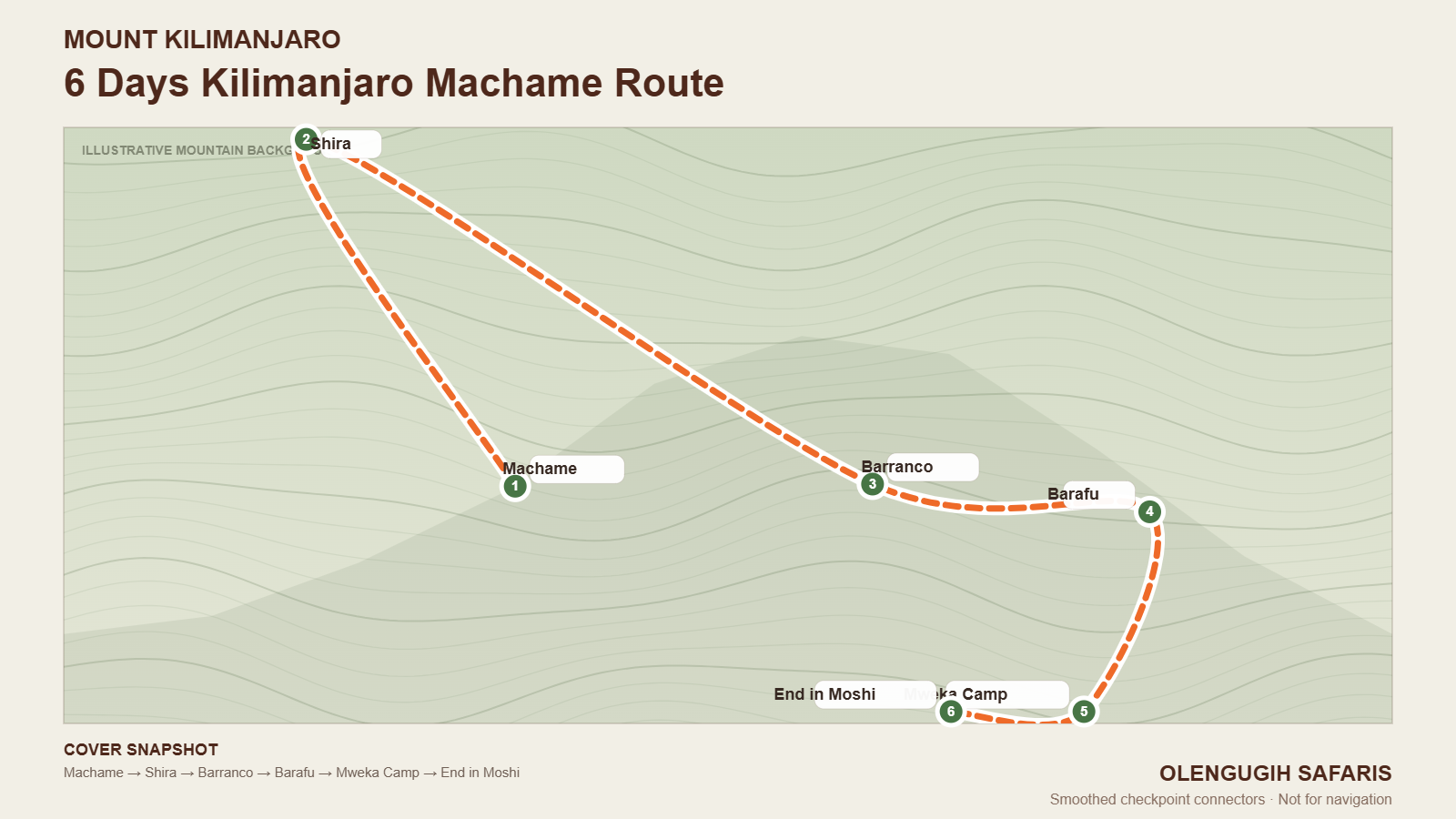
Machame is a popular camping approach through changing habitats on the southern side of the mountain. Common itineraries move through rainforest, moorland and the Shira Plateau toward the Barranco area before continuing toward the upper summit route. Its longer versions can provide additional acclimatization time. The actual schedule and camps should be checked on the selected expedition.
Marangu Route
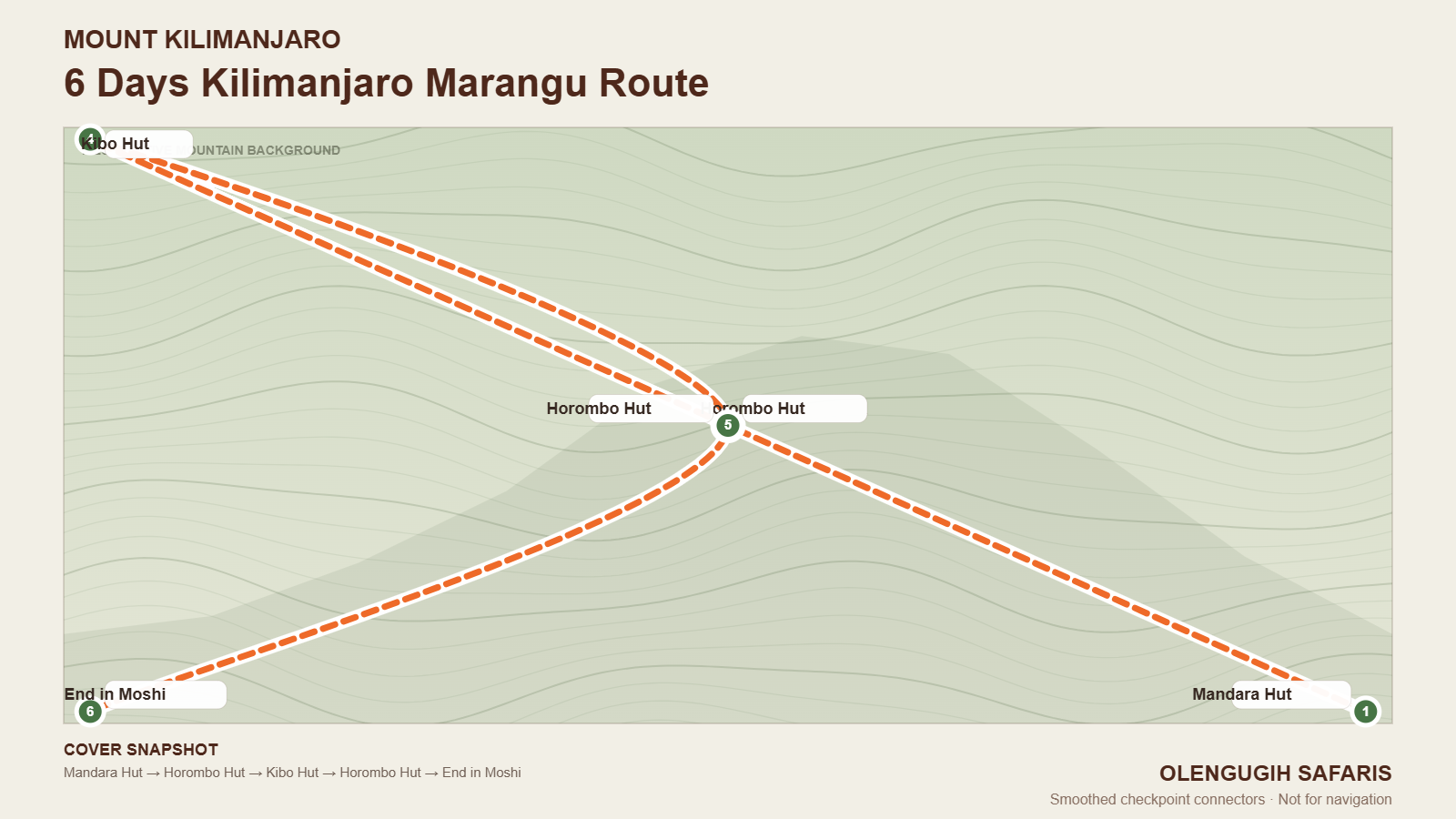
Marangu is particularly known for its hut based overnight accommodation on standard itineraries, with commonly named stops such as Mandara, Horombo and Kibo. It can be offered in different durations. A shorter advertised climb may provide less time to adjust to altitude, so compare acclimatization days rather than judging by the number of nights alone.
Lemosho Route
Lemosho approaches Kilimanjaro from the west and is often selected for a gradual scenic journey that later joins established southern mountain corridors. Forest walking, Shira landscapes and changing viewpoints are among its draws. Different Lemosho packages may include additional acclimatization stages or hotel nights outside the mountain.
Rongai Route
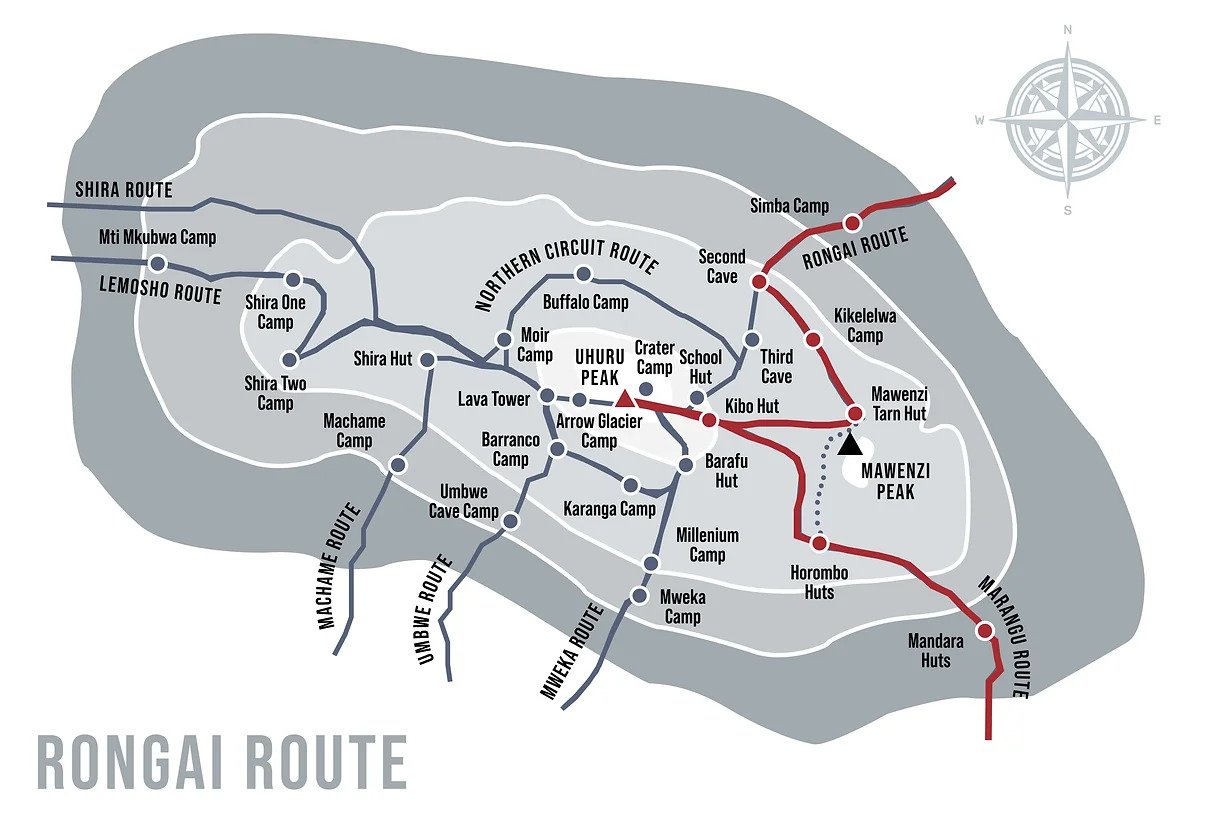
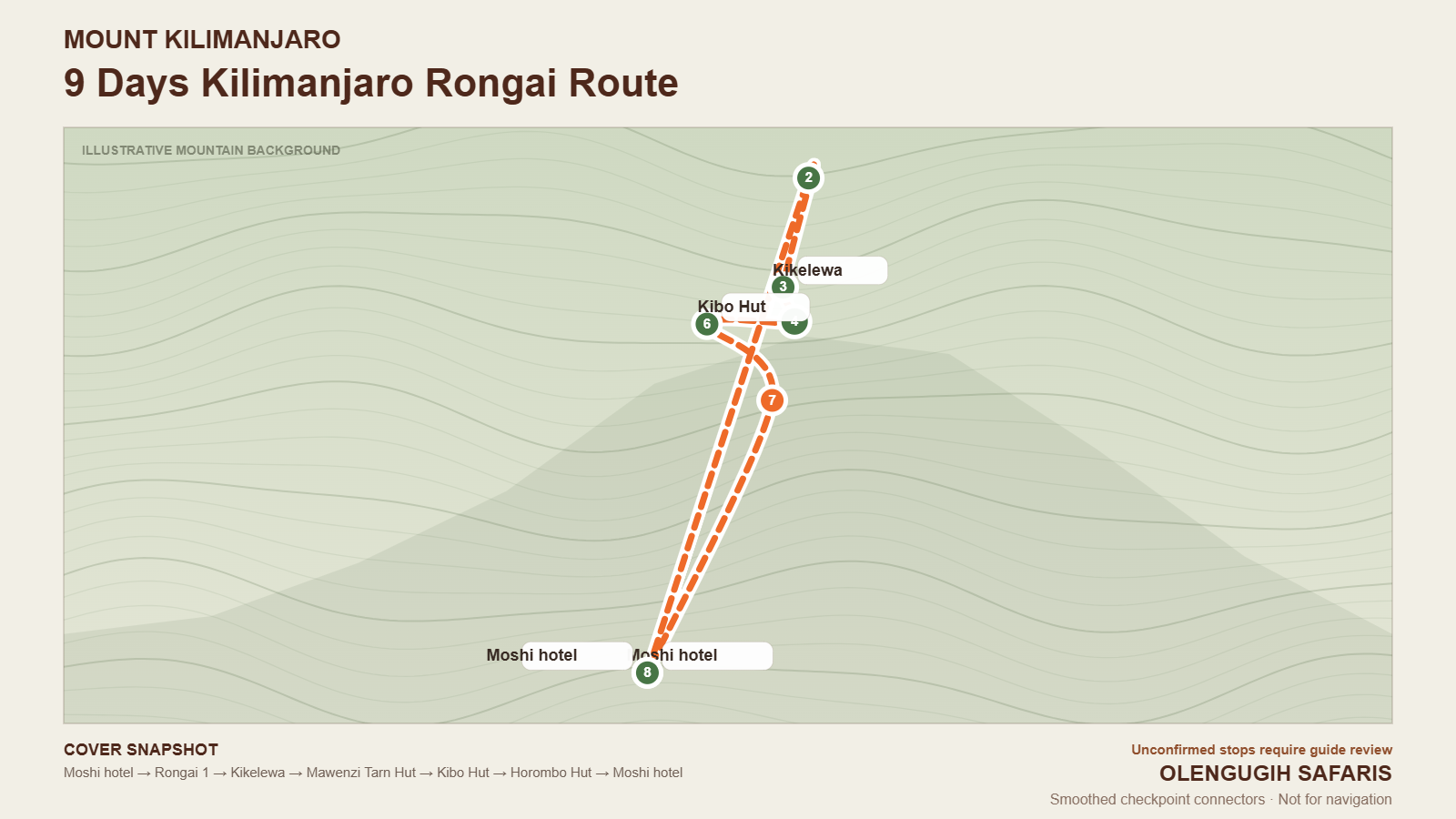
Rongai begins on the northern side of the mountain and provides a different perspective from the more frequented southern approaches. Climbers may encounter quieter open country, views toward Mawenzi and camp sequences that depend on the particular variation. Some itineraries descend by another route; check the confirmed map and transport arrangements.
Northern Circuit Route
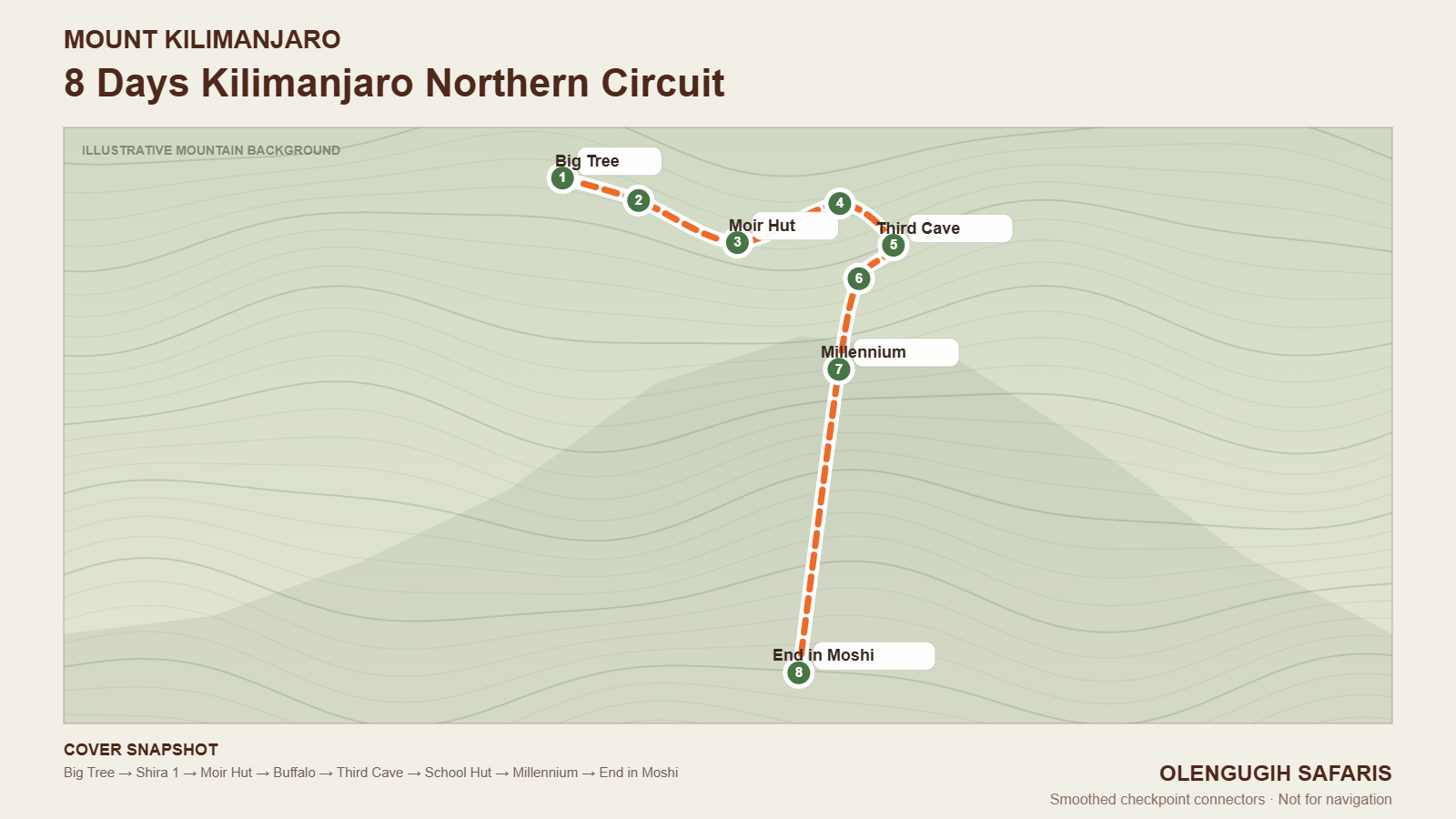
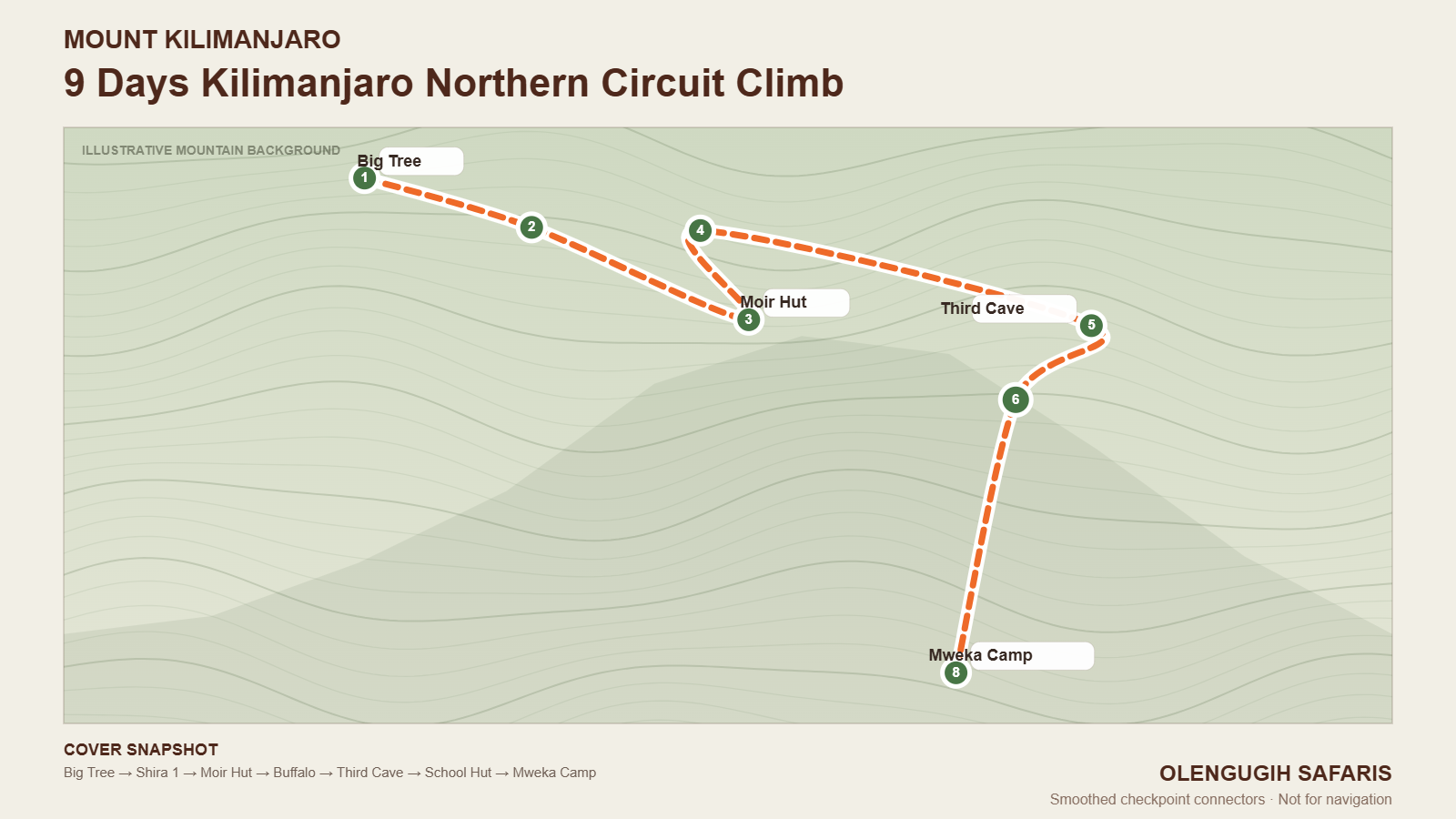
The Northern Circuit is known for a longer journey that moves around the quieter northern slopes. The extra trekking days can create more opportunities for gradual altitude adjustment, but they also require time, stamina and careful logistical planning. Inclusions and the distinction between total tour days and mountain trekking days must be verified.
Shira Route
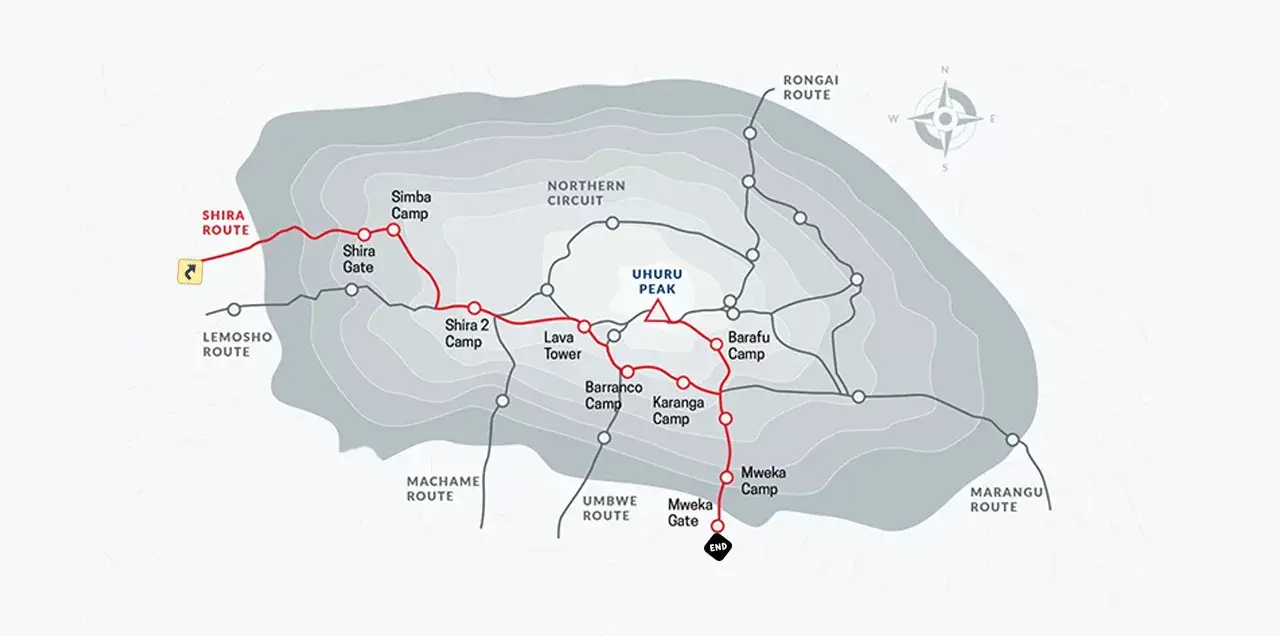
Shira approaches from the western highlands and often starts at greater elevation than routes that begin in lower forest. Early altitude exposure deserves special attention. This approach can connect to other high mountain trails, so camp names, ascent profile and intended summit date should be reviewed in the full itinerary.
Five Ecological Zones on a Kilimanjaro Trek
The trek commonly moves through lower slopes and montane forest, heath and moorland, alpine desert and a summit environment. Dense vegetation gives way to open tussock grasses, giant groundsels and lobelias, then sparse rock and high altitude conditions. Forest sections can support colobus and blue monkeys, while open upper terrain offers expansive volcanic views. Wildlife observations remain incidental and cannot be promised.
Altitude, Acclimatization and Summit Day
Kilimanjaro is often described as a walk up mountain because ordinary trekking routes do not generally require advanced rope climbing to reach Uhuru Peak. That description should not obscure the seriousness of extreme altitude, cold, fatigue and a long summit attempt. Fitness is helpful, but it does not guarantee acclimatization. A well paced itinerary, symptom awareness, suitable clothing and prompt decisions by the expedition team are essential.
Summit attempts commonly begin during the night or early morning. The route may include steep loose ground, freezing wind and slow progress above 5,000 metres. A responsible itinerary should identify its highest sleeping points, intended acclimatization schedule, retreat options and emergency procedures without promising an assured summit.
Best Time to Climb Kilimanjaro
Many travellers favour the comparatively drier conditions often associated with January to early March and June through October. However, rain and snow can occur outside and within those periods, and seasonal patterns vary. Dates should be chosen together with route conditions, park requirements, transport availability and the time you need for acclimatization.
Accommodation and Expedition Planning
- Confirm whether your selected route uses mountain huts or tents and whether accommodation before and after the climb is included.
- Choose the route based on acclimatization profile, scenery, daily walking effort and available days, not only its popularity.
- Prepare warm summit layers, waterproof clothing, supportive boots, gloves, headwear, sun protection and a headlamp.
- Ask for a precise breakdown of licensed guide services, porter arrangements, park fees, meals, water, group size and emergency planning.
- Discuss any medical concerns or altitude history with a suitable health professional before travel.
- Respect TANAPA regulations, designated trails, waste management and the welfare of mountain support teams.
Choosing a Kilimanjaro Package with Olengugih Safaris
A five or six day Marangu trip, a longer Machame or Lemosho climb, and a Northern Circuit expedition are not interchangeable products. The number of climbing days, hours at altitude, scenery, overnight arrangements and summit approach can vary substantially. Compare the published expedition itinerary on this website and ask for confirmed logistics before paying a deposit.
Frequently Asked Questions
How high is Mount Kilimanjaro?
Uhuru Peak on Kibo reaches 5,895 metres above sea level, making Kilimanjaro Africa’s highest mountain.
Do I need technical mountaineering skills for Uhuru Peak?
Most standard trekking routes to Uhuru Peak do not require technical rock climbing. The altitude, weather and endurance demands remain significant.
Which Kilimanjaro route uses huts?
Marangu is known for its mountain hut accommodation on the established trekking route. Confirm the exact overnight arrangements for your package.
Is a longer Kilimanjaro climb automatically safer?
Additional days may improve opportunities for acclimatization, but no schedule eliminates altitude risk. Route profile, health, conditions and professional decisions also matter.
Can I see Mount Meru during a Kilimanjaro climb?
Mount Meru can be visible from some Kilimanjaro routes and viewpoints in clear weather. Visibility depends on clouds and the particular trail.
Official Park and Conservation Information
For current visitor rules, authorised activities, permits and conservation information, consult Tanzania National Parks. UNESCO also explains the natural values of Kilimanjaro National Park.