


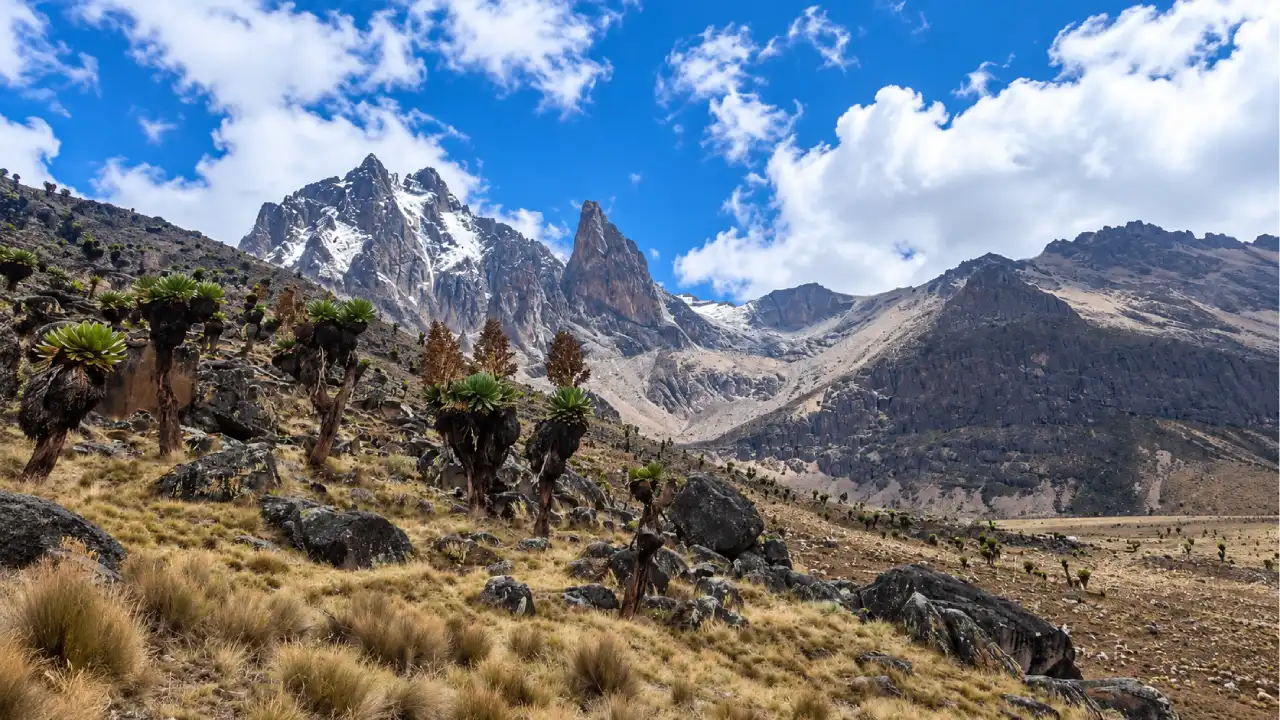
Best Time to Climb Mount Kenya: Month-by-Month Guide
The best time to climb Mount Kenya is during the dry seasons. These run from January to March and from July to October.
The very best months are January, February, August and September. Skies are clearer, trails are firmer and summit weather is more stable.
You can climb in the rainy months too. But trails are wet, mornings are misty and the cold bites harder. Most climbers prefer the dry seasons.
Last updated October 2026. Mountain weather changes fast, so always allow some flexibility.
This guide shows the weather, routes and risks by month. Use it to pick your dates.
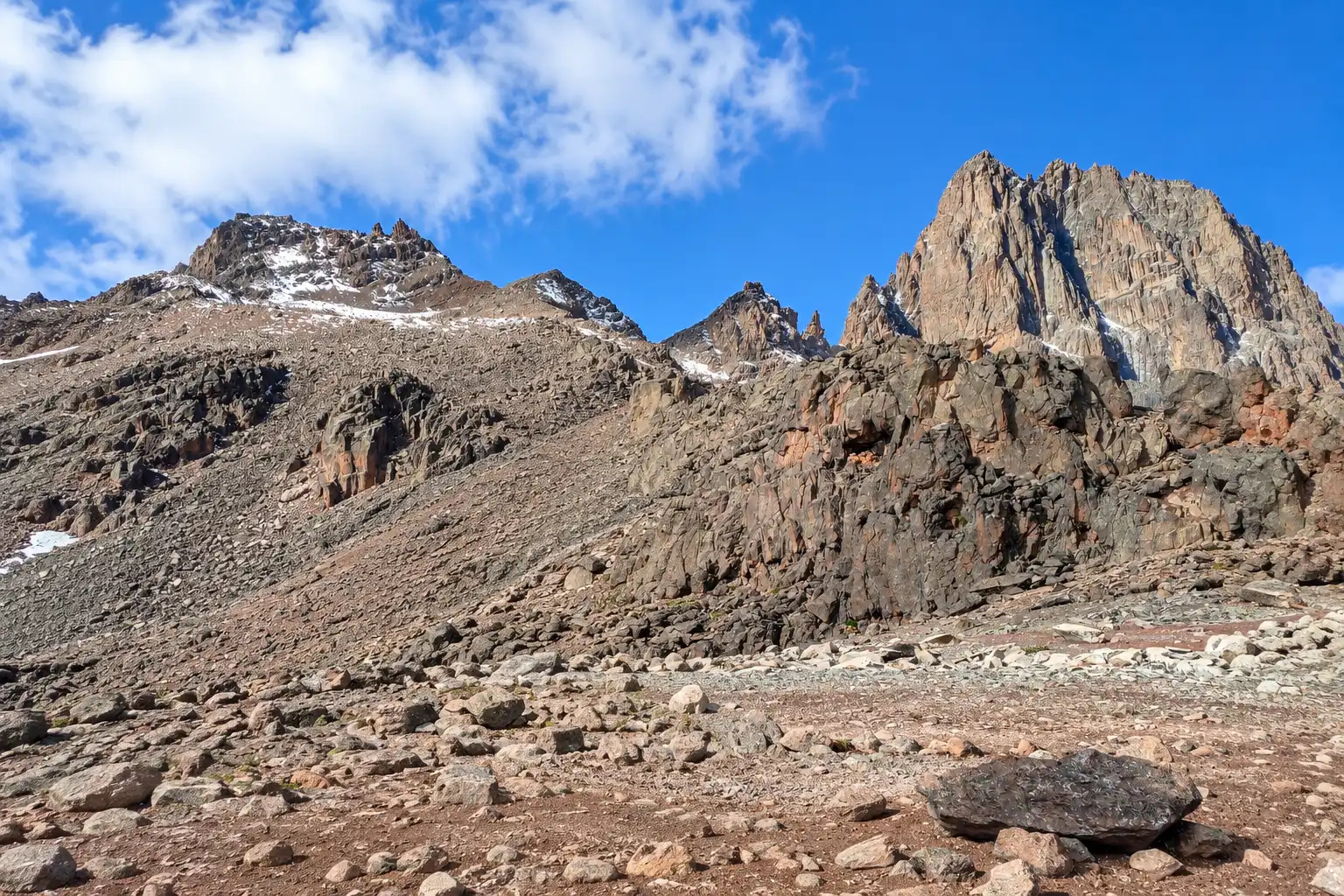
Best time to climb Mount Kenya at a glance
Question | Answer |
|---|---|
Best months | January to February and August to September |
Good months | March, July and October |
Wettest months | April to June (long rains) and November to December (short rains) |
Driest, clearest views | January to February and August to September |
Coldest months | July to August at altitude |
Busiest months | January, February, July to September and late December |
Lowest prices | April to May and November |
Best for first-timers | January, February or September |
Climb length | Usually four to five days to Point Lenana |
Summit | Point Lenana, 4,985 metres |
Month-by-month guide to climbing Mount Kenya
Month | Season | Conditions on the mountain | Rating |
|---|---|---|---|
January | Dry | Clear, firm trails and good views | Excellent |
February | Dry | Dry, sunny and busy | Excellent |
March | Dry, then rains | Mostly good, with showers late in the month | Good |
April | Long rains | Wet, muddy and often cloudy | Poor |
May | Long rains | Heavy rain, slippery trails and few climbers | Poor |
June | Rains end | Still wet early, clearing later | Fair |
July | Dry | Cold, dry and clear | Very good |
August | Dry | Cold, clear and busy, with flowers in bloom | Excellent |
September | Dry | Dry, clear and slightly quieter | Excellent |
October | Dry, then rains | Good early, with short rains returning | Good |
November | Short rains | Showers, mist and lush forest | Fair |
December | Short rains end | Drier late in the month, but busy at Christmas | Fair |
Ratings are a guide. Mountain weather can change within hours, at any time of year.
Dry season or rainy season: which is better?
Dry season (Jan to Mar, Jul to Oct)
- Trails: Firm and easier
- Views: Clear mornings and sharp peaks
- Temperatures: Cold nights, bright days
- Summit chances: Higher
- Crowds: Busier
- Price: Higher
- Best for: Most climbers, first-timers
Rainy season (Apr to Jun, Nov to Dec)
- Trails: Muddy and slippery
- Views: Mist and cloud
- Temperatures: Wet, damp cold
- Summit chances: Lower
- Crowds: Quieter
- Price: Often lower
- Best for: Experienced climbers, birders, budget travellers
The dry months give you the best chance of a safe summit. The rainy months suit flexible, experienced trekkers.
Rain falls at altitude in every month. Even in the dry season, expect cold, wind and the odd shower.
Mount Kenya weather and temperatures by altitude
Mount Kenya has several climate zones in one climb. It can feel like four seasons in a day.
Zone | Approx. altitude | What to expect |
|---|---|---|
Farmland and forest | 1,800 to 3,000 metres | Mild days, damp forest, cool nights |
Moorland | 3,000 to 4,000 metres | Cool days, cold nights, strong sun |
High camps | 4,000 to 4,500 metres | Freezing nights and thin air |
Summit area | Above 4,500 metres | Very cold, windy, with possible ice |
Temperatures fall about 6°C for every 1,000 metres you climb. Nights above 4,000 metres often drop below freezing. This is true in the dry season too.
Summit day
Most climbers start in the early hours, around 2:00 to 3:00 am. They aim to reach Point Lenana at sunrise. Wind chill can make it feel much colder.
The best summit weather is a dry, clear morning. Cloud often builds later in the day. An early start gives you the clearest views.
Best time to climb Mount Kenya by goal
If you want... | Go in | Why |
|---|---|---|
The best chance of a clear summit | January, February or September | Dry, stable weather |
Point Lenana as a first mountain | January, February or September | Firmer trails and easier conditions |
Fewer crowds | Early September or October | Dry but quieter |
Lower prices | April, May or November | Off-peak rates, with wetter weather |
Flowers and wildlife | August to September | Giant lobelias and groundsels bloom |
Photography | Early morning, January or August | Clear light and sharp peaks |
Technical climbing to Batian | January to February | Driest rock, with experienced guides |
Birdwatching | October to April | Migratory birds are in Kenya |
Point Lenana
Point Lenana is a trek, not a technical climb. Dry months make it easier, but rain does not stop it. Check conditions with your guide.
Batian and Nelion
Batian and Nelion need ropes and rock-climbing skills. Choose the driest months and a specialist guide. Ice and snow can make it much harder.
Best time to climb Mount Kenya by route
Route | Best months | Notes |
|---|---|---|
All year, best in dry months | Gentle and the easiest to access | |
Dry months only | Steep and muddy in the rain | |
January to March and July to October | Scenic but harder in wet weather | |
Burguret | Dry months, for experienced climbers | Quiet and wild |
Sirimon-Chogoria traverse | Dry months | Longer, with the best scenery |
Naro Moru is the fastest route. The steep, boggy sections make it hard in the rainy season. Chogoria's lower sections can also turn muddy.
Sirimon is the safest choice if you are unsure of the weather. It copes better with wet conditions than the other routes.
Moon, sunrise and time of day tips
Climb near a full moon
A full moon lights the summit trail. Many climbers plan the summit push for the days around a full moon. Check the moon calendar before you book.
Time of day
- Start early. Summit day begins around 2:00 to 3:00 am.
- Reach the top at sunrise. The air is calm and the views are clearest.
- Descend before midday. Cloud and wind often build later.
- Plan afternoon rest. The body needs time to recover after summit day.
Sunrise at Point Lenana
On a clear morning, you see the sun rise over the plains. Mount Kenya's other peaks glow in gold light. It is the reward for the cold, early start.
What to pack by season
- Dry season: Warm layers, a windproof jacket, hat, gloves, sunscreen and sunglasses
- Rainy season: Waterproof jacket and trousers, gaiters, spare socks and a dry bag
- All year: Sturdy boots, a warm sleeping bag, trekking poles, headlamp and water bottle
- Summit day: Thermal base layers, down jacket, warm gloves, buff and extra batteries
Layers matter more than one heavy coat. Pack for freezing nights even in the dry season.
You can hire most gear in Nanyuki or Naro Moru. Ask your operator what is included.
When to book your Mount Kenya climb
Book early for the busy months. Guides, porters and huts fill up.
Travel dates | Book ahead by |
|---|---|
January and February | 3 to 4 months |
July to September | 4 to 6 months |
Late December | 4 to 6 months |
March, October and November | 1 to 3 months |
April to June | 1 to 2 months |
These are rough guides. Last-minute spaces are sometimes available, but your choice of dates will be limited.
Risks and safety on Mount Kenya
Altitude sickness
Point Lenana is nearly 5,000 metres high. Altitude sickness can affect anyone, however fit. Climb slowly, drink water and tell your guide about headaches or dizziness.
Allow at least four days. An extra acclimatisation day raises your chances of reaching the summit.
Cold and weather
Freezing nights and sudden storms are normal. Pack layers and waterproofs. Your guide may change plans if the weather turns.
Rain and mud
Wet trails are slippery. Boots with good grip and trekking poles help. Naro Moru and Chogoria are harder in the rain.
Insurance
Take travel insurance that covers trekking to 5,000 metres and evacuation.
Frequently asked questions
What is the best time to climb Mount Kenya?
The best time to climb Mount Kenya is January, February, August and September. These months are dry and clear.
Can you climb Mount Kenya in the rainy season?
Yes, but it is harder. Trails are muddy and the summit is often hidden in cloud. April, May and November are the wettest.
What is the coldest month on Mount Kenya?
Nights are freezing all year. July and August can feel coldest at altitude, though skies are usually clear.
How many days do you need to climb Mount Kenya?
Plan four to six days. Longer trips allow better acclimatisation and a higher chance of reaching Point Lenana.
Is Mount Kenya harder than Kilimanjaro?
Point Lenana is lower than Kilimanjaro's summit. The trails are steeper and less crowded, so the climb can feel tougher.
Do I need a guide to climb Mount Kenya?
Yes. Park rules require climbers to be accompanied by a registered guide. Porters and a cook are also common.
What is the best month for a first-time climber?
February and September suit most first-timers. Trails are drier and the weather is steadier.
When is the best time to see the sunrise from Point Lenana?
Dry months give the clearest sunrises. Start climbing around 2:00 to 3:00 am to arrive before dawn.
Is Mount Kenya busy in July and August?
These months are popular. Book early for huts and guides.
How high is Mount Kenya?
Batian, the highest peak, is 5,199 metres. Point Lenana, the trekking summit, is 4,985 metres.
Which route is best in the dry season?
Sirimon and Chogoria are popular in the dry months. Both offer fine scenery and steady gradients.
Do I need to be very fit to climb Mount Kenya?
You need good general fitness. Hill walking in the weeks before your trip helps a lot.
Plan your Mount Kenya climb with Olengugih Safaris
Olengugih Safaris is a Kenya-based operator. We can help you pick dates, choose a route and prepare for the summit. Contact us with your preferred month and we will suggest a plan.
Guests can read reviews from other travellers on GetYourGuide, SafariBookings and Tripadvisor.
Sources
- Wikipedia, Mount Kenya
- Encyclopaedia Britannica, Mount Kenya
- Kenya Wildlife Service, Mount Kenya National Park
Last updated: October 2026.