Expedition Overview
Six Days on Mount Kenya: Chogoria to Naro Moru
Discover Mount Kenya from two remarkably different sides on this six-day Chogoria to Naro Moru trekking journey. Beginning with a road transfer from Nairobi, the route approaches the mountain through the greener eastern highlands and climbs toward the alpine landscapes around Mintos. An early Point Lenana summit attempt is followed by a descent through the western Naro Moru corridor, giving walkers a contrasting view of the mountain in a single crossing.
Why choose the Chogoria to Naro Moru traverse?
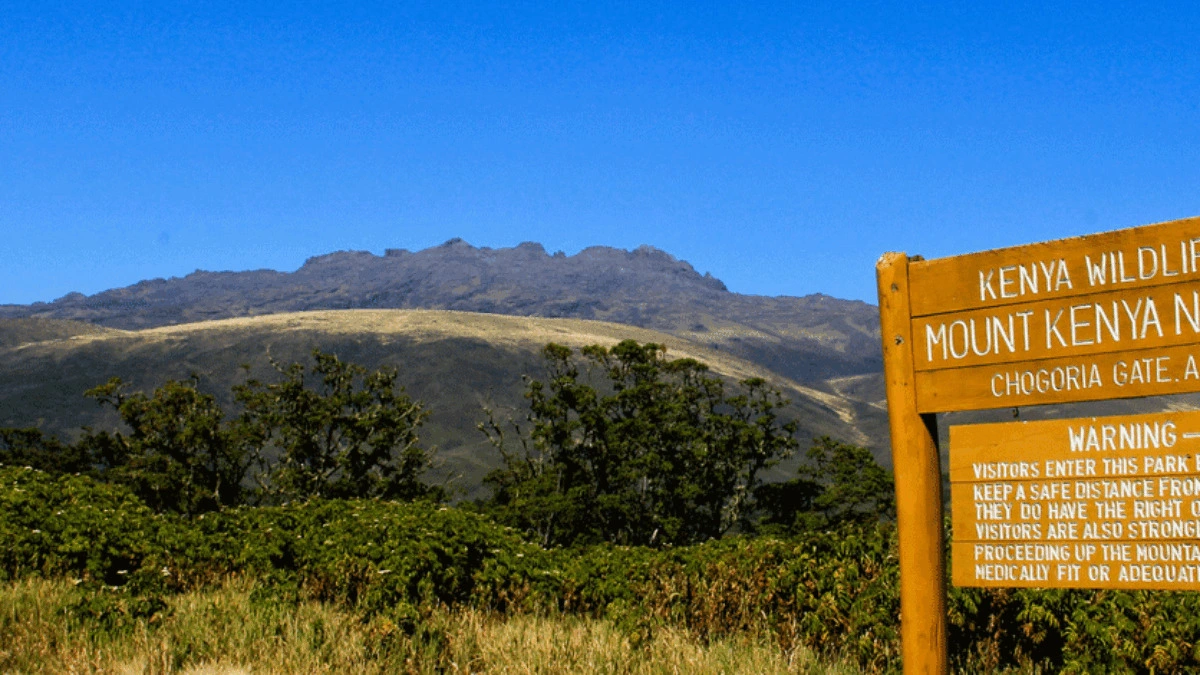
The Chogoria approach is valued for bamboo forest, open moorland and sweeping views towards the eastern gorges. As the path rises, the scenery becomes increasingly rugged and the prominent peaks of Batian and Nelion dominate the horizon. The descent introduces the Teleki Valley region, Mackinder's Camp and the famously wet and uneven Vertical Bog. Travelling up one side and down another makes this a particularly varied Mount Kenya trekking experience.
Summit objective and difficulty
The planned trekking summit is Point Lenana, approximately 4,985 metres. It is distinct from Batian and Nelion, which are technical mountaineering objectives. A pre-dawn ascent may involve cold temperatures, wind, loose rock and poor visibility. Summit access depends on weather, the condition of the trail and each climber's response to altitude. Good hiking fitness helps, but it cannot eliminate altitude illness.
Overnight plan
The source-based sequence includes a first night in Chogoria town, followed by the Mount Kenya Bandas area, Mintos Camp, Mackinder's Camp and the Met Station area. The exact hotel, hut, tent or lodge allocation is subject to availability and the operator's confirmed itinerary. This is a private, customizable expedition rather than a scheduled group departure.
Preparation and booking notes
Prepare with sustained uphill hikes, boots that are already comfortable on rough ground, waterproof outerwear, thermal layers and a suitable sleeping bag. The two longest climbing stages are the gain to Mintos and the summit-and-descent day, so guests should discuss pacing, altitude history, guide support and emergency descent procedures before booking. The final quotation will confirm park entry arrangements, transport, mountain staff, meals, drinking water and the precise sleeping arrangements. The stated schedule is a planning itinerary, not a guarantee of summit success.
Mount Kenya trekking questions
Does this expedition reach Mount Kenya's highest peak? No. The hiking target is Point Lenana, while Batian is the mountain's highest peak and requires technical climbing.
Where does the journey finish? The walking route exits via Naro Moru Gate, followed by the arranged road transfer to Nairobi.
Is Chogoria to Naro Moru suitable for first-time trekkers? Well-prepared first-time high-altitude trekkers may consider it, but they must be comfortable with long walking days, cold high camps and significant changes in elevation.
Climbing Itinerary
Nairobi to Chogoria: Arrival at the Eastern Mountain Base
Your Mount Kenya adventure begins with an arranged departure from Nairobi, travelling north and east through the changing agricultural landscapes of central Kenya. The drive provides a first glimpse of the highlands before reaching Chogoria town, the gateway to the mountain's eastern trails. Check in to the agreed base accommodation and meet the mountain coordinator to discuss the route, equipment, expected conditions and the walking plan for the following days.
Depending on arrival time and energy levels, a relaxed walk around Chogoria can help loosen up after the journey. It should not be treated as meaningful high-altitude acclimatization because the main height gain begins later. Use the afternoon to organize your daypack, confirm layers and rain protection, and ask about water, porter luggage arrangements and the planned vehicle departure. Dinner and overnight are in Chogoria, with the exact hotel and meal plan confirmed on booking.
Chogoria to Mount Kenya Bandas: Bamboo Forest Approach
After breakfast, travel by suitable mountain-access vehicle toward the Chogoria forest approach. When the road and park conditions permit, the vehicle reaches a walking start near the bamboo belt; the guide then leads the group uphill through cool, sheltered forest. Listen for bird calls and notice the shift from cultivated foothills to bamboo stands and montane vegetation as the mountain becomes more remote.
The reference route describes approximately 10 km of walking toward the Bandas area, although the actual distance depends on the agreed drop-off point and road access. Stop for lunch and take breaks at a comfortable pace rather than racing for camp. At Mount Kenya Bandas, settle into the confirmed huts or camp accommodation and enjoy time to explore the immediate surroundings safely. The guide will review the next day's larger altitude gain and remind everyone to report headaches, nausea or unusual fatigue promptly.
Mount Kenya Bandas to Mintos: Across the Eastern Moorland
The trail leaves the more sheltered lower mountain and steadily enters open heath and high moorland. With every stage, trees give way to tussock grass, alpine shrubs and exposed rock, while the central peaks seem much closer. Follow the guide's selected path toward Mintos, taking planned breaks to drink, eat and adjust clothing as the temperature changes. This is an important day for altitude management because the sleeping elevation is substantially higher than at the Bandas.
The source describes a walk of approximately 15 km, with lunch taken along the route and an overnight stay at Mintos Camp. Clear weather may reveal distant ridges and the dramatic eastern side of Mount Kenya, but cloud and rain can obscure the views at short notice. After arriving, organize warm clothing and headlamps for the early start ahead. Eat a full evening meal, discuss any altitude symptoms with the guide and prepare to sleep in colder conditions than the previous night.
Mintos to Point Lenana, then Mackinder’s Camp via the Western Side
Summit morning begins well before dawn. Following the guide's weather and health assessment, set out with headlamps over steep, rocky terrain toward Point Lenana, the highest trekking objective on the standard Mount Kenya routes at approximately 4,985 metres. Progress may be slow in thin air, and the final approach can be bitterly cold. If conditions and timing align, the morning light reveals the rugged silhouettes of Batian, Nelion and the high glacial valleys.
After a short, weather-dependent stop near the summit, descend carefully through the upper mountain, following the agreed line toward the Austrian Hut area and Mackinder's Camp. Trekking down loose or frozen ground requires as much attention as the ascent. The landscape opens into the Teleki Valley region on the western side, completing the central crossing of the mountain. Take time to rest, eat and recover at camp while the guide monitors the team after the long summit effort. Reaching Point Lenana is always optional when conditions or health indicate a safer turnaround.
Mackinder’s Camp to Met Station: The Vertical Bog Descent
After breakfast, continue down the western Naro Moru approach. The rocky high mountain gradually gives way to wetter moorland and the distinctive Vertical Bog, a section where saturated ground, slippery tussocks and uneven footing can slow progress considerably. Your guide will choose the safest available line according to recent rainfall and visibility, and trekking poles may be particularly helpful for balance and protecting the knees.
As altitude decreases, the air becomes noticeably warmer and the vegetation begins to thicken. Pause at suitable viewpoints for a final look back toward the high peaks and Teleki Valley before arriving at the Met Station area. The afternoon provides a chance to clean and dry equipment, recover from summit day and enjoy a more sheltered night. Accommodation is at the Met Station lodge or another confirmed facility; exact sleeping and meal arrangements must be specified before departure.
Met Station to Naro Moru Gate and Return to Nairobi
On the final day, descend through the lower slopes of Mount Kenya toward Naro Moru Gate. The trail passes from moorland into forest habitat and offers a gentler finish after several days at elevation, though wet pathways and tired legs still call for careful footing. The reference plan indicates roughly 10 km of walking before reaching the park exit; actual distances may vary with the chosen accommodation and trail conditions.
Complete the park exit procedures and meet the prearranged vehicle for the road journey back to Nairobi. Depending on departure time, road traffic and individual travel plans, a refreshment or lunch stop may be possible en route. Arrival in Nairobi marks the end of the six-day eastern-to-western Mount Kenya traverse. Any onward airport transfer, extra hotel night or later activity should be checked against your personal quotation rather than assumed to be included automatically.
Inclusions
- Scheduled Nairobi-to-Chogoria transfer and Naro Moru-to-Nairobi return transport
- Private mountain trek arrangements and transfers to the agreed trail access point
- Five overnight stays following the confirmed Chogoria, Bandas, Mintos, Mackinder’s and Met Station itinerary
- Trekking meals on the mountain on a full-board basis, as specified in the final quotation
- English-speaking professional mountain guide
- Trekking porter support and mountain cook
- Mount Kenya park entrance fees and applicable government taxes, subject to final quotation confirmation
- Treated drinking water during trekking days
- Guide-led Point Lenana summit attempt when weather and personal safety permit
Exclusions
- International and domestic flights
- Kenya entry visa or electronic travel authorization, where applicable
- Nairobi hotel nights before or after the six-day expedition
- Personal sleeping bag and individually hired climbing or trekking equipment
- Laundry, alcoholic beverages and additional drinks not listed as included
- Personal clothing, toiletries, snacks and other private purchases
- Travel, medical, evacuation and personal accident insurance
- Tips or gratuities for guides, porters, drivers and camp staff
- Optional activities, additional transfers and services not expressly included in the confirmed quotation
Climbing Experience Reviews
Read feedback shared about this climbing trip or leave your own experience. Reviews are checked by our team before publication. Submitting a review does not guarantee it will be published.
No published reviews for this climbing package yet. Share your experience using the form below.
Write a Review
Tell other climbers how your trip went. Your email stays private. Reviews must be about a genuine experience, without links or promotions.