About This Climbing Route
Sirimon Route on Mount Kenya
Sirimon approaches Mount Kenya from the drier northwestern side and is among the best-known trails for trekkers aiming for Point Lenana. It is also suitable for shorter scenic hikes that turn around below the summit. Rather than a single fixed itinerary, Sirimon offers several ways to experience the moorlands, high valleys and steep rocky slopes beneath Batian and Nelion.
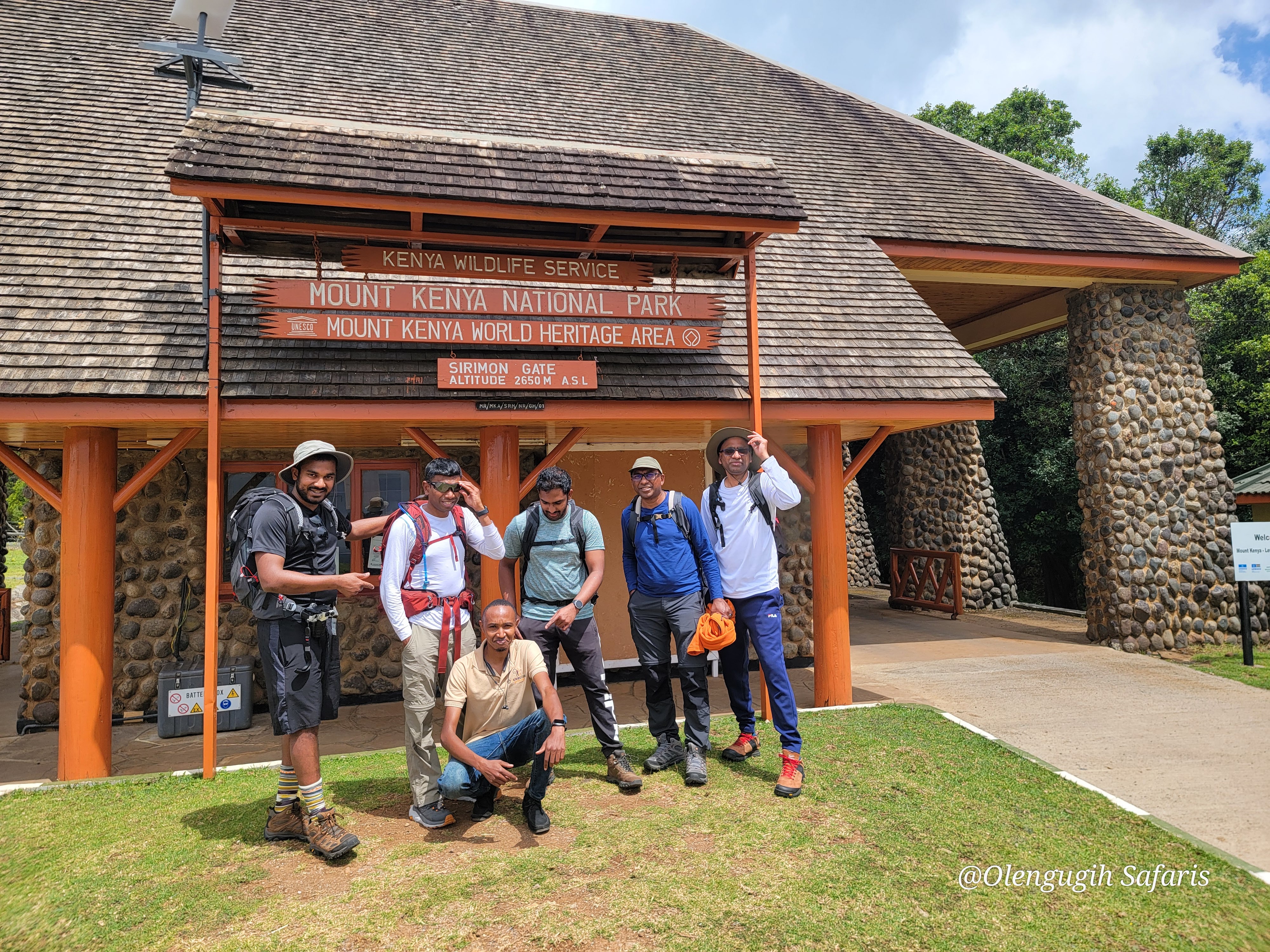
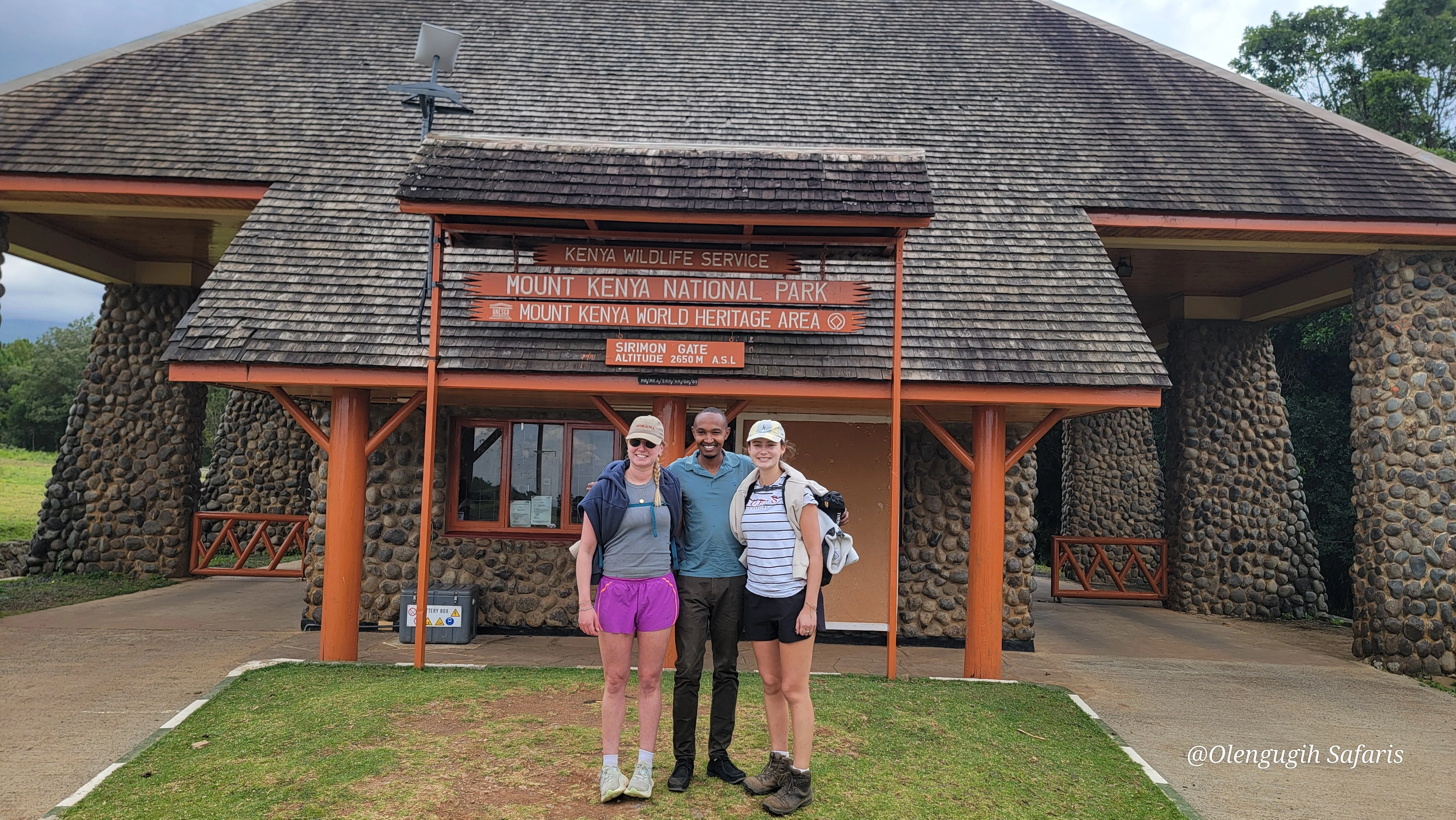
Sirimon Gate and the lower mountain
The journey commonly begins near Nanyuki with a transfer to Sirimon Gate. After park formalities, the track rises through montane woodland and increasingly open vegetation toward Old Moses, also called Judmaier Camp. A short day hike can focus on this lower section without attempting the summit. Wildlife sightings are possible but never assured, and walkers must remain mindful of park rules.
Old Moses to the upper valleys
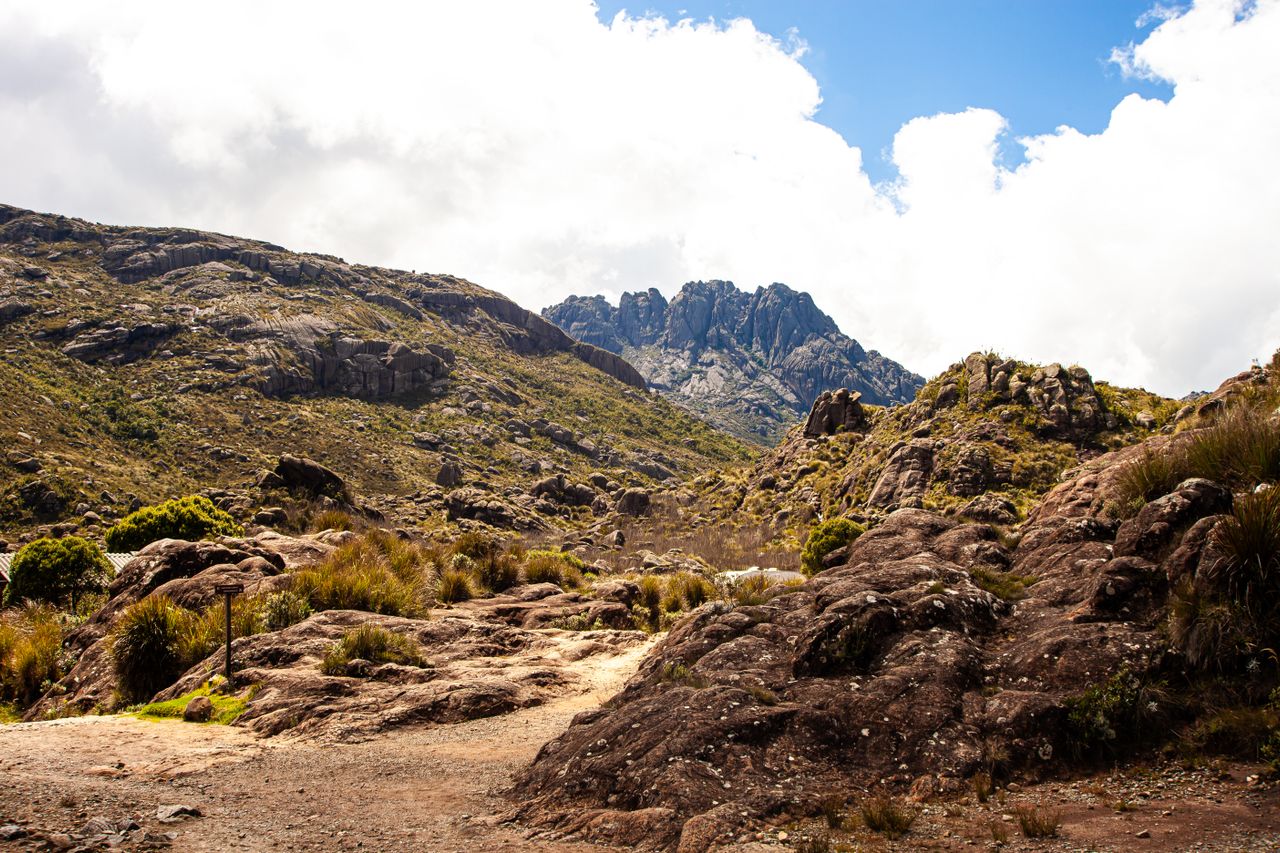
Longer expeditions continue through heath and moorland, passing streams and broad views of the central massif. Routes through Mackinder Valley lead toward Shipton's Camp below the dramatic northern faces of the higher peaks. The climb is sustained even where the trail looks gentle, and the colder air becomes more noticeable as the camp rises above the lower vegetation zones.
Point Lenana and route variations
A summit programme generally makes an early start from a suitably placed high camp for Point Lenana, approximately 4,984 metres. Darkness, altitude, wind and loose rock make the final stretch serious. Some trips return down Sirimon, while others descend by Chogoria or Naro Moru. Batian and Nelion are separate technical mountaineering goals and must not be described as ordinary trekking summits.
Who Should Choose This Route?
Sirimon suits hikers who want an established northern approach, broad highland scenery and the option of including more time for gradual height gain. It may appeal to first-time Mount Kenya trekkers who already have reasonable hiking fitness, but no ascent above 4,000 metres should be treated as easy. The better itinerary depends on pace and acclimatization, not just the shortest advertised number of days.
Preparation, Altitude and Safety
Discuss your history of altitude problems, any medical concerns and the planned emergency response with the climbing team. Drink regularly, pace yourself, keep warm layers accessible and report headaches or unusual symptoms promptly. A summit attempt should be abandoned when conditions or symptoms make it unsafe. A local mountain guide, weather check, appropriate park access and an agreed descent plan are essential.
When to Go and What to Confirm
Relatively drier spells often fall between January and February and between June and September, but Mount Kenya can experience rain, fog, frost and wind in any month. Confirm trail and camp conditions shortly before departure. Sleeping arrangements at Old Moses or Shipton's vary by booked expedition; accommodation and equipment must be specified on the quotation.
Frequently Asked Questions
Where does the Sirimon Route start?
Sirimon Gate on the northwestern side of Mount Kenya, commonly reached through Nanyuki.
Can Sirimon be a one-day hike?
Yes. The lower route can be explored as a day hike, but this is not the same as summiting Point Lenana.
Is Sirimon a technical climbing route?
The normal Point Lenana trek is high-altitude walking with rocky sections. Batian and Nelion require technical mountaineering expertise.
This route guide is general planning information. Refer to the linked expedition packages for the actual day-by-day schedule. Exact camp arrangements, park requirements, fees, equipment and services must be confirmed in an Olengugih Safaris quotation before travel.