

What to Pack for a Mount Kenya Trek
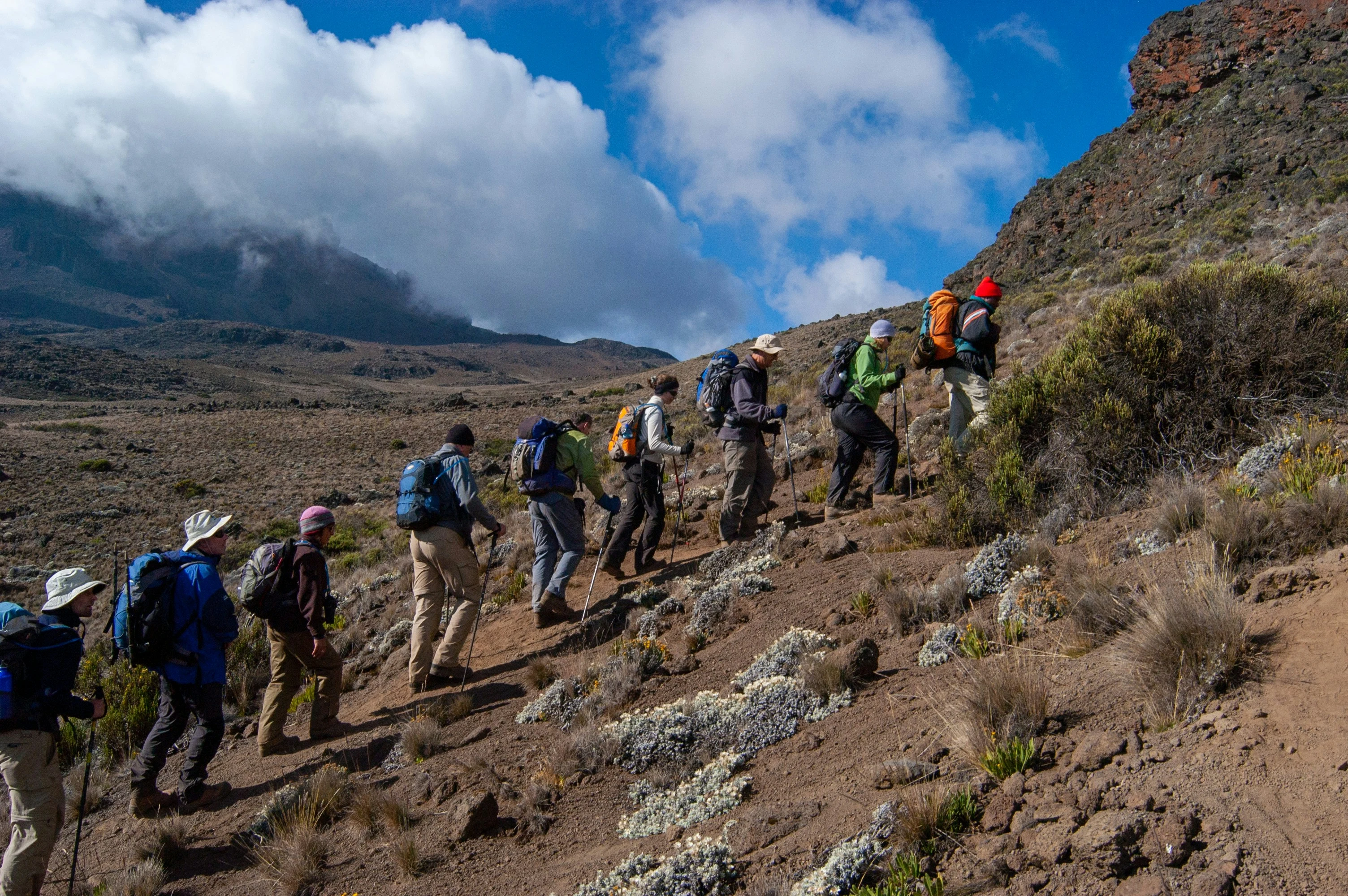
Your Mount Kenya packing list should cover warm layers, waterproofs, broken-in boots, a sleeping bag and a headlamp. Nights above 4,000 m are freezing, even on the equator. Pack light, because porters carry your main bag.
Last updated: 17 November 2026
Mount Kenya packing list at a glance
- Layers: base layer, fleece, insulated jacket and a waterproof shell.
- Feet: waterproof hiking boots and thermal socks.
- Hands and head: insulated gloves, a warm hat and a sun hat.
- Sleep: a warm sleeping bag rated to -10°C.
- Light: a headlamp with spare batteries for the 2:00am summit start.
- Health: sunscreen, lip balm, a first-aid kit and any personal medication.
- Water: at least 2 litres of carrying capacity.
- Bag weight: keep your main duffel under 15 kg for porters.
- Summit: Point Lenana, 4,985 m. Expect temperatures below zero.
Mount Kenya packing list: clothing
Layering keeps you warm on the climb and cool on the lower slopes. Avoid cotton. It stays wet and cold.
Item | Quantity | Why you need it |
|---|---|---|
Moisture-wicking base layer, top | 2 | Keeps sweat off your skin |
Thermal base layer, leggings | 1 to 2 | Warmth for cold nights and summit day |
Fleece or mid layer | 1 to 2 | Main insulation at camp |
Insulated down or synthetic jacket | 1 | Essential for the summit climb |
Waterproof jacket and trousers | 1 set | Rain and wind protection |
Hiking trousers | 2 | Comfortable for the lower slopes |
Hiking socks, wool or synthetic | 3 to 4 pairs | Prevent blisters |
Thermal or liner socks | 1 to 2 pairs | Extra warmth at altitude |
Insulated gloves with liners | 1 pair | Fingers freeze before sunrise |
Warm hat or beanie | 1 | Heat loss through your head |
Sun hat or cap | 1 | Strong sun at altitude |
Neck gaiter or buff | 1 | Wind and dust protection |
Boots matter most
Wear waterproof hiking boots with ankle support. Break them in for several weeks before the trek. New boots cause blisters. Light trail shoes or sandals help you rest your feet at camp.
Gear, sleeping, water and health checklist
Gear
- Headlamp with spare batteries
- Trekking poles, which save your knees on the descent
- Sunglasses with UV protection
- A daypack of 20 to 30 litres for water, snacks and layers
- A waterproof duffel or dry bags for your main kit
- A small padlock for your bag
- Camera or phone with a power bank
Sleeping
- A warm sleeping bag rated to -10°C
- A sleeping bag liner for extra warmth
- A small pillow or a stuff sack filled with clothes
- Earplugs for shared huts
Water and snacks
- A water bottle or bladder holding at least 2 litres
- Water purification tablets or a filter
- Energy bars, nuts and dried fruit
- Electrolyte sachets for long days
Health and toiletries
- High-factor sunscreen and SPF lip balm
- A first-aid kit with plasters, blister tape and pain relief
- Personal medication, plus altitude medication if your doctor advises it
- Hand sanitiser, wet wipes and toilet paper
- Quick-dry towel and a small toiletry kit
Documents and money
- Passport and visa or eTA
- Travel insurance that covers trekking up to 5,000 m
- Cash in Kenyan shillings for tips
Your guide will tell you which items are provided. Tents, mattresses and cooking gear are usually supplied on a guided climb.
What to pack by season, and what to leave at home
Dry months: January to February, July to September
Days are sunny and nights are cold. Pack strong sun protection and a warm sleeping bag. A light rain shell is still wise.
Wet months: March to May, October to November
Rain, mud and cloud are common. Pack a sturdy waterproof jacket and trousers. Add gaiters, spare socks and dry bags. Keep your sleeping bag in a waterproof liner.
Leave these at home
- Cotton clothing, which stays wet and cold
- Heavy books, spare gadgets and extra shoes
- Jewellery and valuables
- Single-use plastic bottles
- Anything over the 15 kg porter limit
Pack your daypack for summit day
You carry your daypack yourself. Pack water, snacks, your insulated jacket, gloves, a hat, a headlamp, sunscreen and your camera. Keep your waterproof layer on top.
Frequently asked questions
What should I pack for a Mount Kenya trek?
Pack warm layers, waterproofs, broken-in boots, a sleeping bag, a headlamp and sun protection. Add a daypack, water, snacks and a first-aid kit.
How cold does it get on Mount Kenya?
Nights above 4,000 m fall below freezing. Summit morning is the coldest. Wind makes it feel colder. Pack for temperatures well below zero.
Do I need to bring a sleeping bag?
Yes, bring your own or ask us about rental. Choose a bag rated to -10°C. Huts and camps are cold at night.
How much weight can porters carry?
Porters usually carry about 15 kg of your kit. Keep your main duffel under that limit. You carry only your daypack.
Can I rent gear for Mount Kenya?
Some gear can be rented in Nairobi or Nanyuki. Ask your operator before you travel. Boots and a sleeping bag fit best when they are your own.
What boots are best for Mount Kenya?
Choose waterproof hiking boots with ankle support and a stiff sole. Break them in for several weeks. You do not need mountaineering boots for Point Lenana.
Do I need trekking poles?
Poles are not required, but most climbers like them. They reduce strain on your knees during the long descent.
What should I carry on summit day?
Carry your insulated jacket, gloves, hat, headlamp, water, snacks and sunscreen. Your guide may carry a small first-aid kit.
Is a Mount Kenya packing list different from Kilimanjaro's?
The lists are very similar. Mount Kenya is a little less cold at the summit. Layers, boots and a good sleeping bag matter on both.
Can Olengugih Safaris help with my packing list?
Yes. We send a full packing list when you book. We also tell you what we provide and what you should bring.
Climb Mount Kenya with Olengugih Safaris
We guide Mount Kenya treks of 4, 5 and 6 days. We send you a full packing list when you book. Our packages include rescue insurance. Tell us your dates and fitness level, and we will plan the route.
Guests can read reviews from other travellers on GetYourGuide, SafariBookings and Tripadvisor.