Discover Mount Meru
Discover Mount Meru: Tanzania’s Remarkable Crater Mountain
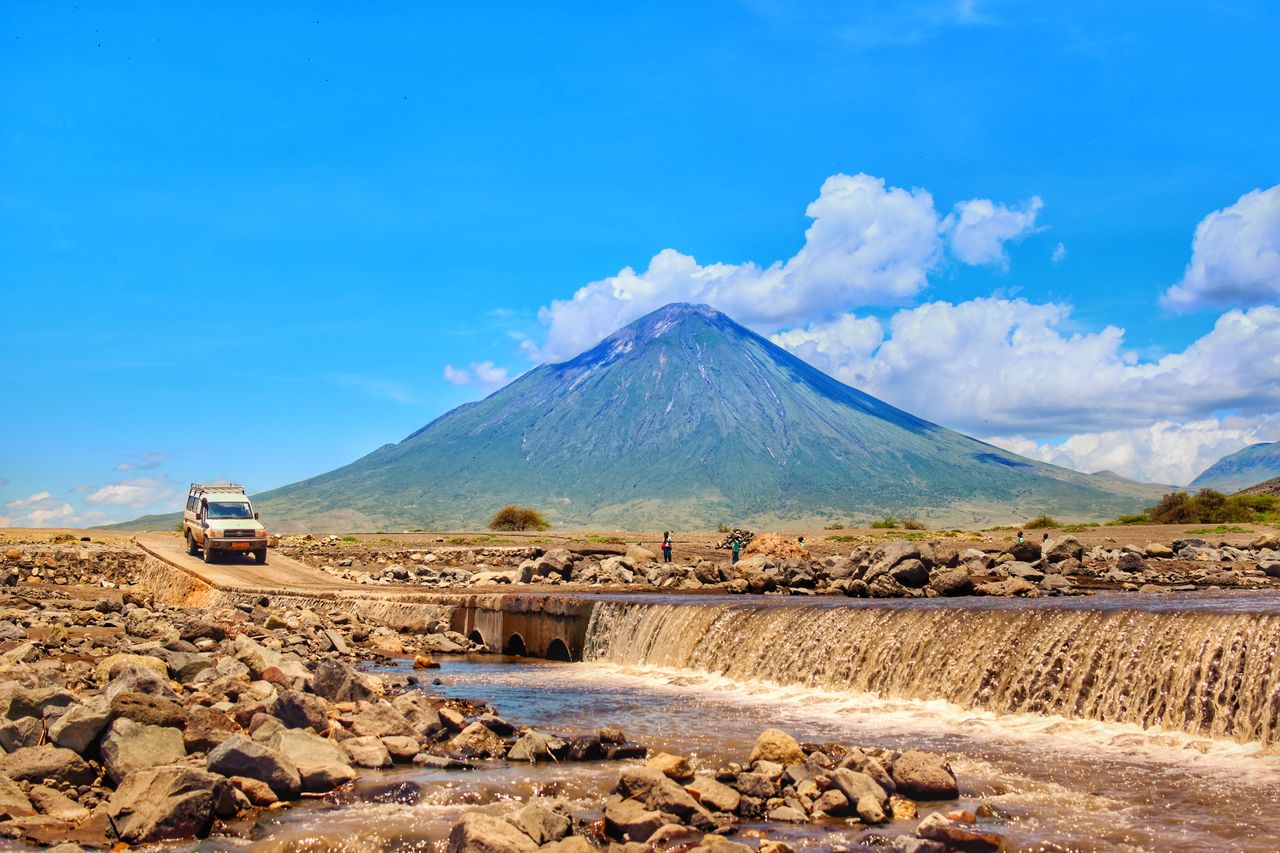
Mount Meru rises above Arusha National Park in northern Tanzania to approximately 4,566 metres. Its steep volcanic slopes, dramatic crater and high ridgeline make it a compelling destination in its own right. Compared with the broad summit massif of Kilimanjaro, Meru often feels more compact and sharply sculpted, with a rewarding transition from forest and wildlife habitat to open slopes, volcanic scenery and a challenging summit approach.
The mountain sits within a protected landscape of woodland, lakes, open areas and crater features. Visitors come for trekking, landscape photography and the opportunity to experience a different side of northern Tanzania. Its elevation and steep sections require proper preparation even when the itinerary is shorter than a Kilimanjaro expedition.
Mount Meru’s Summit, Crater and Geological Character
The upper mountain includes a horseshoe shaped volcanic rim overlooking an enormous crater complex and an ash cone. The summit is commonly known as Socialist Peak. The landscape reflects a history of volcanic activity, erosion and large scale slope collapse. Clear days can reveal both the crater below and views toward Kilimanjaro across the surrounding terrain.
This is a high mountain environment rather than a routine nature walk. Near the summit the terrain can be narrow, rocky and exposed. Routes, walking conditions and turnaround decisions must be confirmed with the authorised mountain team and park staff.
The Momella Route: How a Mount Meru Trek Unfolds
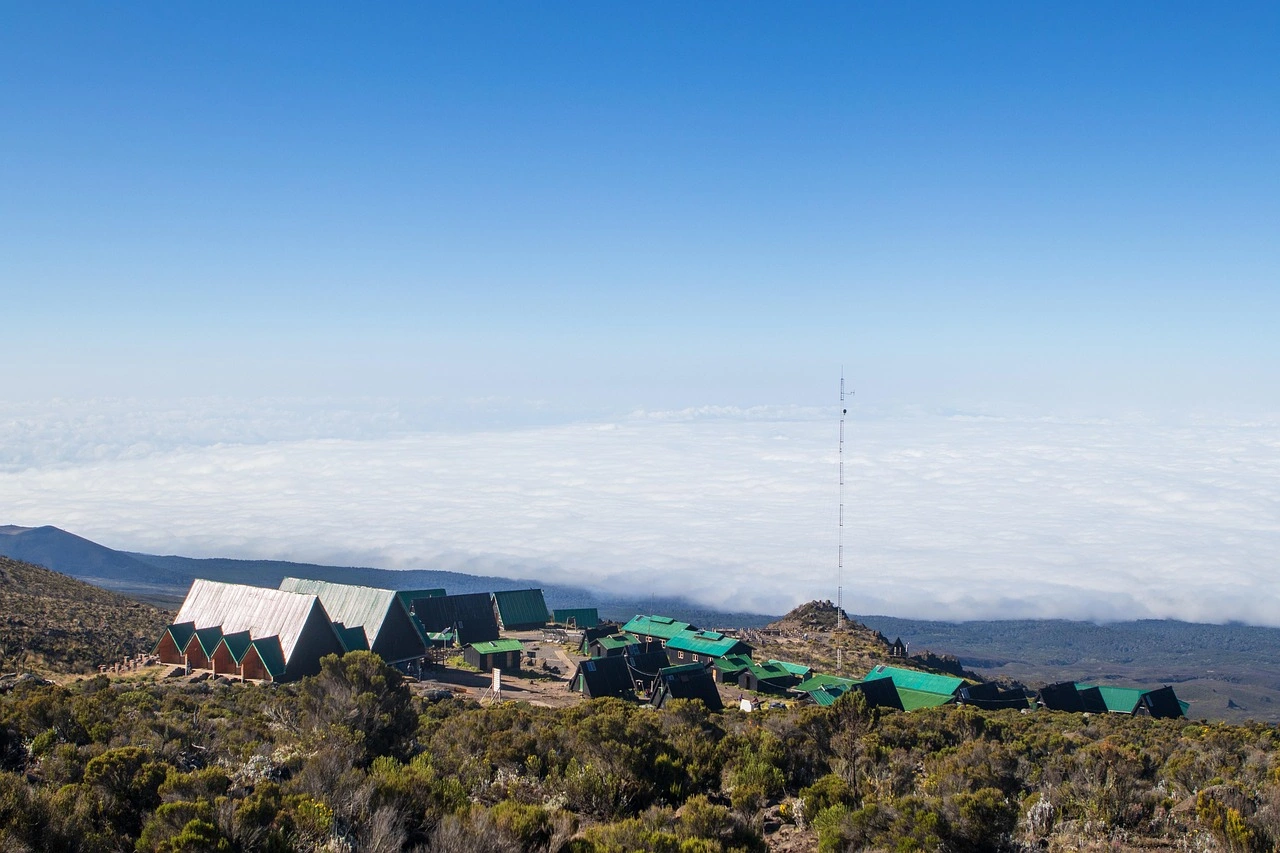
The established trekking approach generally begins from the Momella Gate area of Arusha National Park. Lower sections can pass through wildlife rich park landscapes, forest and grassy slopes. A trek normally progresses toward the Miriakamba and Saddle overnight areas before a summit attempt and descent. The exact route and schedule depend on the booked itinerary, weather and current park guidance.
Lower Slopes and Miriakamba
The opening stage moves away from the lower park landscape toward forest and progressively steeper terrain. Views, vegetation and wildlife encounters vary by season and route. Miriakamba is a commonly used overnight location, giving climbers the chance to adapt to the gradual ascent and prepare for a higher day.
Saddle Area and Higher Mountain
The route continues through changing vegetation toward the Saddle area. Above the forest, the views become more open and the influence of wind and altitude is stronger. Depending on the itinerary, walkers may have an acclimatization opportunity or shorter excursion before the summit effort.
Socialist Peak Summit Attempt
A summit attempt often begins very early in the morning and involves steep, sometimes exposed ridge terrain. The experience may include the crater landscape on one side and broader views toward Kilimanjaro when visibility permits. The decision to continue must account for weather, trail conditions, daylight, fitness and how each climber is coping with altitude.
Three Day or Four Day Mount Meru Trek?
Both three day and four day Mount Meru arrangements appear in travel catalogues. Tanzania National Parks recommends allowing four days to improve the opportunity for altitude adjustment. A shorter climb involves a more compressed schedule and may not be suitable for everyone. The package name alone is not sufficient: review where you sleep each night, the distance on summit day and the descent plan.
Wildlife, Forests and the Arusha National Park Setting
One of Meru’s distinctive qualities is the transition from a national park environment to a high volcanic summit. The lower mountain and surrounding park contain woodland, forest, grassland and wildlife habitats. Sightings on lower trails may differ from a dedicated vehicle safari and depend on conditions. Visitors should follow authorised ranger instructions and never approach wild animals independently.
The summit panorama and crater rim are equally important parts of the trip. This is an ideal mountain for climbers who value a combination of geological scenery, trekking and time in Arusha National Park.
Difficulty, Safety and Preparation
Mount Meru requires good walking endurance, comfort with uphill and downhill terrain, and suitable equipment for cold early starts. Higher sections can be steep, exposed or slippery. Altitude affects different people differently, and the relatively short trekking duration does not remove the need for acclimatization. Travelers should ask about park ranger accompaniment, guide arrangements, accommodation, emergency procedures and the specific exposure of their chosen route.
- Build fitness with hill walking, stairs or long walks carrying a light pack before your expedition.
- Carry waterproof layers, insulation, reliable footwear, gloves, sun protection and a headlamp.
- Check your confirmed itinerary for the Miriakamba and Saddle overnights, ascent profile and summit turnaround policy.
- Follow park instructions for wildlife encounters on the lower mountain and use authorised trekking arrangements.
- Confirm park fees, meals, accommodation, support staff and transport arrangements before booking.
- Leave wildlife, plants, rocks and archaeological or geological features undisturbed.
When to Trek Mount Meru
Trekkers often choose relatively dry periods in northern Tanzania, commonly around January to early March and June through October. Rain, mud, cold temperatures and poor visibility are still possible at different elevations. The best date depends on the current mountain conditions, available park services and how much time you can allocate to acclimatization.
Mount Meru or Kilimanjaro: Which Mountain Should You Choose?
Mount Meru offers a striking volcanic crater, forest approach and a shorter but demanding summit experience. Kilimanjaro is higher and usually requires more mountain days to reach Uhuru Peak. Some travellers consider Meru as a separate trekking holiday or as preparation before Kilimanjaro, but a previous successful climb never guarantees that a person will acclimatize comfortably on a higher mountain. Choose according to personal goals and the verified itinerary.
Frequently Asked Questions
How high is Mount Meru?
Mount Meru reaches approximately 4,566 metres and is the dominant mountain of Arusha National Park.
Where does a Mount Meru trek start?
The standard Momella trekking approach begins in Arusha National Park, with overnight areas commonly including Miriakamba and Saddle.
Is a four day itinerary preferable to three days?
Tanzania National Parks recommends a four day option to allow more time for adjustment to altitude. The suitability of either schedule depends on the traveller and the actual walking plan.
Is Mount Meru a walk in a wildlife park?
The lower slopes are within Arusha National Park, but the summit trek is a serious mountain journey. Appropriate authorised guide and ranger arrangements are important.
Can Mount Kilimanjaro be seen from Mount Meru?
Kilimanjaro may be visible in clear weather from higher viewpoints. Visibility is not guaranteed.
Official Park Information
Use Tanzania National Parks information for current Arusha National Park access, authorised trekking procedures and visitor safety. Confirm the exact route and arrangements with Olengugih Safaris before travelling.