Tsavo West National Park is one of Kenya’s most iconic safari destinations, celebrated for its dramatic volcanic landscapes, rich wildlife, natural springs, and breathtaking scenery. Covering approximately 9,065 square kilometers, the park forms part of the vast Tsavo Conservation Area, one of the largest protected ecosystems in Africa.
Located in southeastern Kenya between Nairobi and Mombasa, Tsavo West National Park offers a remarkable blend of rugged wilderness, rolling hills, lava fields, acacia woodlands, riverine habitats, and volcanic formations. Unlike the open plains of many African safari destinations, Tsavo West offers a diverse, ever-changing landscape that rewards visitors with exceptional wildlife encounters and stunning natural attractions.
Famous for Mzima Springs, the Shetani Lava Flow, large elephant herds, and panoramic views of Mount Kilimanjaro, Tsavo West National Park delivers one of the most authentic safari experiences in East Africa.
One of the defining features of Tsavo West National Park is its extraordinary variety of landscapes. The park’s terrain ranges from open savannah and volcanic hills to dense bushland, rocky ridges, and lush riverine forests.
Ancient volcanic activity has shaped much of the park, creating lava fields, crater formations, and rugged escarpments that distinguish Tsavo West from many other national parks in Kenya. The contrast between black lava rock, green vegetation, and distant mountain views creates breathtaking scenery throughout the park.
These diverse habitats support a rich array of wildlife while offering visitors endless opportunities for exploration and photography.

Mzima Springs is undoubtedly one of the most famous attractions in Tsavo West National Park. Fed by underground rivers originating from the Chyulu Hills, the springs produce millions of liters of crystal-clear freshwater every day.
The springs create a lush oasis within the semi-arid landscape, attracting a variety of wildlife, including hippos, crocodiles, monkeys, and numerous bird species. Visitors can enjoy walking trails and an underwater viewing chamber that provides a unique perspective of aquatic life beneath the surface.
The combination of clear water, abundant wildlife, and scenic surroundings makes Mzima Springs one of Kenya’s most remarkable natural wonders.
The Shetani Lava Flow is one of the park’s most striking geological attractions. Formed by volcanic eruptions that occurred only a few hundred years ago, the lava field stretches across the landscape as a vast expanse of black volcanic rock.
The name “Shetani,” meaning “devil” in Swahili, comes from local legends that attributed the fiery eruptions to supernatural forces. Today, the lava flow serves as a fascinating reminder of the geological processes that shaped the region.
Visitors can walk along designated viewpoints to learn about Tsavo West’s volcanic history while enjoying spectacular views of the surrounding wilderness.
Tsavo West National Park supports a rich diversity of wildlife and is one of Kenya’s premier safari destinations. The park’s varied habitats provide ideal conditions for both large and small mammals.
Although dense vegetation can make wildlife more challenging to spot than in open savannah parks, patient visitors are often rewarded with memorable sightings of some of Africa’s most iconic animals.
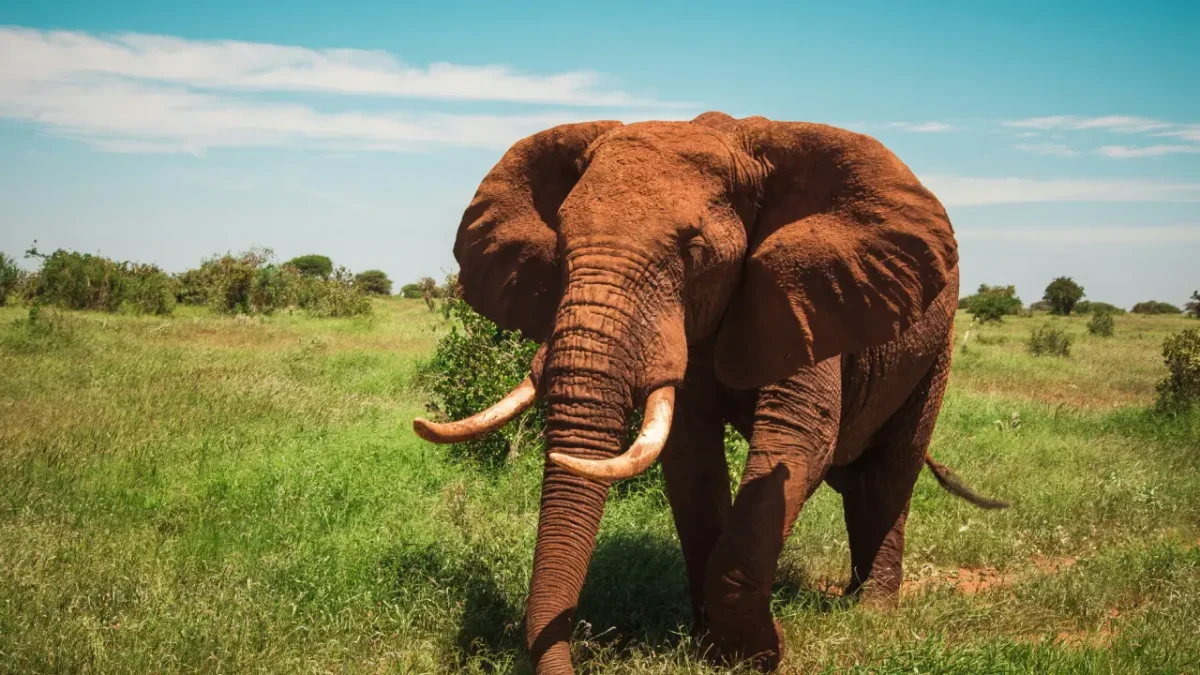
The park is particularly famous for its elephants, many of which were historically known for their distinctive red coloration caused by dust from Tsavo’s red soils.
With more than 600 recorded bird species, Tsavo West National Park is one of Kenya’s finest birdwatching destinations.
The park’s rivers, wetlands, forests, and open plains attract an impressive variety of resident and migratory birds throughout the year. Birdwatchers can enjoy sightings in virtually every habitat within the park.
The diversity of birdlife makes Tsavo West a rewarding destination for both casual birders and experienced ornithologists.
One of the park’s most important conservation areas is the Ngulia Rhino Sanctuary, established to protect the endangered black rhinoceros.
The sanctuary covers approximately 90 square kilometers and provides a secure environment where rhinos can breed and thrive. Conservation efforts within the sanctuary have played a significant role in the recovery of Kenya’s black rhino population.
Visitors have an excellent opportunity to observe these magnificent animals while learning about ongoing conservation initiatives.
The Ngulia Hills offer some of the most spectacular views in Tsavo West National Park. Rising above the surrounding plains, these hills provide panoramic vistas of the park’s volcanic landscapes, wildlife habitats, and distant mountain ranges.
At certain times of year, the hills also serve as an important migration corridor for birds traveling across Africa. The elevated viewpoints are particularly popular among photographers seeking dramatic sunrise and sunset scenes.
The scenery from the Ngulia Hills highlights the immense scale and beauty of the Tsavo ecosystem.
Located near the Tanzania border, Lake Jipe is a tranquil freshwater lake shared between Kenya and Tanzania. The lake supports a rich diversity of aquatic life and serves as an important habitat for birds, hippos, crocodiles, and fish species.
The wetlands surrounding Lake Jipe attract numerous waterbirds and provide excellent opportunities for photography and birdwatching. Its peaceful atmosphere offers a refreshing contrast to the park’s rugged volcanic landscapes.
Lake Jipe remains one of Tsavo West’s lesser-known but highly rewarding attractions.
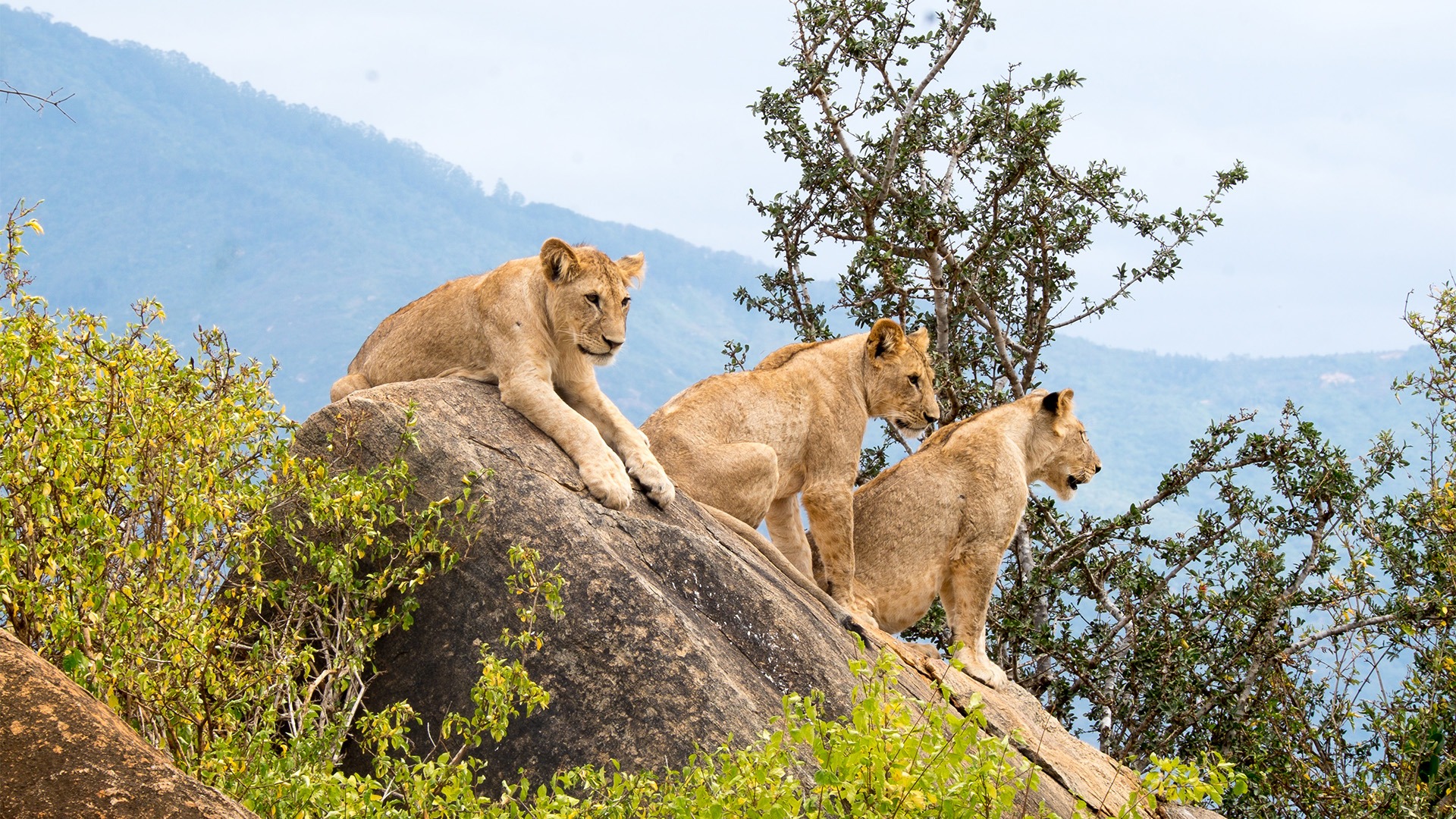
Game drives provide opportunities to observe elephants, lions, rhinos, giraffes, and many other wildlife species.
The Ngulia Rhino Sanctuary offers one of Kenya’s best opportunities to see black rhinos.
More than 600 bird species make the park a premier destination for bird enthusiasts.
Volcanic landscapes, wildlife, springs, and mountain views create exceptional photography opportunities.
Visitors can explore lava flows, volcanic formations, and other geological attractions.
Panoramic viewpoints throughout the park offer breathtaking views of the Tsavo wilderness.
Tsavo West National Park forms part of the larger Tsavo Ecosystem, one of Africa’s most important conservation areas.
The park provides critical habitat for elephants, rhinos, large predators, and numerous bird species. Conservation efforts focus on anti-poaching initiatives, habitat protection, wildlife monitoring, and community engagement.
Its ecological significance extends beyond Kenya, contributing to regional biodiversity conservation across East Africa.
Visitors to Tsavo West National Park are required to pay entry fees administered by the Kenya Wildlife Service (KWS).
| Visitor Category | Adult | Child/Student |
|---|---|---|
| East African Citizen | KES 1,000 | KES 500 |
| Kenya Resident | KES 1,350 | KES 675 |
| Other African Citizen | USD 40 | USD 20 |
| Non-Resident | USD 80 | USD 40 |
| Service | Details |
|---|---|
| Park Management | Kenya Wildlife Service (KWS) |
| Location | Southeastern Kenya |
| Main Attractions | Mzima Springs, Shetani Lava Flow, Ngulia Rhino Sanctuary, Lake Jipe |
| Activities | Game drives, birdwatching, photography, nature exploration |
| Best Time to Visit | June–October and January–March |
| Recommended Stay | 2–4 days |
| Payment Method | eCitizen and approved KWS cashless payment platforms |
Entry fees are subject to change by the Kenya Wildlife Service (KWS). Visitors should confirm current rates before travel.
The best time to visit Tsavo West National Park is during the dry seasons from June to October and January to March.
These months offer excellent wildlife-viewing opportunities as animals gather near water sources and vegetation becomes less dense. The dry season also offers clearer roads and ideal conditions for photography.
The rainy seasons transform the park into a lush green landscape, offering excellent birdwatching opportunities.
Tsavo West National Park combines spectacular scenery, abundant wildlife, geological wonders, and world-class safari experiences into one unforgettable destination. From the crystal-clear waters of Mzima Springs and the black lava fields of Shetani to the wildlife-rich plains and scenic Ngulia Hills, every corner of the park reveals something extraordinary.
Whether you are seeking wildlife encounters, birdwatching adventures, photography opportunities, or geological exploration, Tsavo West National Park offers one of Kenya’s most rewarding safari experiences. Its unique landscapes, conservation significance, and natural beauty ensure its place among Africa’s premier wilderness destinations.