Nairobi National Park is one of Kenya’s most remarkable wildlife destinations and the only national park in the world located within a capital city. Situated just 7 kilometers south of Nairobi’s city center, the park offers visitors a unique opportunity to experience an authentic African safari against the backdrop of a modern urban skyline.
Established in 1946, Nairobi National Park is Kenya’s oldest national park and covers approximately 117 square kilometers of open grasslands, acacia woodlands, riverine forests, and wetlands. Despite its proximity to the bustling city, the park supports a rich diversity of wildlife, including lions, rhinos, giraffes, buffaloes, and hundreds of bird species.
Its accessibility, conservation significance, and unique blend of wilderness and city views make Nairobi National Park one of Kenya’s most visited protected areas.
Nairobi National Park offers a fascinating mix of natural habitats that support a wide variety of wildlife. The park consists of rolling grasslands, scattered acacia trees, rocky valleys, seasonal rivers, and wetlands that provide food, shelter, and water for numerous species.
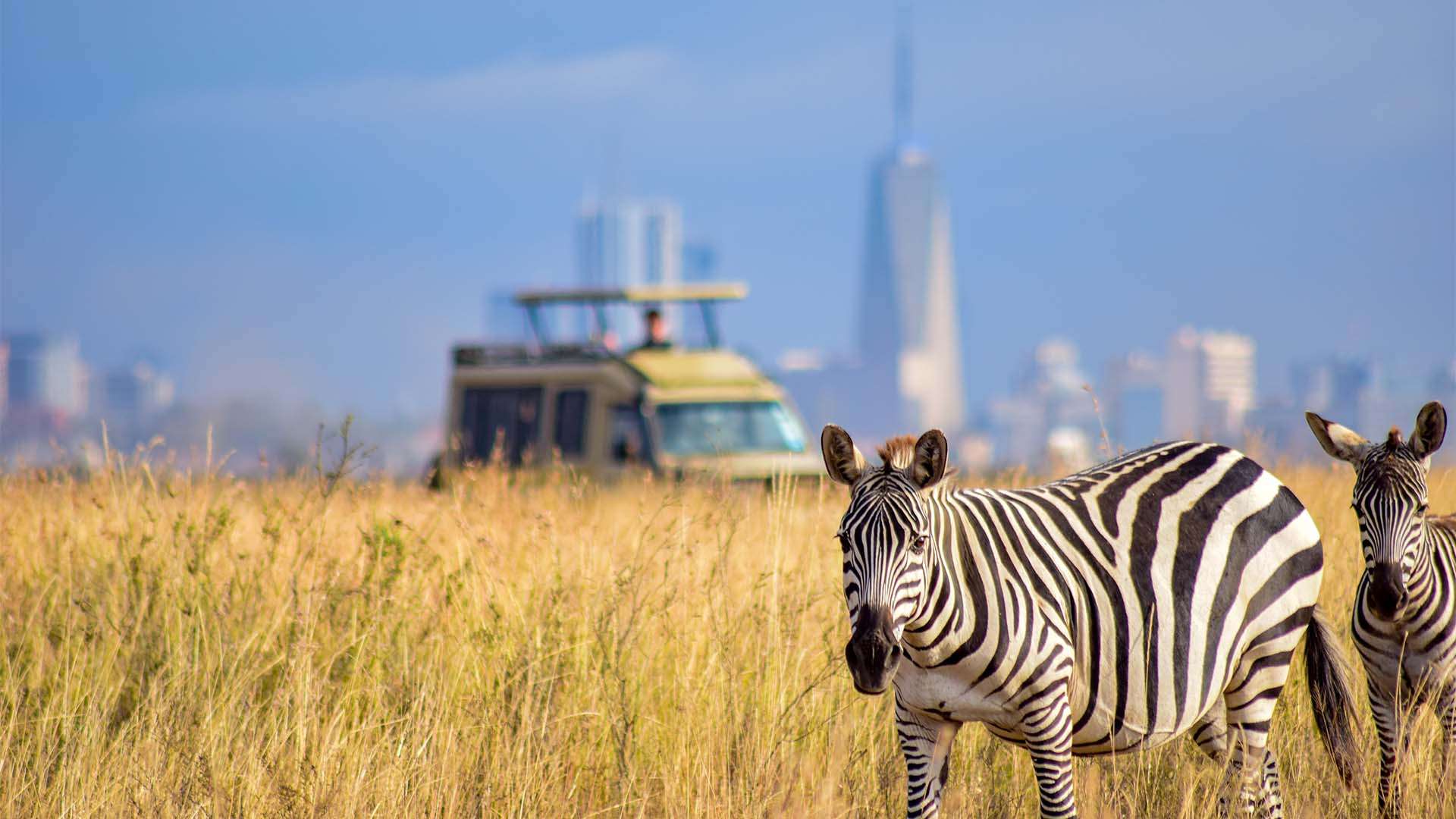
One of the park’s most distinctive features is the contrast between the natural wilderness and Nairobi’s modern skyline. Visitors can observe wildlife roaming freely across the savannah while skyscrapers rise in the distance, creating one of Africa’s most iconic safari scenes.
The park’s varied landscapes contribute to its ecological richness and make every game drive unique.
Nairobi National Park plays a vital role in wildlife conservation, particularly in protecting endangered species. The park serves as an important refuge for wildlife and forms part of a larger ecosystem that extends into the Athi-Kapiti Plains.
The park is especially renowned for its successful black rhino conservation program, making it one of the best places in Kenya to observe these critically endangered animals. Through anti-poaching initiatives, habitat management, and conservation partnerships, Nairobi National Park continues to support biodiversity conservation in an increasingly urbanized environment.
Its conservation achievements have earned international recognition and underscore its importance as a protected area.
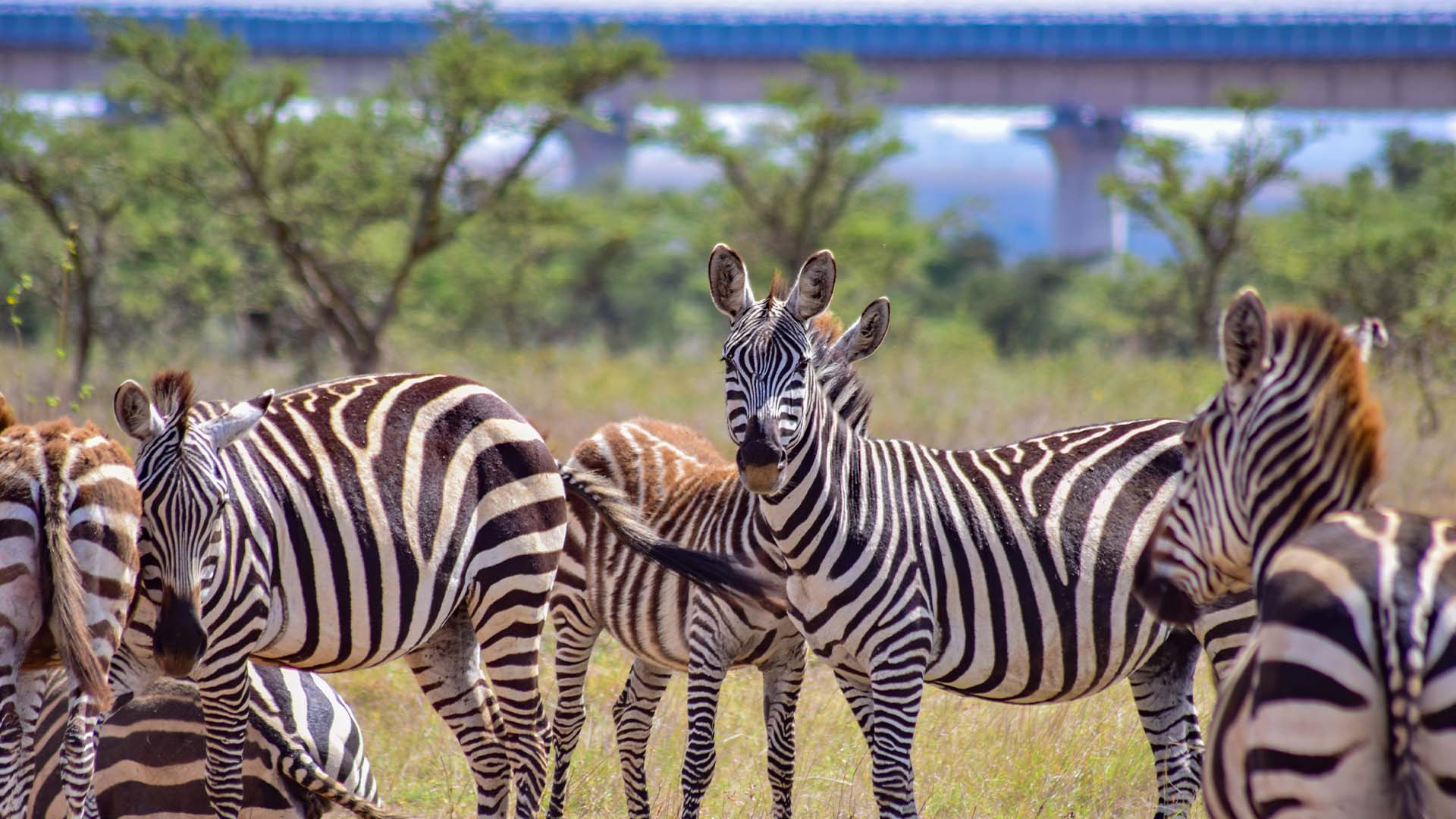
Despite its relatively small size, Nairobi National Park supports an impressive range of wildlife species. The park is home to four of the Big Five, with elephants being the only notable absence due to the park’s limited size.
Wildlife sightings are frequent and often occur within a short distance of the park entrance, making it an excellent destination for both first-time safari visitors and experienced wildlife enthusiasts.
The park’s healthy populations of herbivores provide excellent opportunities to observe predator-prey interactions in a natural environment.
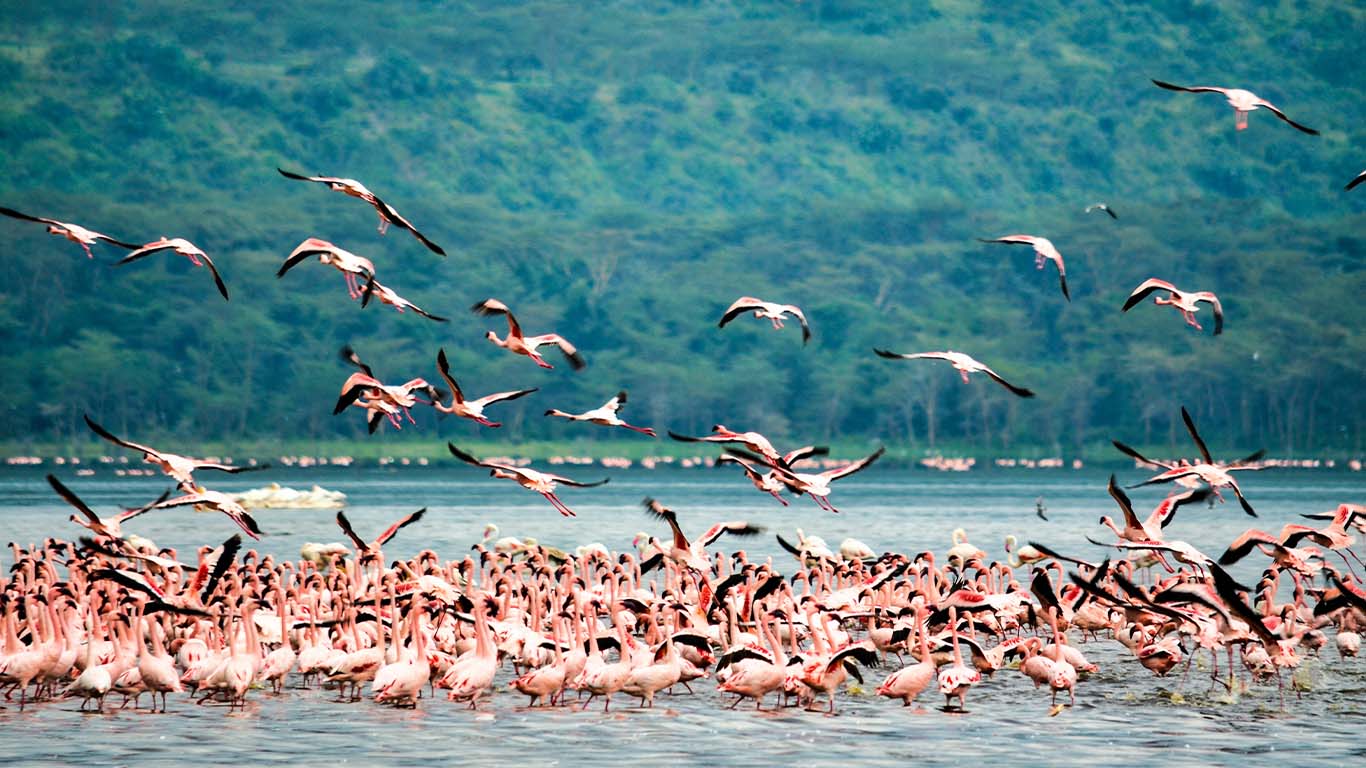
Nairobi National Park is a paradise for bird lovers, with more than 500 recorded bird species inhabiting its grasslands, wetlands, forests, and riverine habitats.
The park attracts both resident and migratory birds, making birdwatching rewarding throughout the year. Seasonal wetlands provide important feeding grounds for waterbirds, while the grasslands support numerous raptors and terrestrial species.
The diversity of birdlife makes Nairobi National Park one of the best birdwatching destinations near a major city.
Located adjacent to the park, the Nairobi Safari Walk offers visitors an educational introduction to Kenya’s wildlife and ecosystems.
The facility features elevated boardwalks, wildlife viewing areas, and interpretive exhibits that showcase the country’s diverse habitats. It provides an excellent opportunity for visitors to learn about conservation while observing animals in a natural setting.
The Safari Walk is particularly popular among families, students, and travelers with limited time.
One of Nairobi National Park’s most famous attractions is the nearby David Sheldrick Wildlife Trust, renowned for its elephant and rhino orphan rescue program.
The sanctuary rehabilitates orphaned elephants and rhinos before eventually reintroducing them to the wild. Visitors can observe young elephants during feeding sessions and learn about conservation efforts aimed at protecting Kenya’s wildlife.
The center has become a symbol of successful wildlife rescue and conservation.
Within Nairobi National Park lies the historic Ivory Burning Site Monument, where Kenya conducted internationally significant ivory burns to demonstrate its commitment to combating poaching and illegal wildlife trade.
The monument commemorates conservation milestones and serves as a powerful reminder of the importance of protecting endangered species. It remains a meaningful stop for visitors interested in Kenya’s conservation history.
Game drives provide excellent opportunities to observe wildlife in a natural setting just minutes from the city.
The park is one of the best locations in Kenya for observing black rhinos.
More than 500 bird species make the park a top destination for bird enthusiasts.
The combination of wildlife and city skyline views creates unique photography opportunities.
Visitors can learn about wildlife conservation through guided experiences and nearby attractions.
The park’s diverse ecosystems offer rewarding opportunities for ecological discovery and sightseeing.
Nairobi National Park demonstrates that wildlife conservation and urban development can coexist. The park protects critical habitats and migration routes while providing environmental education, research opportunities, and tourism benefits.
Conservation efforts focus on maintaining wildlife populations, reducing human-wildlife conflict, and preserving ecological connectivity with surrounding landscapes. These initiatives ensure the park remains a thriving refuge for wildlife despite increasing urban pressures.
Its success serves as a model for urban conservation worldwide.
Visitors to Nairobi National Park are required to pay entry fees administered by the Kenya Wildlife Service (KWS).
| Visitor Category | Adult | Child/Student |
|---|---|---|
| East African Citizen | KES 1,000 | KES 500 |
| Kenya Resident | KES 1,350 | KES 675 |
| Other African Citizen | USD 40 | USD 20 |
| Non-Resident | USD 80 | USD 40 |
| Service | Details |
|---|---|
| Park Management | Kenya Wildlife Service (KWS) |
| Location | 7 km south of Nairobi City Centre |
| Best Time to Visit | June–October and January–March |
| Main Attractions | Wildlife viewing, rhino sanctuary, Ivory Burning Site, city skyline views |
| Activities | Game drives, birdwatching, photography, educational tours |
| Recommended Stay | Half-day to full-day visit |
| Accessibility | Easily accessible by road from Nairobi |
| Payment Method | eCitizen and approved KWS cashless payment platforms |
Entry fees are subject to change by the Kenya Wildlife Service (KWS). Visitors should verify current rates before travel.
The best time to visit Nairobi National Park is during the dry seasons from June to October and January to March.
These months provide excellent wildlife viewing conditions as animals gather near water sources and vegetation is less dense. Clear skies also enhance photography opportunities and visibility during game drives.
The wet seasons bring lush landscapes and increased bird activity, making them ideal for birdwatchers and nature photographers.
Nairobi National Park is a truly unique destination where wildlife and urban life coexist in remarkable harmony. From thrilling game drives and rhino encounters to birdwatching and conservation experiences, the park offers an authentic safari adventure just minutes from Kenya’s capital city.
Whether you are visiting Nairobi for a short stay or beginning a longer safari journey across Kenya, Nairobi National Park provides an unforgettable introduction to the country’s incredible wildlife and conservation heritage. Its accessibility, biodiversity, and iconic city backdrop make it one of Africa’s most distinctive national parks.

WhatsApp us