Shaba National Reserve is one of Kenya’s most captivating wilderness areas, known for its rugged landscapes, unique wildlife, and rich conservation history. Located in Isiolo County in northern Kenya, the reserve lies east of Samburu National Reserve and forms part of the greater Samburu Ecosystem, alongside Buffalo Springs National Reserve.
Covering approximately 239 square kilometers, Shaba is characterized by volcanic hills, open grasslands, riverine forests, and dramatic semi-arid landscapes. The reserve gained international recognition as the setting for the book and film Born Free, which documented the conservation work of George and Joy Adamson.
For travelers seeking authentic wildlife encounters, stunning scenery, and fewer crowds, Shaba National Reserve offers one of northern Kenya’s most rewarding safari experiences.
Shaba is located in Isiolo County, approximately 340 kilometers north of Nairobi.
The reserve lies on the eastern bank of the Ewaso Nyiro River, which serves as a vital water source for wildlife year-round. Its proximity to Samburu and Buffalo Springs makes it easy to combine all three reserves into one unforgettable safari adventure.
The reserve’s remote setting and beautiful landscapes create a true wilderness experience far from the busy tourist circuits.
Shaba is best known for its association with conservation pioneers George and Joy Adamson, who carried out much of their wildlife conservation work in the area.
The reserve is also famous for its spectacular scenery, including volcanic formations, natural springs, and sweeping savannah landscapes. Its lower visitor numbers compared to neighboring reserves provide a more exclusive safari experience while still offering excellent wildlife viewing opportunities.
Shaba remains one of Kenya’s most underrated safari destinations.
Shaba Reserve supports a rich variety of wildlife adapted to northern Kenya’s semi-arid environment.
The reserve is particularly known for species that thrive in arid, dry savannah habitats, including several animals rarely seen in southern Kenya.
The reserve also supports healthy predator populations, making game drives particularly exciting.
Like neighboring Samburu National Reserve, Shaba is one of the best places in Kenya to see the famous Samburu Special Five.
These species are well adapted to northern Kenya’s dry environment and are among the reserve’s most significant wildlife attractions.
Shaba National Reserve is a paradise for birdwatchers, with more than 400 recorded bird species.
The reserve’s rivers, wetlands, acacia woodlands, and grasslands provide habitats for a wide variety of resident and migratory birds.
Birdwatching is rewarding year-round, particularly near the Ewaso Nyiro River and natural springs.
Shaba Reserve stands out because of its dramatic volcanic landscapes and strong conservation heritage.
The reserve features lava flows, rocky hills, riverine forests, and natural springs, creating a striking contrast with the surrounding semi-arid environment. It is also one of the few places in Kenya where visitors can experience a true wilderness safari without large crowds.
Its connection to the Adamsons and the Born Free story adds a unique historical and conservation dimension to every visit.
Visitors can enjoy a variety of activities while exploring the reserve.
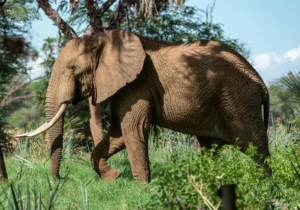
Discover predators, elephants, and rare northern wildlife across diverse habitats.
Observe hundreds of bird species in riverine and savannah ecosystems.
Capture stunning images of wildlife and dramatic northern landscapes.
Explore volcanic formations, springs, and scenic viewpoints.
Learn about the reserve’s connection to George and Joy Adamson.
Enjoy unforgettable sunsets over the African wilderness.
Several excellent safari lodges and camps are located within or near the reserve, offering comfortable accommodation and easy access to wildlife-viewing areas.
These properties offer a range of options from luxury lodges to tented safari camps, allowing visitors to enjoy the reserve in comfort.
Visitors to Shaba Reserve are required to pay conservation fees that support wildlife protection and reserve management.
| Visitor Type | Adult (Per Day) | Child (3–17 Years) |
|---|---|---|
| Kenyan Citizens | KES 500 | KES 250 |
| Residents (EAC) | KES 1,000 | KES 500 |
| Non-Residents | USD 70 | USD 40 |
Entry fees are subject to change. Visitors should confirm current rates before travel.
Shaba Reserve is accessible by both road and air.
Visitors can drive from Nairobi through Isiolo, a journey that typically takes around five to six hours. Scheduled and charter flights are also available to nearby airstrips, offering a faster, more convenient option for travelers.
Many visitors combine Shaba with Samburu and Buffalo Springs for a more comprehensive northern Kenya safari.
The best time to visit Shaba Reserve is during the dry seasons from June to October and December to March.
During these months, wildlife tends to gather around permanent water sources, making animals easier to locate. Dry weather also improves road conditions and provides excellent opportunities for photography.
The reserve remains a year-round destination thanks to the Ewaso Nyiro River, which sustains wildlife even during drier periods.
Shaba National Reserve offers a unique blend of wildlife, history, and breathtaking scenery in one of Kenya’s most beautiful wilderness areas. From the rare Samburu Special Five and thriving predator populations to its volcanic landscapes and conservation heritage, the reserve provides an unforgettable safari experience.
Whether you are a wildlife enthusiast, photographer, birder, or conservation traveler, Shaba National Reserve delivers an authentic adventure in the heart of northern Kenya.