Mount Longonot National Park is one of Kenya’s most popular adventure destinations, renowned for its dramatic volcanic landscapes, scenic hiking trails, and breathtaking views of the Great Rift Valley. Located approximately 90 kilometers northwest of Nairobi near Lake Naivasha, the park protects Mount Longonot, a dormant stratovolcano that rises prominently above the surrounding plains.
Established as a national park in 1983, Mount Longonot National Park covers approximately 52 square kilometers and attracts hikers, nature enthusiasts, photographers, and outdoor adventurers seeking an accessible yet rewarding wilderness experience. The mountain’s name comes from the Maasai word “Oloonong’ot,” meaning “mountains of many spurs” or “steep ridges.”
The park’s towering crater, rugged terrain, diverse wildlife, and panoramic viewpoints make it one of the most exciting day-trip destinations in Kenya.
At the heart of the park stands Mount Longonot, a dormant volcano formed through volcanic activity associated with the Great Rift Valley. Rising to approximately 2,776 meters above sea level, the mountain dominates the surrounding landscape and provides spectacular views in every direction.
The volcano’s most striking feature is its enormous crater, which measures several kilometers across and is covered by dense vegetation. Visitors can hike to the crater rim and even complete a challenging circuit around the crater for some of the best panoramic views in Kenya.
The mountain’s volcanic origins have shaped a dramatic landscape that continues to attract geologists, hikers, and nature lovers.
The Mount Longonot Crater Rim Trail is the park’s most famous attraction and one of Kenya’s most rewarding hiking experiences.
The trail begins at the park gate and ascends steadily toward the crater rim. Once at the top, visitors are greeted by breathtaking views of the crater floor, Lake Naivasha, the Great Rift Valley, and the surrounding highlands.
For adventurous hikers, a full loop around the crater rim offers an unforgettable challenge. The route features steep sections, rugged terrain, and constantly changing viewpoints that showcase the mountain’s beauty from every angle.
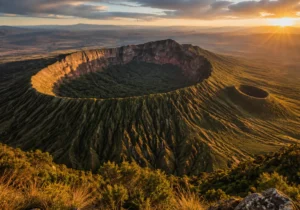
Mount Longonot National Park provides some of the finest viewpoints in the Great Rift Valley.
From the crater rim, visitors can enjoy sweeping views of:
These spectacular vistas make the park a favorite destination for landscape photographers and outdoor enthusiasts seeking unforgettable scenery.
Although Mount Longonot is best known for hiking, the park also supports a variety of wildlife species that inhabit its forests, grasslands, and volcanic slopes.
Wildlife is often encountered along hiking trails and around the lower slopes of the mountain. The protected environment provides important habitat for both large and small mammals.
Visitors should remain alert during hikes, as wildlife can occasionally be encountered along the trails.
Mount Longonot National Park offers excellent birdwatching opportunities due to its varied habitats, which include forests, cliffs, grasslands, and volcanic slopes.
The mountain attracts both resident and migratory bird species, making birdwatching rewarding throughout the year.
The elevated viewpoints and diverse ecosystems create ideal conditions for observing a variety of bird species.
Unlike many volcanic craters, Mount Longonot’s crater floor is densely covered with forest vegetation. This unique ecosystem supports wildlife, birds, and plant species that thrive within the sheltered environment.
The crater forest creates a striking contrast with the drier landscapes surrounding the mountain and contributes significantly to the park’s biodiversity.
Although access to the crater floor is restricted, visitors can admire the lush interior from the rim while learning about its ecological importance.
The crater rim hike is the park’s signature activity and one of Kenya’s most popular outdoor adventures.
Visitors can encounter a variety of wildlife species while exploring the lower slopes and open grasslands.
The park’s diverse habitats attract numerous bird species suitable for both casual and experienced birdwatchers.
Volcanic landscapes, wildlife, crater views, and Rift Valley panoramas provide exceptional photography opportunities.
The park offers stunning viewpoints and opportunities to explore one of Kenya’s most famous volcanic landmarks.
Many visitors enjoy Mount Longonot as a destination for exercise, endurance training, and outdoor adventure.
Mount Longonot is part of the Great Rift Valley volcanic system and represents an important chapter in East Africa’s geological history.
The mountain was formed through repeated volcanic eruptions that created the large crater visible today. Its lava flows, volcanic rocks, and crater formations provide valuable insights into the geological processes that shaped the Rift Valley.
The park serves as a natural outdoor classroom for students, researchers, and geology enthusiasts.
Mount Longonot National Park plays an important role in protecting wildlife habitats, water catchment areas, and volcanic ecosystems within the Rift Valley region.
Conservation efforts focus on habitat preservation, visitor management, environmental education, and sustainable tourism practices. Protecting the mountain’s unique ecosystems helps ensure the long-term survival of wildlife and plant species that depend on the park.
The park also contributes to regional conservation by maintaining important natural landscapes near rapidly developing urban areas.
Visitors to Mount Longonot National Park are required to pay entry fees administered by the Kenya Wildlife Service (KWS).
| Visitor Category | Adult | Child/Student |
|---|---|---|
| East African Citizen | KES 500 | KES 250 |
| Kenya Resident | KES 675 | KES 350 |
| Other African Citizen | USD 20 | USD 10 |
| Non-Resident | USD 50 | USD 25 |
| Service | Details |
|---|---|
| Park Management | Kenya Wildlife Service (KWS) |
| Best Time to Visit | June–October and January–March |
| Main Attraction | Mount Longonot Crater and Rim Trail |
| Activities | Hiking, wildlife viewing, birdwatching, photography |
| Recommended Stay | Half-day to full-day visit |
| Accessibility | Approximately 90 km from Nairobi via Naivasha Road |
| Payment Method | eCitizen and approved KWS cashless payment platforms |
Entry fees are subject to change by the Kenya Wildlife Service (KWS). Visitors should confirm current rates before travel.
The best time to visit Mount Longonot National Park is during the dry seasons from June to October and January to March.
These months provide favorable hiking conditions, clearer skies, and excellent visibility from the crater rim. Early morning hikes are particularly popular because temperatures are cooler and wildlife activity is often higher.
The rainy seasons bring greener vegetation and beautiful scenery, but can make trails muddy and more challenging.
Mount Longonot National Park combines adventure, geology, wildlife, and breathtaking scenery into one of Kenya’s most rewarding outdoor destinations. Whether hiking to the crater rim, observing wildlife along the trails, or taking in panoramic views of the Great Rift Valley, visitors are guaranteed an unforgettable experience.
Its proximity to Nairobi, stunning volcanic landscapes, and exciting hiking opportunities make Mount Longonot National Park a must-visit destination for travelers seeking adventure and natural beauty in the heart of Kenya.