Meru National Park is one of Kenya’s most diverse and scenic safari destinations, offering a remarkable combination of wildlife, rivers, forests, and open savannah landscapes. Located in eastern Kenya, approximately 350 kilometers from Nairobi, the park covers about 870 square kilometers and forms part of the larger Meru Conservation Area. Known for its rich biodiversity and conservation history, Meru National Park is famously associated with George and Joy Adamson and Elsa the Lioness, whose story inspired the world-renowned book and film Born Free.
Unlike some of Kenya’s busier safari destinations, Meru provides a more exclusive and authentic wilderness experience. Visitors can enjoy excellent wildlife viewing, spectacular scenery, and peaceful game drives in one of the country’s most beautiful protected areas.
Meru National Park boasts an extraordinary variety of landscapes that set it apart from many other Kenyan parks. The park features rolling grasslands, acacia woodlands, riverine forests, swamps, and numerous rivers that create a vibrant and productive ecosystem.
More than a dozen permanent rivers cross the park, including the Tana River, Kenya’s longest river, and the Rojewero River, providing reliable water sources for wildlife throughout the year. Palm-lined riverbanks and lush vegetation contrast beautifully with the open savannahs, creating stunning scenery for visitors and photographers.
These varied habitats support a wide range of wildlife species and contribute significantly to the park’s ecological importance.
Meru National Park holds a special place in wildlife conservation history as the setting for the famous story of Elsa the Lioness.
Conservationists George and Joy Adamson raised Elsa before successfully releasing her into the wild. Their work became internationally recognized through the book and film Born Free, bringing global attention to wildlife conservation in Kenya.
Visitors to the park can explore sites associated with the Adamsons’ conservation efforts and learn about the legacy that continues to inspire wildlife protection around the world.
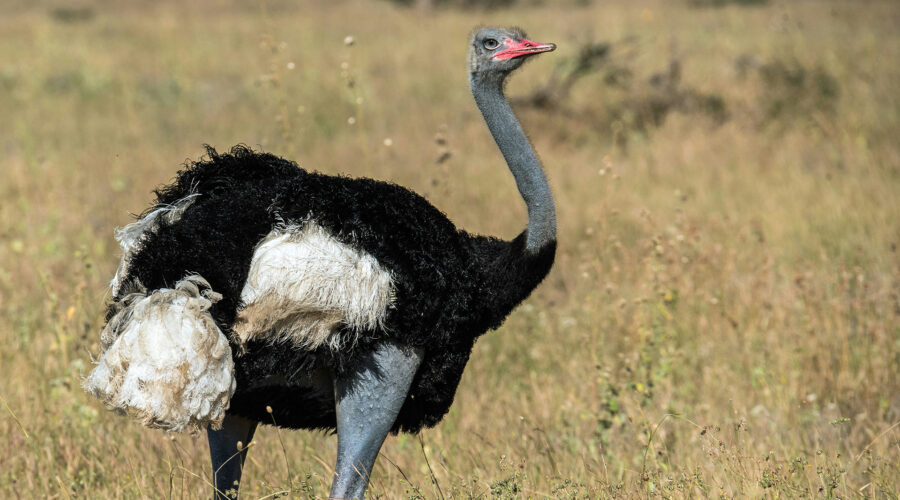
Meru National Park is one of Kenya’s best destinations for wildlife viewing. Its diverse habitats support a rich variety of mammals, including many of Africa’s most iconic species.
The park is one of the few places in Kenya where visitors can encounter all members of the Big Five, along with numerous other animals that thrive in the park’s riverine and savannah ecosystems.
Meru is also part of the conservation area known for protecting the Special Five, including the Grevy’s zebra and reticulated giraffe.
Meru National Park is a paradise for bird enthusiasts, with over 400 recorded bird species inhabiting its rivers, wetlands, forests, and grasslands.
The abundance of water throughout the park attracts both resident and migratory birds, making birdwatching rewarding year-round. Whether exploring riverbanks or open savannahs, visitors can encounter a remarkable variety of species.
The park’s rich birdlife makes it one of Kenya’s premier destinations for birdwatching safaris.
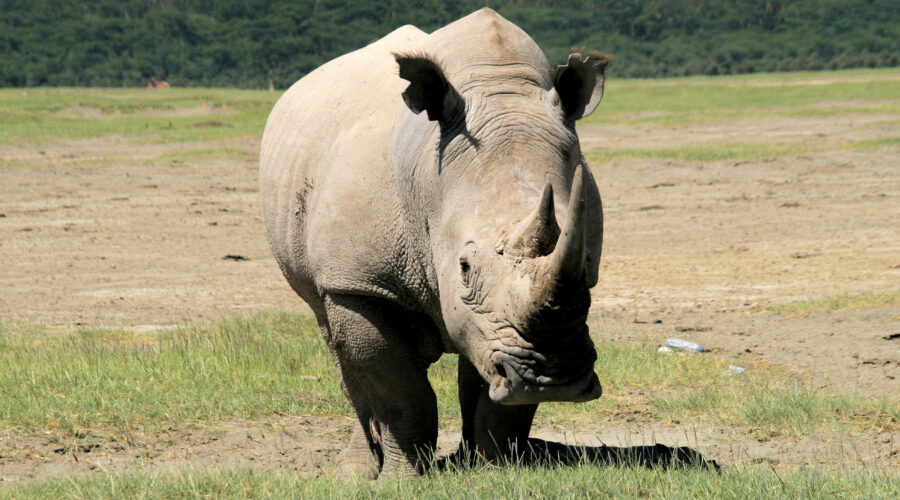
One of the major conservation successes within Meru National Park is its protected Rhino Sanctuary. Established to support the recovery of endangered rhino populations, the sanctuary provides a secure environment for both black and white rhinos.
Visitors have an excellent chance of seeing rhinos while exploring the sanctuary, making Meru one of Kenya’s top destinations for rhino viewing. The sanctuary plays an important role in national conservation efforts and contributes significantly to the survival of these iconic species.
Among the park’s hidden gems is Adamson’s Falls, named after George Adamson. The scenic waterfall offers visitors a peaceful location surrounded by natural beauty and historical significance.
Other attractions include river crossings, palm groves, swamps, and elevated viewpoints that showcase the park’s diverse landscapes. These natural features provide excellent opportunities for photography and nature exploration.
The combination of rivers, wildlife, and scenic beauty makes Meru one of Kenya’s most visually rewarding parks.
Game drives provide opportunities to observe wildlife across the park’s varied habitats, including savannahs, forests, and riverbanks.
Visitors can explore the Rhino Sanctuary and observe both black and white rhinos in a protected environment.
The park’s diverse ecosystems support hundreds of bird species, making it a rewarding destination for bird enthusiasts.
Wildlife, rivers, waterfalls, and dramatic landscapes create exceptional photography opportunities.
Visitors can learn about the legacy of George and Joy Adamson and the story of Elsa the Lioness.
The park’s rivers, forests, and viewpoints offer endless opportunities for exploration and relaxation.
Meru National Park has undergone a remarkable transformation over the years. Following periods of poaching and wildlife decline, extensive conservation efforts have restored wildlife populations and improved habitat protection.
Today, the park is recognized as one of Kenya’s leading conservation success stories. Ongoing initiatives focus on wildlife monitoring, anti-poaching operations, habitat restoration, and community engagement.
These efforts have helped rebuild populations of elephants, rhinos, lions, and other key species while ensuring the long-term sustainability of the ecosystem.
Visitors to Meru National Park are required to pay entry fees administered by the Kenya Wildlife Service (KWS).
| Visitor Category | Adult | Child/Student |
|---|---|---|
| East African Citizen | KES 800 | KES 500 |
| Kenya Resident | KES 1,100 | KES 675 |
| Other African Citizen | USD 40 | USD 20 |
| Non-Resident | USD 70 | USD 40 |
| Service | Details |
|---|---|
| Park Management | Kenya Wildlife Service (KWS) |
| Best Time to Visit | June–October and January–March |
| Main Attractions | Rhino Sanctuary, Adamson’s Falls, rivers, wildlife viewing |
| Activities | Game drives, birdwatching, photography, nature exploration |
| Recommended Stay | 2–3 days |
| Accessibility | Accessible by road from Nairobi and via nearby airstrips |
| Payment Method | eCitizen and approved KWS cashless payment platforms |
Entry fees are subject to change by the Kenya Wildlife Service (KWS). Visitors should confirm current rates before travel.
The best time to visit Meru National Park is during the dry seasons from June to October and January to March.
During these months, wildlife is easier to spot as animals gather around rivers and water sources. Road conditions are generally favorable, making exploration more comfortable.
The rainy seasons bring lush vegetation and excellent birdwatching opportunities, transforming the park into a vibrant green landscape ideal for photography.
Meru National Park combines rich wildlife, stunning landscapes, conservation history, and authentic safari experiences into one extraordinary destination. From the famous legacy of Elsa the Lioness and the thriving Rhino Sanctuary to its lush rivers and diverse ecosystems, the park offers a unique perspective on Kenya’s natural heritage.
Whether you are interested in wildlife viewing, birdwatching, photography, or conservation, Meru National Park provides an unforgettable adventure away from the crowds. Its remarkable biodiversity, scenic beauty, and historical significance make it one of Kenya’s finest national parks and a must-visit destination for nature lovers.