The Masai Mara National Reserve is Kenya’s most iconic wildlife destination and one of the finest safari locations in the world. Renowned for its incredible wildlife density, breathtaking landscapes, and the world-famous Great Wildebeest Migration, the reserve attracts travellers, photographers, conservationists, and wildlife enthusiasts from every corner of the globe.
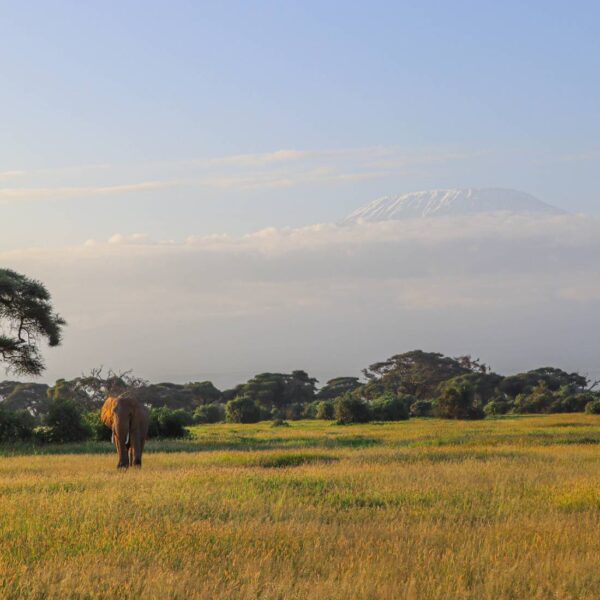
Located in Narok County in southwestern Kenya, the Masai Mara covers approximately 1,510 square kilometres of rolling savannah, acacia woodlands, riverine forests, and open grasslands. Together with Tanzania’s Serengeti National Park, it forms the vast Mara-Serengeti Ecosystem, one of the most important wildlife conservation areas on Earth.
Whether you dream of witnessing thousands of wildebeest crossing crocodile-filled rivers, spotting the Big Five during a game drive, soaring above the plains in a hot air balloon, or immersing yourself in Maasai culture, the Masai Mara offers an unforgettable African safari experience.
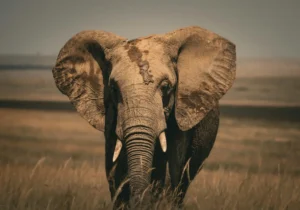
The Masai Mara National Reserve is Kenya’s flagship safari destination and one of Africa’s most celebrated protected areas. Established in 1961, the reserve was created to protect the region’s extraordinary wildlife populations and preserve one of East Africa’s most important ecosystems.
The reserve derives its name from the Maasai people, the traditional inhabitants of the area, and the Mara River, which flows through the reserve and serves as a lifeline for wildlife. The word “Mara” means “spotted” in the Maasai language, a reference to the scattered acacia trees, shrubs, and wildlife that dot the landscape.
Today, the reserve is recognised as one of the best places in Africa to observe wildlife in its natural habitat.
Masai Mara National Reserve is situated in southwestern Kenya, approximately 270 kilometres from Nairobi, near the Tanzanian border.
The reserve forms the northern section of the larger Serengeti-Mara ecosystem, allowing wildlife to move freely between Kenya and Tanzania. It is bordered by several community conservancies that provide additional wildlife habitats and support sustainable tourism.
Visitors can access the reserve by road from Nairobi in about five to six hours or by scheduled flights that land at various airstrips throughout the reserve.
The Masai Mara is internationally famous for its exceptional wildlife viewing and the annual Great Wildebeest Migration, often referred to as the greatest wildlife spectacle on Earth.
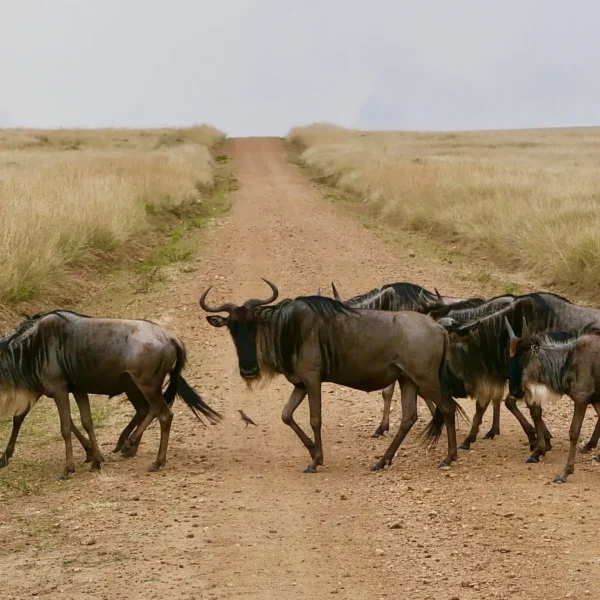
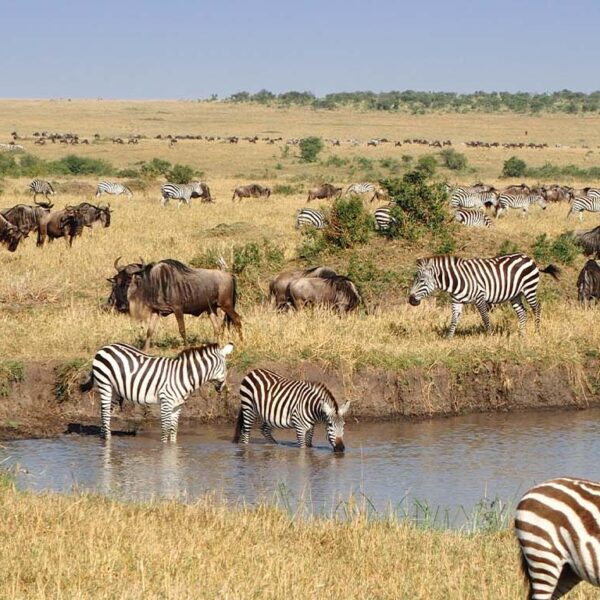
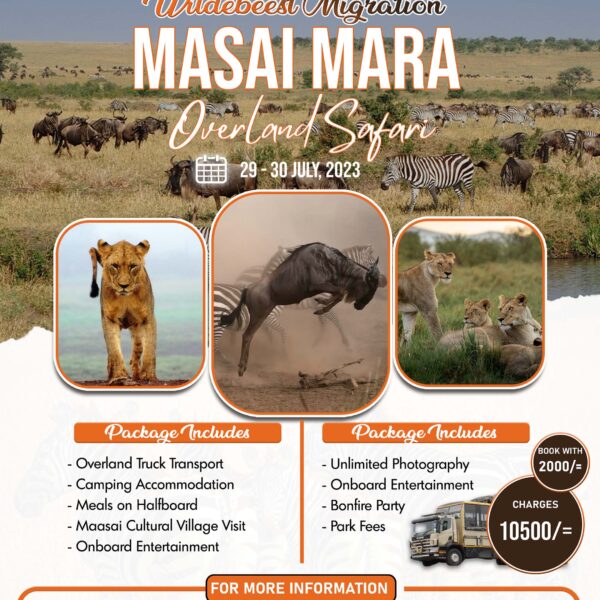
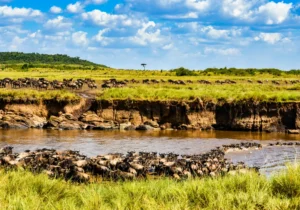
Every year, between July and October, more than 1.5 million wildebeest, along with hundreds of thousands of zebras and gazelles, migrate from Tanzania’s Serengeti into the Masai Mara in search of fresh grazing.
The dramatic crossings of the Mara River attract predators and create unforgettable scenes of survival and natural drama. These crossings have become some of the most photographed wildlife events in the world.
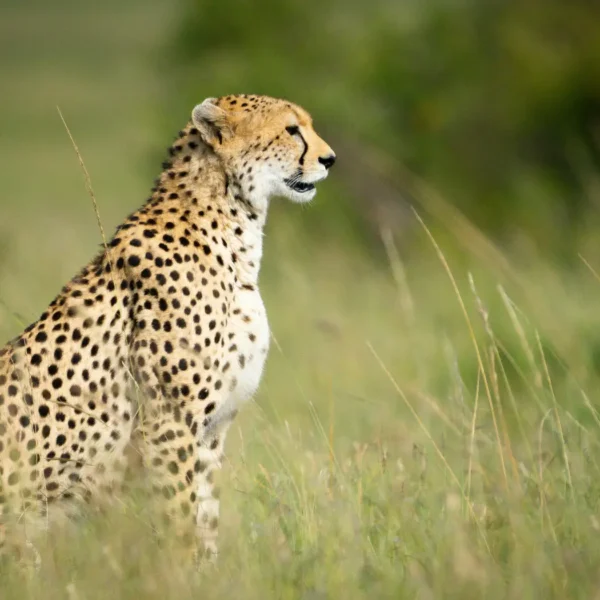
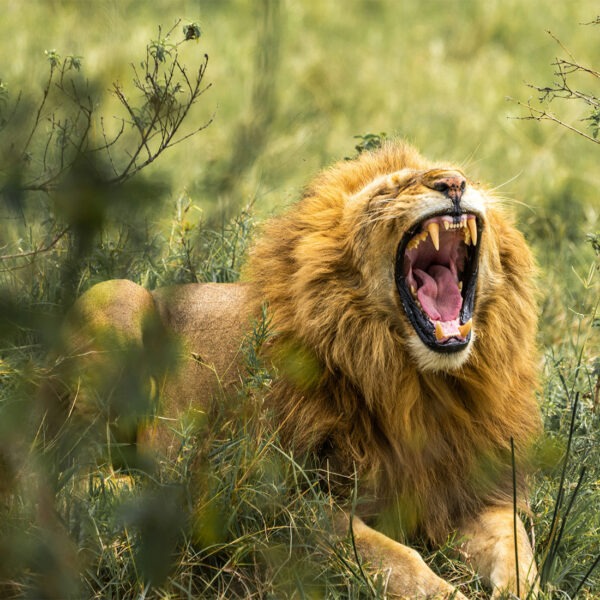
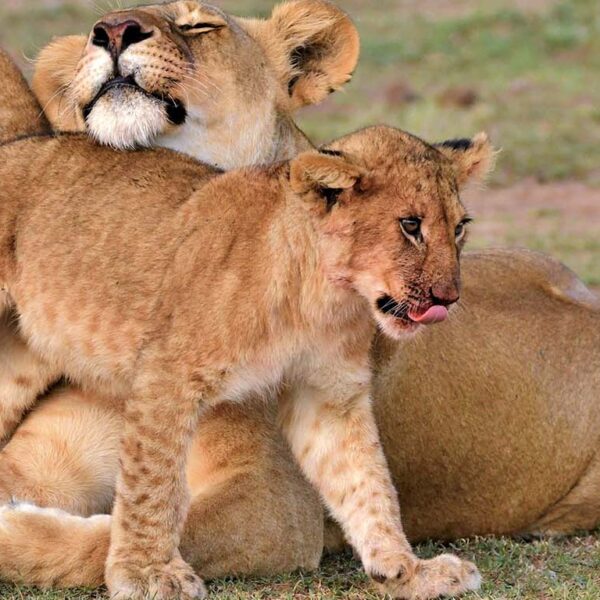
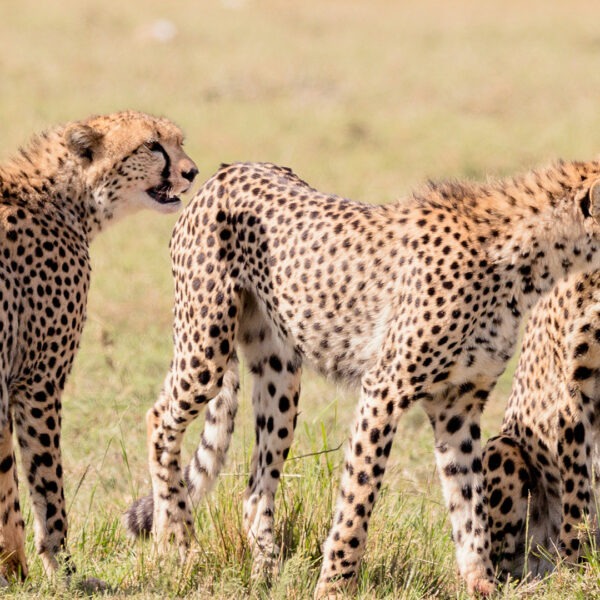
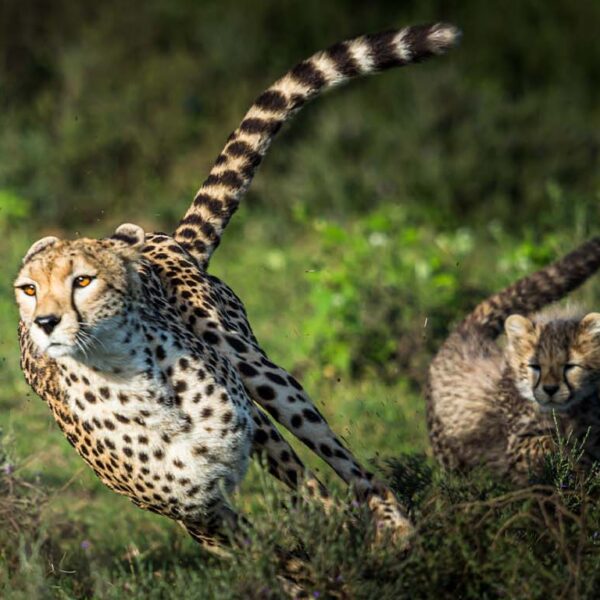
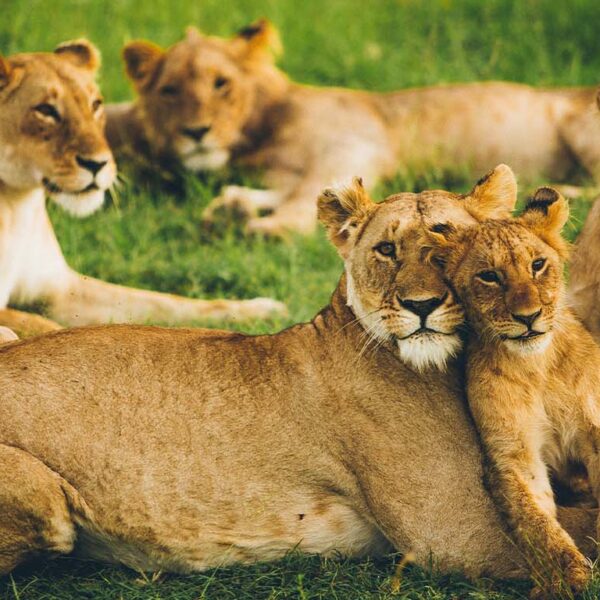
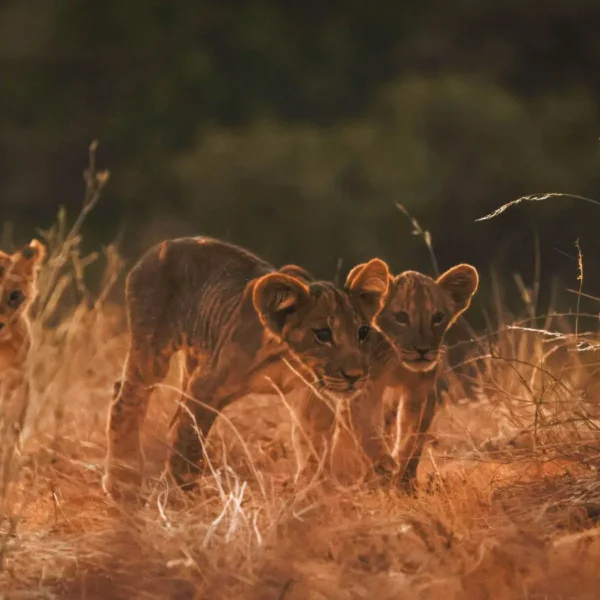
Beyond the migration, the reserve is renowned for its high predator density, including lions, leopards, cheetahs, and hyenas.
The Masai Mara offers some of the best wildlife viewing opportunities anywhere in Africa.
The reserve supports a remarkable diversity of animals, including large herbivores, apex predators, and numerous smaller mammals. Wildlife is abundant throughout the year, making every safari rewarding regardless of season.
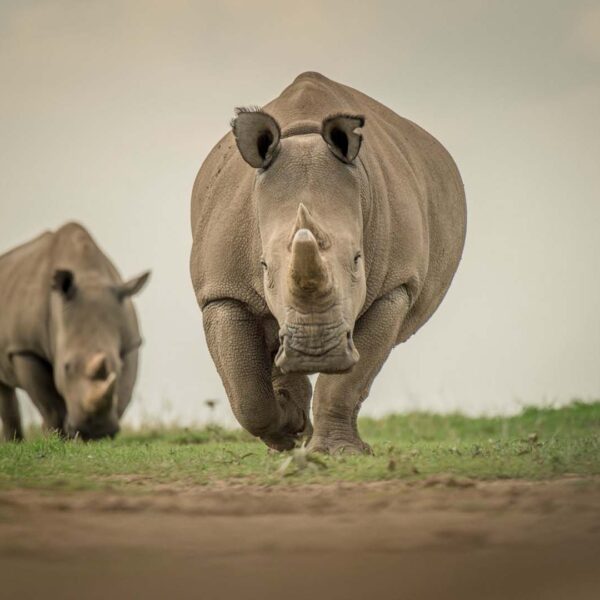
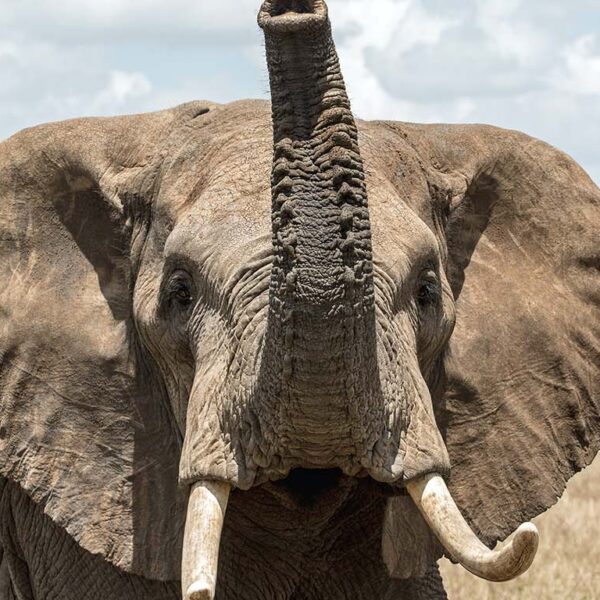
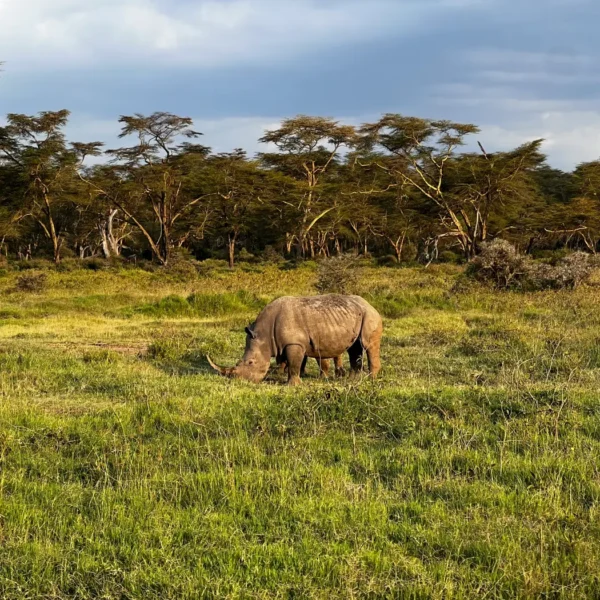
One of the main attractions of the Masai Mara is the opportunity to see the Big Five:
The reserve is one of the few places in Africa where visitors have a realistic chance of spotting all five species during a single safari.
The open grasslands make wildlife easy to spot, creating excellent opportunities for photography and observation.
The Great Wildebeest Migration is the most famous wildlife event associated with the Masai Mara.
Each year, over 1.5 million wildebeest, accompanied by zebras and gazelles, undertake a circular migration between the Serengeti and the Mara. Driven by rainfall and the search for fresh grazing, the migration is a continuous cycle of movement across the ecosystem.
The most dramatic moments occur when animals cross the Mara River. Here, they face strong currents, steep riverbanks, and hungry Nile crocodiles waiting beneath the surface.
For many travelers, witnessing a river crossing is the ultimate African safari experience.
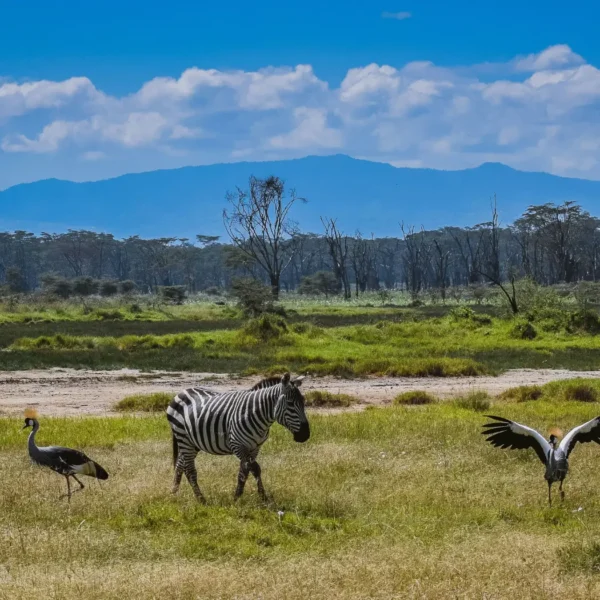
The Masai Mara is also one of Kenya’s premier birdwatching destinations, with more than 500 recorded bird species.
The reserve’s grasslands, wetlands, rivers, and forests support a wide variety of resident and migratory birds.
Birdwatching is excellent year-round, particularly around the Mara River and seasonal marshes.
Several factors distinguish the Masai Mara from other safari destinations.
The reserve offers one of the highest densities of large mammals in Africa, exceptional predator sightings, and year-round wildlife viewing. Unlike some parks where wildlife disperses widely, the Mara consistently delivers outstanding game-viewing experiences.
The combination of wildlife, spectacular landscapes, cultural heritage, luxury accommodations, and the Great Migration creates a safari destination that appeals to every type of traveler.
Its role within the Serengeti-Mara ecosystem further enhances its global importance for conservation.
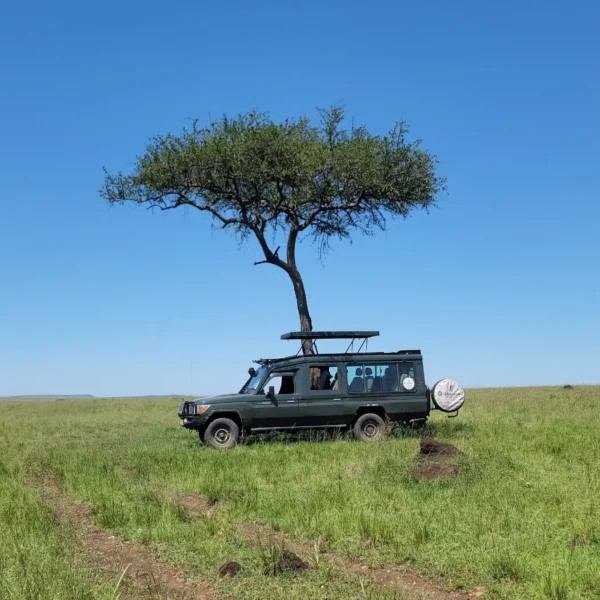
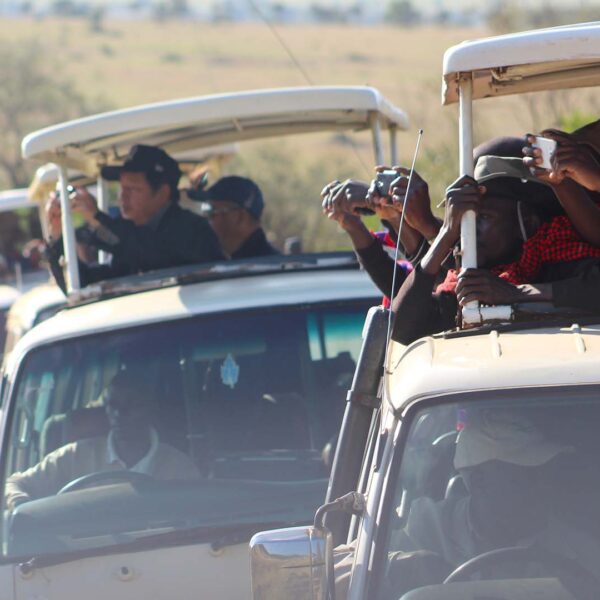
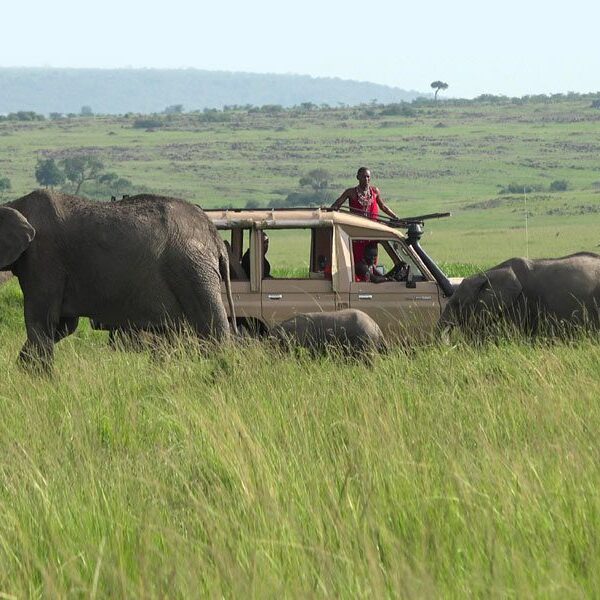
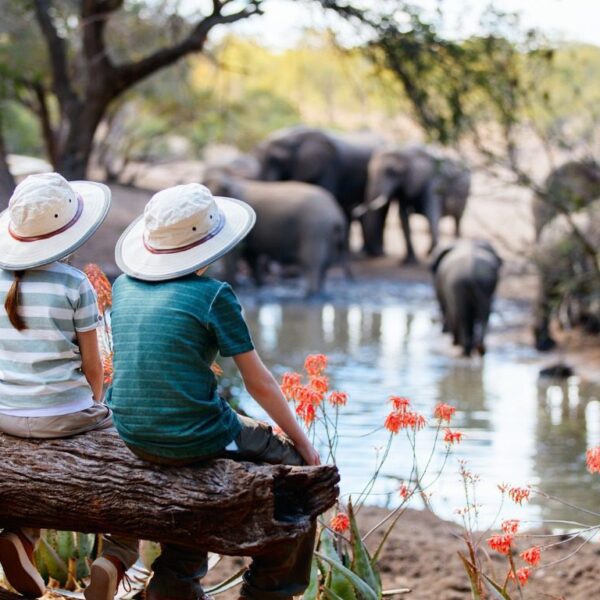
Game drives are the most popular activity and provide opportunities to observe wildlife throughout the reserve.
Few experiences compare to watching the sunrise over the Mara while floating silently above wildlife-filled plains.
The reserve is considered one of the world’s top destinations for wildlife photography.
The diversity of birdlife attracts enthusiasts from around the globe.
Visitors can learn about Maasai traditions through visits to local villages and cultural centers.
Available in some conservancies, walking safaris offer a deeper understanding of the ecosystem.
Witnessing a Mara River crossing remains one of the most sought-after safari experiences in Africa.
The Maasai people have lived alongside wildlife for generations and play a vital role in conservation efforts throughout the Mara ecosystem.
Many of the surrounding conservancies are community-owned, allowing local people to benefit directly from tourism while protecting wildlife habitats. This model has helped reduce habitat loss and support sustainable conservation.
Visitors often find cultural interactions with the Maasai among the most memorable aspects of their safari experience.
Visitors to the Masai Mara are required to pay conservation fees that support wildlife management and reserve operations.
| Category | Adult | Child | Student |
|---|---|---|---|
| Non-Resident (Inside Park) | USD 100 (Jan–Jun) / USD 200 (Jul–Dec) | USD 50 | USD 50 |
| Non-Resident (Outside Park) | USD 100 (Jan–Jun) / USD 200 (Jul–Dec) | USD 50 | USD 50 |
| East African Resident | KES 2,500 (Jan–Jun) / KES 5,000 (Jul–Dec) | KES 1,000 (Jan–Jun) / KES 2,000 (Jul–Dec) | KES 300 (Jan–Jun) / KES 500 (Jul–Dec) |
| Kenyan Citizen | KES 1,500 (Jan–Jun) / KES 3,000 (Jul–Dec) | KES 300 (Jan–Jun) / KES 500 (Jul–Dec) | KES 300 (Jan–Jun) / KES 500 (Jul–Dec) |
Park fees are subject to revision by the Narok County Government and reserve management authorities.
Travelers can reach the reserve by road or air.
Road transfers from Nairobi take approximately five to six hours, depending on road conditions. Scheduled flights operate daily from Wilson Airport in Nairobi to several airstrips across the reserve.
Flying significantly reduces travel time and offers spectacular aerial views of the Rift Valley and Mara plains.
The Masai Mara is a year-round safari destination, but the best time depends on what you hope to experience.
The peak migration season offers spectacular river crossings and exceptional wildlife viewing.
Dry conditions offer excellent game-viewing and photography opportunities.
The green season brings lush landscapes, fewer visitors, and outstanding birdwatching.
Wildlife remains abundant year-round, ensuring rewarding safaris regardless of when you visit.
The Masai Mara National Reserve remains the benchmark by which African safaris are measured. From the thunder of migrating wildebeest and dramatic predator encounters to breathtaking landscapes and rich cultural heritage, the reserve offers experiences that leave lasting memories.
Whether you are planning your first safari or returning to Africa for another adventure, the Masai Mara delivers unmatched wildlife encounters, exceptional hospitality, and some of the most spectacular natural wonders on the planet.