Craig the Elephant Is Dead: The Life and Legacy of Amboseli’s Greatest Super Tusker
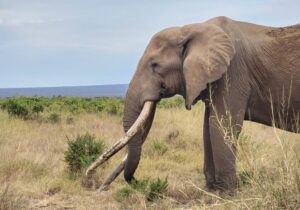
Craig the Elephant is dead, marking the end of one of the most significant wildlife stories in Kenya’s conservation history. One of Africa’s last surviving super tuskers, Craig, died naturally in Amboseli National Park after living for more than five decades. His passing marks the end of a remarkable chapter, defined by resilience, rare genetics, and the quiet success of long-term elephant protection in East Africa.
For decades, Craig was the most recognizable elephant in Amboseli National Park. His enormous ivory, calm presence, and advanced age made him a living emblem of what conservation, when sustained and protected, can achieve. The death of Craig the elephant is not simply the loss of an individual animal—it is the loss of a natural legacy that few landscapes on Earth can still claim.
Born Into an Era of Poaching
Craig was born around 1972, during one of the most perilous periods for African elephants. Across Kenya and Tanzania, ivory poaching was rampant, driven by international demand and weak enforcement. Large-tusked bulls were prime targets and rarely survived long enough to reach maturity. Many elephants born during this era never lived to adulthood, let alone old age.
Craig’s survival was extraordinary. As the years passed, his tusks continued to grow rather than being cut short by poachers’ bullets. His life became a quiet testament to both chance and change—chance in escaping early death, and change in the gradual strengthening of conservation measures in Amboseli. The story of Craig the elephant mirrors the wider story of elephant survival in East Africa, balancing on a thin line between loss and protection.
Why Craig Was a True Super Tusker
Craig earned the rare title of super tusker because each of his tusks weighed more than forty-five kilograms and curved dramatically toward the ground. Today, fewer than thirty elephants across Africa meet this definition, and nearly all are aged. Every super tusker lost brings the species closer to losing this extraordinary trait forever.
Large tusks are not just impressive—they represent rare genetic inheritance. Decades of selective poaching removed these genes from elephant populations, reshaping the species itself. Craig, therefore, carried biological value that extended far beyond his physical presence. The death of Craig the elephant highlights just how close Africa is to losing super tuskers entirely, not through extinction of elephants, but through erosion of their greatest traits.
Craig’s Behavior and Presence in Amboseli
Despite his immense size, Craig was known for his calm and predictable temperament. He showed remarkable tolerance toward safari vehicles and researchers and avoided unnecessary confrontation with other elephants. Younger bulls often gave him space, recognizing his age and authority.
Guides frequently described Craig as dignified and deliberate. He moved slowly, almost thoughtfully, allowing visitors to observe him without stress or disturbance. For many travelers, seeing Craig was the most powerful wildlife experience of their lives. His presence alone elevated Amboseli’s global reputation, turning the park into one of the best places in Africa to witness truly old elephants living freely.
Conservation Lessons From Craig’s Life
Craig was closely monitored by conservationists and researchers throughout his life. His movements, health, and aging process provided rare long-term data on elephant survival within a protected ecosystem. Very few elephants in Africa have been observed with such consistency over such a long period.
Beyond science, Craig became a global symbol of conservation. His photographs traveled the world, silently communicating a powerful message: when elephants are protected, they can live full, natural lives. That Craig the elephant died of natural causes is, in itself, a conservation success—especially considering the threats he faced in his early years.
The Death of Craig the Elephant and Its Meaning
The death of Craig the elephant represents both profound loss and meaningful progress. Neither was he killed by poachers nor did he die fleeing danger. He lived free until the end. That outcome reflects decades of ranger dedication, community involvement, and sustained conservation investment in Amboseli.
At the same time, his passing is a warning. Each remaining super tusker is irreplaceable. Once gone, the genetics, the presence, and the history they carry vanish with them. Without unwavering protection, elephants like Craig will disappear completely from the African landscape.
Craig’s Legacy and the Responsibility He Leaves Behind
Craig leaves behind more than memories or photographs. He leaves responsibility. His life proves that conservation can succeed—but only when it is constant, funded, and fiercely defended. The loss of Craig the elephant should deepen commitment to protecting the remaining super tuskers and the fragile ecosystems they depend on.
Future generations may never witness elephants of his stature unless conservation efforts remain uncompromising. Craig walked freely until his final day. That is his legacy—and it must not be wasted.