Big Five Animals in Kenya: Where to See Africa’s Most Iconic Wildlife
Kenya is one of the best safari destinations in the world, offering visitors the opportunity to encounter some of Africa’s most remarkable wildlife. Among the countless animals that roam the country’s national parks and reserves, none are more famous than the Big Five. Originally a term used by hunters to describe the five most difficult animals to hunt on foot, the Big Five today represent the ultimate wildlife viewing experience for safari travelers.
The Big Five Animals in Kenya include the lion, leopard, elephant, buffalo, and rhinoceros. These iconic species are among the most sought-after sightings on any African safari and can be found in several of Kenya’s protected areas.
Whether you are planning your first safari or hoping to complete your Big Five checklist, Kenya offers some of the best wildlife viewing opportunities anywhere in Africa.
What Are the Big Five Animals?
The term Big Five refers to five large African mammals that were historically considered the most challenging and dangerous animals to hunt on foot.
Today, the phrase is used by wildlife enthusiasts and safari operators to describe the most iconic animals visitors hope to see during an African safari.
The Big Five Animals
- Lion
- Leopard
- African Elephant
- African Buffalo
- Rhinoceros (Black Rhino and White Rhino)
These species have become symbols of African wildlife conservation and attract millions of safari visitors every year.
Why Are They Called the Big Five Animals?
One of the biggest misconceptions about the Big Five is that the name refers to Africa’s largest animals. In reality, the term has nothing to do with size. It originated during the colonial hunting era and was used by big-game hunters to identify the five most difficult and dangerous animals to hunt on foot.
These animals earned their reputation for being extremely aggressive, unpredictable, or difficult to track in the wild. Hunting them required exceptional skill and carried considerable risk, making them the most respected trophies among hunters of the time. Today, the meaning has shifted away from hunting and toward wildlife conservation and safari tourism, where the goal is to photograph rather than hunt these magnificent creatures.
Why Each Animal Made the Big Five List
| Animal | Why It Was Considered Dangerous |
|---|---|
| Lion | A powerful predator capable of defending itself aggressively when threatened. |
| Leopard | Highly elusive, intelligent, and known for sudden attacks when cornered. |
| African Elephant | Massive in size and capable of charging with tremendous force. |
| African Buffalo | Notoriously unpredictable and known to confront threats directly. |
| Rhinoceros | Extremely powerful and capable of aggressive charges when disturbed. |
Interestingly, some of Africa’s largest animals, including the hippopotamus and giraffe, are not part of the Big Five. The classification was based entirely on the difficulty and danger of hunting these animals on foot rather than their physical size.
Today, the Big Five are among Africa’s most protected wildlife species and remain the highlight of countless safaris across Kenya.
Why Are the Big Five Animals So Famous?
The Big Five are famous because they represent the ultimate African safari experience.
Each species possesses unique characteristics that make it fascinating to observe in the wild. Lions are powerful predators, leopards are elusive hunters, elephants are the largest land mammals on Earth, buffaloes are known for their strength, and rhinos are among Africa’s most endangered animals.
Together, they showcase the incredible diversity of Kenya’s wildlife and ecosystems.
Where Can You See the Big Five Animals in Kenya?
Several national parks and reserves in Kenya offer excellent opportunities to see all members of the Big Five.
Best Places to See the Big Five in Kenya
| Park or Reserve | Lion | Leopard | Elephant | Buffalo | Rhino |
|---|---|---|---|---|---|
| Masai Mara National Reserve | ✓ | ✓ | ✓ | ✓ | ✓ |
| Amboseli National Park | ✓ | Occasional | ✓ | ✓ | Rare |
| Lake Nakuru National Park | ✓ | Occasional | No | ✓ | ✓ |
| Nairobi National Park | ✓ | ✓ | No | ✓ | ✓ |
| Tsavo East National Park | ✓ | ✓ | ✓ | ✓ | Rare |
| Tsavo West National Park | ✓ | ✓ | ✓ | ✓ | ✓ |
| Meru National Park | ✓ | ✓ | ✓ | ✓ | ✓ |
| Ol Pejeta Conservancy | ✓ | ✓ | ✓ | ✓ | ✓ |
The Masai Mara remains the most popular destination for travelers hoping to spot all five species.
African Lion
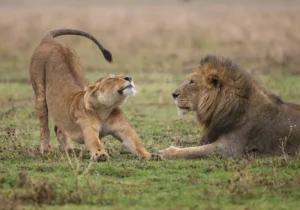
The African lion (Panthera leo) is one of the most recognizable animals in the world and a symbol of Africa’s untamed wilderness. As the largest predators in many of Kenya’s ecosystems, lions play a vital role in maintaining ecological balance by controlling herbivore populations, including zebras, wildebeest, and buffalo. Lions are highly adaptable and thrive in Kenya’s grasslands, savannahs, and open plains, where they can take advantage of abundant prey. Their powerful build, majestic appearance, and position at the top of the food chain have earned them the title “King of the Savannah.” For many travelers, seeing a lion in the wild is the highlight of a Kenyan safari.
What Makes the African Lion Special?
The African lion is unique because it is the only big cat that lives in organized social groups called prides. These family units typically consist of related females, cubs, and a coalition of males that work together to protect territory. Lionesses are skilled hunters and often cooperate to capture large prey, demonstrating remarkable teamwork. Male lions are easily recognized by their impressive manes, which vary in color and size. Lions also possess one of the most powerful roars in the animal kingdom, capable of being heard several kilometers away. Their social behavior, hunting strategies, and commanding presence make them one of Africa’s most fascinating wildlife species.
Where Can You See Lions in Kenya?
- Masai Mara National Reserve
- Amboseli National Park
- Tsavo East National Park
- Tsavo West National Park
- Nairobi National Park
- Meru National Park
Leopard
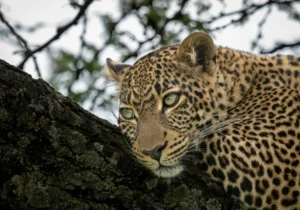
The African leopard (Panthera pardus) is the most elusive member of the Big Five and one of Africa’s most successful predators. Leopards are found across a wide range of habitats, including forests, savannahs, mountains, and riverine woodlands. Unlike lions, they are solitary animals that spend much of their time alone. Their distinctive golden coat covered in rosette-shaped markings provides excellent camouflage, allowing them to blend seamlessly into their surroundings. Leopards are incredibly adaptable hunters and feed on everything from small mammals and birds to large antelopes. Spotting a leopard in the wild requires patience, making every sighting a memorable safari achievement.
What Makes the African Leopard Special?
Leopards are renowned for their stealth, strength, and intelligence. They are exceptional climbers and often drag prey into trees to keep it out of reach of scavengers such as hyenas and lions. Despite weighing significantly less than many of their prey species, leopards possess remarkable strength and agility. They are primarily nocturnal hunters, relying on camouflage and patience to ambush their targets. Unlike cheetahs, which depend on speed, leopards focus on surprise and precision. Their secretive behavior and ability to remain hidden even in areas with high wildlife density make them among the most challenging and rewarding animals to observe on safari.
Where Can You See Leopards in Kenya?
- Masai Mara National Reserve
- Samburu National Reserve
- Meru National Park
- Tsavo West National Park
- Ol Pejeta Conservancy
African Elephant
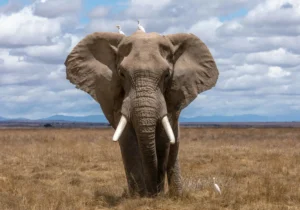
The African elephant (Loxodonta africana) is the largest land mammal on Earth and one of Kenya’s most beloved wildlife species. Adult bulls can weigh more than six tons and stand over three meters tall at the shoulder. Elephants are highly social animals that live in family groups led by experienced matriarchs. These gentle giants are known for their intelligence, strong family bonds, and complex communication methods. Kenya is home to some of Africa’s most famous elephant populations, including the legendary super tuskers whose enormous tusks nearly touch the ground. Watching elephants interact in the wild is one of the most rewarding safari experiences.
What Makes the African Elephant Special?
African elephants are among the most intelligent animals on the planet. They demonstrate problem-solving skills, emotional awareness, cooperation, and remarkable memory. Their social structures are built around strong family relationships, with older females guiding herds to food and water sources. Elephants are also known as ecosystem engineers because they shape habitats by dispersing seeds, creating pathways through vegetation, and digging water holes used by other wildlife. Their trunks contain thousands of muscles and serve multiple functions, including feeding, drinking, communication, and defense. These extraordinary qualities make elephants one of the most fascinating species in Africa.
Where Can You See Elephants in Kenya?
- Amboseli National Park
- Tsavo East National Park
- Tsavo West National Park
- Samburu National Reserve
- Meru National Park
African Buffalo
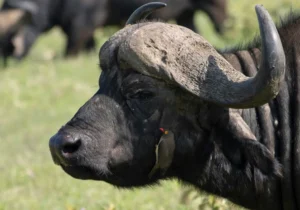
The African buffalo (Syncerus caffer) is one of the most powerful and resilient animals in Africa. Often overshadowed by lions and elephants, buffaloes are nevertheless among the most respected members of the Big Five. They are highly adaptable and can thrive in grasslands, forests, wetlands, and savannah ecosystems. Buffaloes usually live in large herds that provide protection against predators. Their muscular build, heavy horns, and unpredictable nature make them formidable opponents. Despite being herbivores, buffaloes are known for their willingness to defend themselves and other herd members when threatened.
What Makes the African Buffalo Special?
The African buffalo has earned a reputation as one of Africa’s most dangerous animals due to its unpredictable behavior and strength. Unlike many prey species that flee from predators, buffaloes often stand their ground and may even charge when threatened. Herd members work together to protect calves and injured individuals, demonstrating impressive social cooperation. Mature males possess a distinctive horn structure called a boss, which forms a protective shield across the forehead. Buffaloes have successfully defended themselves against lions on countless occasions, making them one of the most respected animals in the African wilderness.
Where Can You See Buffaloes in Kenya?
- Masai Mara National Reserve
- Lake Nakuru National Park
- Nairobi National Park
- Tsavo West National Park
- Meru National Park
Rhinoceros
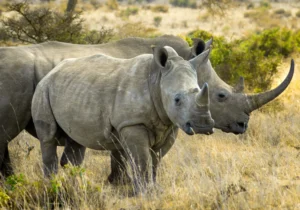
The rhinoceros is one of Africa’s most iconic and endangered animals. Kenya is home to both the black and white rhinoceroses, with black rhinos more widespread in protected areas. Rhinos have existed for millions of years and are often described as living relics of the prehistoric world. Their massive bodies, thick skin, and distinctive horns make them instantly recognizable. Unfortunately, rhino populations declined dramatically during the twentieth century due to poaching and habitat loss. Today, Kenya is a global leader in rhino conservation and protects some of Africa’s most important rhino populations.
What Makes the Rhinoceros Special?
Rhinos are among the most remarkable conservation success stories in Africa. Despite their enormous size, they can run up to 50 kilometers per hour when threatened. Black rhinos are known for their solitary nature and hooked upper lip, which helps them browse shrubs and bushes. White rhinos are generally larger and more social, preferring to graze on grasslands. Rhinos have poor eyesight but possess an exceptional sense of smell and excellent hearing. Their survival depends heavily on ongoing conservation efforts, making every rhino sighting a reminder of the importance of protecting Africa’s endangered wildlife.
Where Can You See Rhinos in Kenya?
- Nairobi National Park
- Lake Nakuru National Park
- Ol Pejeta Conservancy
- Lewa Wildlife Conservancy
- Tsavo West National Park
- Meru National Park
These destinations offer some of the best opportunities in Africa to observe both black and white rhinos in protected habitats.
How Long Does It Take to See the Big Five in Kenya?
The amount of time needed to see all members of the Big Five depends on the parks you visit, the season of travel, and a bit of luck. While Kenya offers some of Africa’s best wildlife viewing, not all Big Five animals are equally easy to find. Lions, elephants, and buffaloes are commonly seen in many national parks, while leopards and rhinos often require more patience and targeted game drives.
In wildlife-rich destinations such as the Masai Mara National Reserve, experienced guides can sometimes help visitors spot all five animals within just a few days. However, because leopards are naturally elusive and rhinos are concentrated in specific protected areas, travelers should not expect guaranteed sightings in a single location.
For the best chance of seeing the Big Five, a safari of 4 to 7 days is generally recommended. This allows sufficient time to explore multiple habitats and maximize wildlife viewing opportunities.
What Is the Best Time to See the Big Five Animals in Kenya?
The Big Five animals in Kenya can be seen year-round, but wildlife viewing is typically best during the dry seasons.
Best Safari Seasons
- June to October
- January to March
During these months, vegetation is less dense, and animals gather around water sources, making them easier to locate.
The Great Migration season from July to October also offers exceptional opportunities to see predators such as lions and leopards in action.
Why Are the Big Five Important for Conservation?
The Big Five are more than just safari attractions. They play vital roles in maintaining healthy ecosystems and generating tourism revenue that supports conservation efforts.
Protecting these species helps conserve entire habitats and countless other plants and animals that share the same ecosystems. Conservation programs focused on rhinos, elephants, and large predators have contributed significantly to wildlife protection across Kenya.
Responsible tourism also helps provide economic benefits to local communities living near protected areas.
Conclusion
The Big Five Animals in Kenya represent the pinnacle of the African safari experience. From the powerful lion and elusive leopard to the majestic elephant, resilient buffalo, and endangered rhinoceros, these remarkable animals showcase the incredible diversity of Kenya’s wildlife.
Understanding why they are called the Big Five adds even greater appreciation for their place in Africa’s history and conservation story. Today, these animals symbolize the success of wildlife protection efforts and continue to inspire travelers from around the world.
Whether you choose the Masai Mara, Amboseli, Tsavo, Meru, or one of Kenya’s renowned conservancies, encountering the Big Five in their natural habitat is an experience that few travelers ever forget.