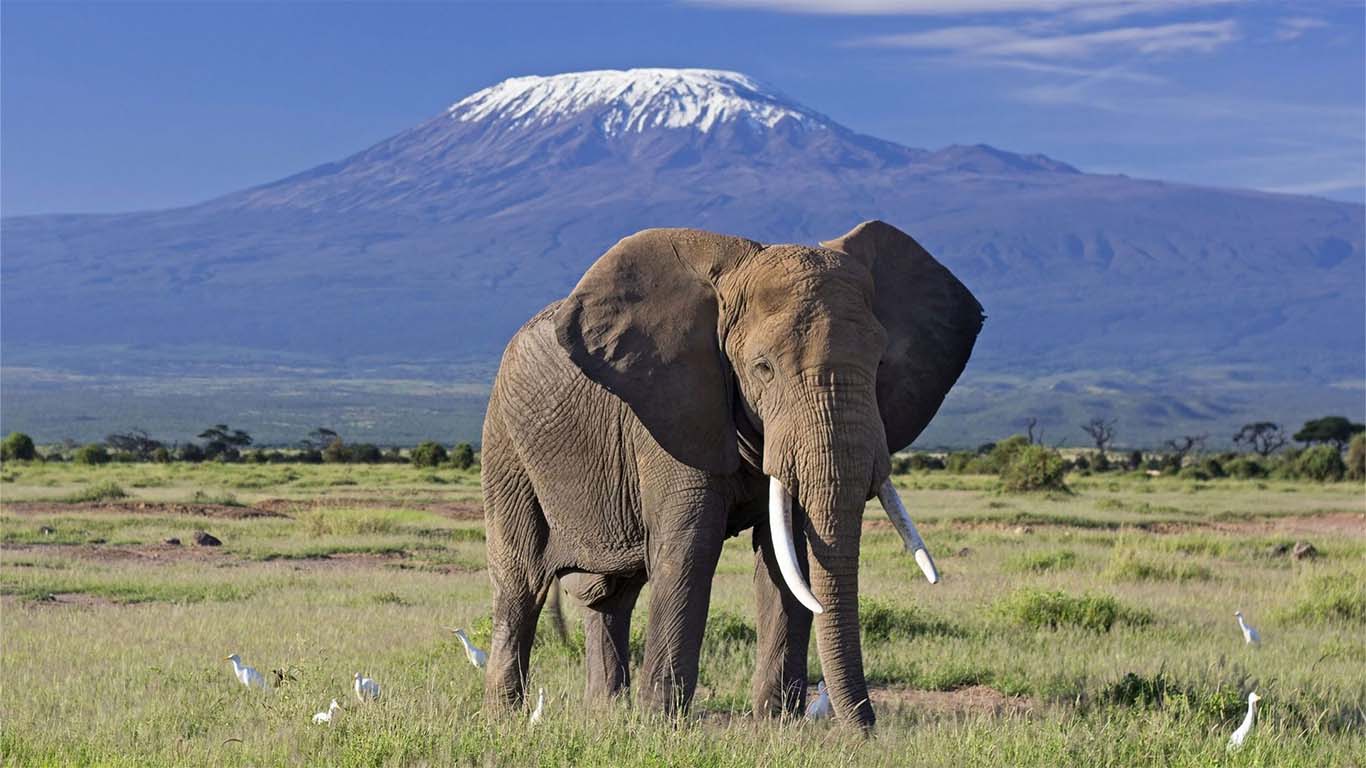
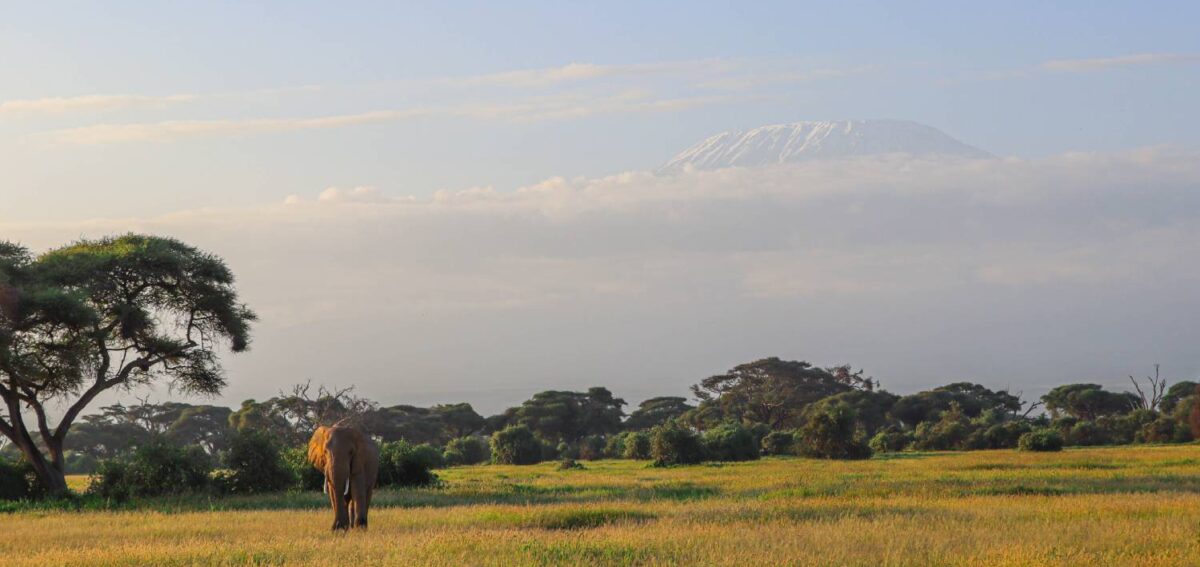
Amboseli National Park stands out as one of Kenya’s most iconic safari destinations, offering a blend of dramatic scenery, rich wildlife, and cultural experiences. Located in Kajiado County near the Kenya–Tanzania border, the park covers approximately 392 square kilometers of varied terrain. It is especially famous for its breathtaking views of Mount Kilimanjaro, Africa’s highest peak, which rises just across the border in Tanzania. On clear days, the snow-capped mountain creates a stunning backdrop that defines the Amboseli experience.
The name “Amboseli” comes from a Maasai word meaning “salty dust,” a reflection of the park’s dry, semi-arid environment. However, despite its dusty plains, the park supports a surprisingly rich ecosystem. Underground water from Mount Kilimanjaro feeds a network of swamps, which attract wildlife throughout the year. As a result, Amboseli offers consistent game viewing and remains one of the best places in Africa to see elephants up close.
Wildlife and Birdwatching in Amboseli
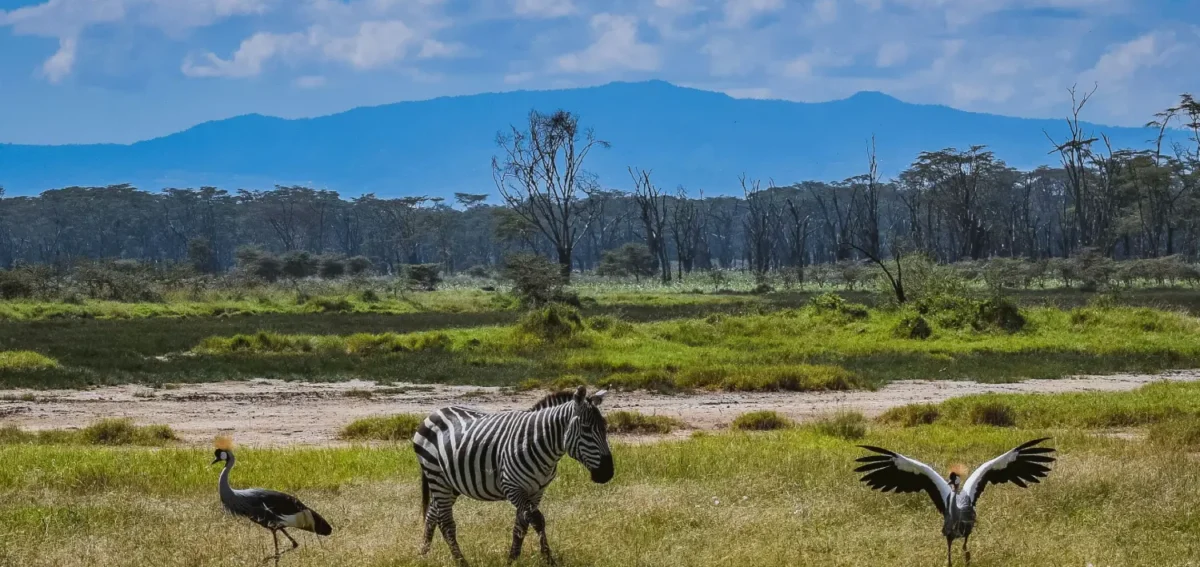
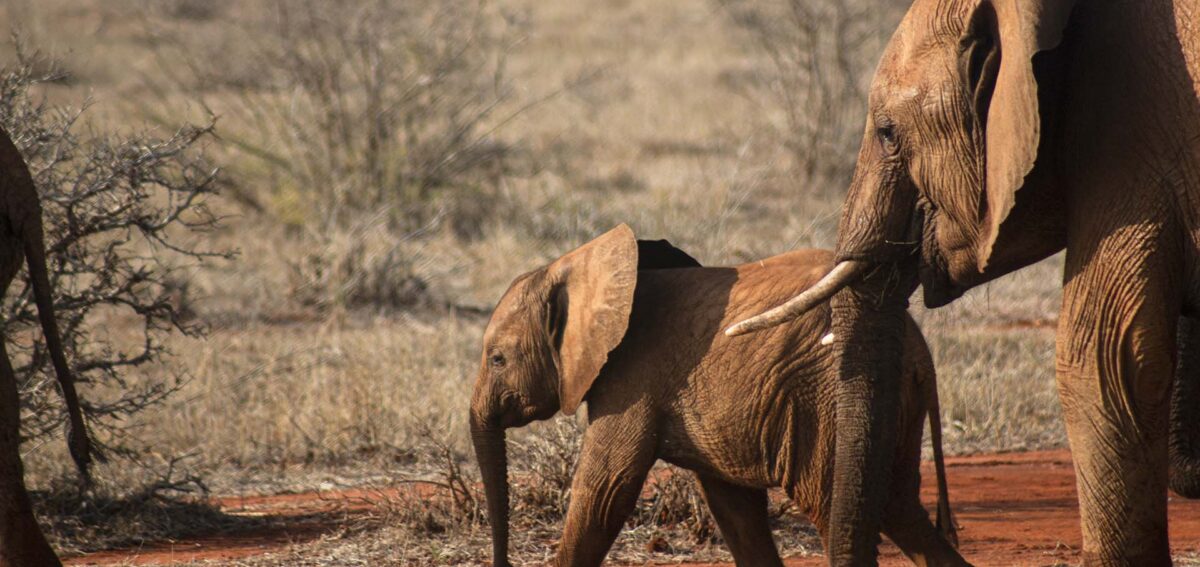
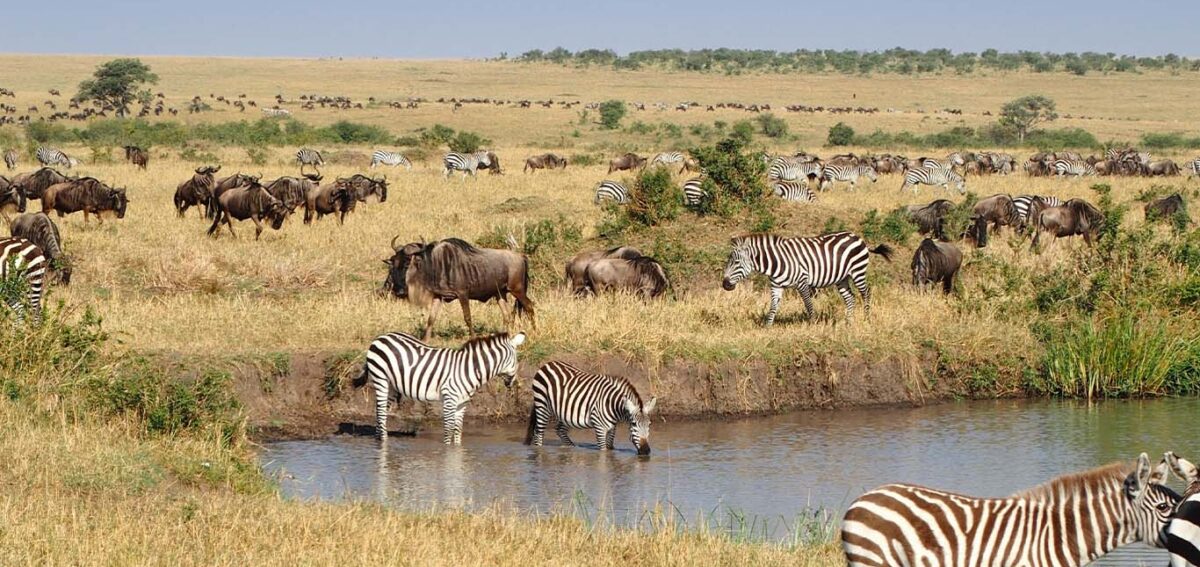
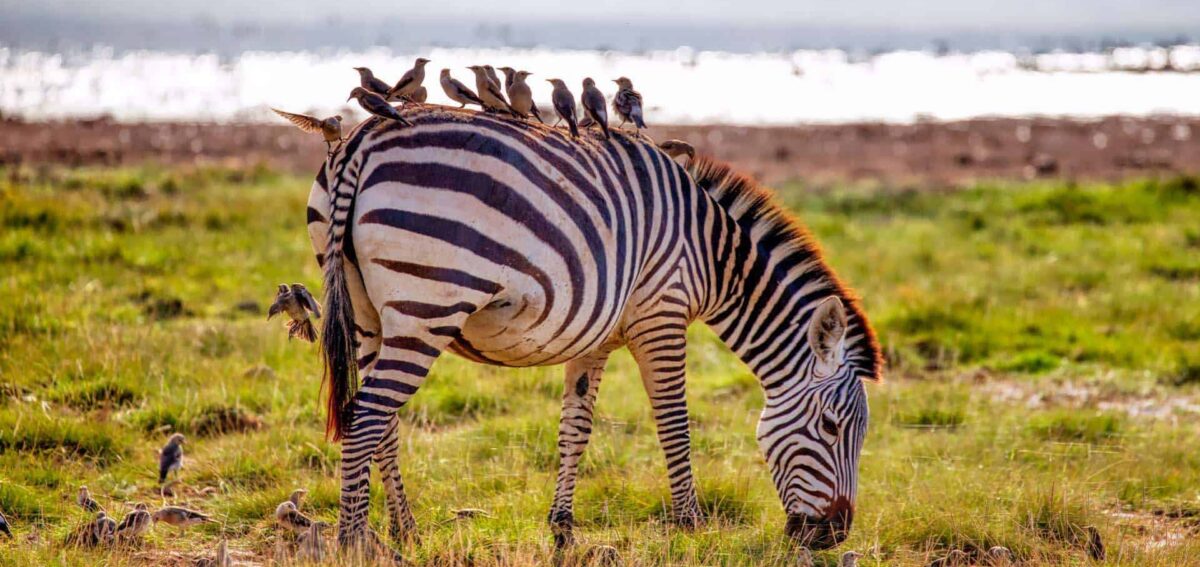
Amboseli is widely known for its large elephant herds, often seen walking gracefully across the plains with Kilimanjaro in the background. These elephants are among the most studied in the world, making sightings both common and fascinating. In addition to elephants, the park is home to lions, cheetahs, hyenas, buffaloes, giraffes, zebras, and hippos, creating a diverse and dynamic wildlife environment.
Bird lovers will also find Amboseli rewarding, with over 400 bird species recorded in the park. The swamps and wetlands attract flamingos, pelicans, herons, and other water birds, while the open plains host species like ostriches and birds of prey. Because of this variety, Amboseli appeals to both casual visitors and dedicated birdwatchers.
Landscapes and Unique Ecosystem
Amboseli’s landscape combines open savannah, acacia woodlands, wetlands, and dry lake beds, each contributing to a unique safari experience. The seasonal swamps play a critical role, especially during dry periods when animals gather around water sources. Meanwhile, the dry bed of Lake Amboseli adds a dramatic and ever-changing visual element to the park.
The park’s position at the base of Mount Kilimanjaro enhances its beauty and makes it one of the most photogenic locations in Africa. Early mornings and late afternoons often provide the clearest mountain views, along with the best lighting for photography.
Maasai Culture and Local Experience
A visit to Amboseli goes beyond wildlife, offering meaningful interaction with the Maasai community. The Maasai people live around the park and maintain strong cultural traditions. Visitors can explore local villages, learn about their way of life, and experience traditional dances and storytelling.
These cultural encounters provide deeper insight into the relationship between people, land, and wildlife. As a result, your safari becomes more than just a visual experience—it becomes a cultural journey as well.
Accommodation Options in Amboseli National Park
Amboseli offers a wide range of accommodation options to suit different budgets and travel styles. Whether you prefer luxury lodges or mid-range camps, you’ll find comfortable places to stay within or near the park.
Many of these accommodations provide excellent views of Mount Kilimanjaro and easy access to wildlife areas. In addition, most lodges organize game drives and guided activities, making your stay convenient and immersive.
How to Get to Amboseli National Park
Getting to Amboseli National Park is relatively straightforward, with both road and air travel options available. If you’re traveling from Nairobi, the park is about 230 kilometers away, and the drive takes approximately 4 to 5 hours, depending on the route and road conditions. The most common route passes through Namanga or Emali, offering scenic views along the way.
For a quicker and more comfortable option, you can choose to fly. Several domestic airlines operate scheduled flights from Nairobi’s Wilson Airport to airstrips near Amboseli, such as Amboseli Airstrip. The flight typically takes about 40 to 50 minutes, making it ideal for travelers with limited time.
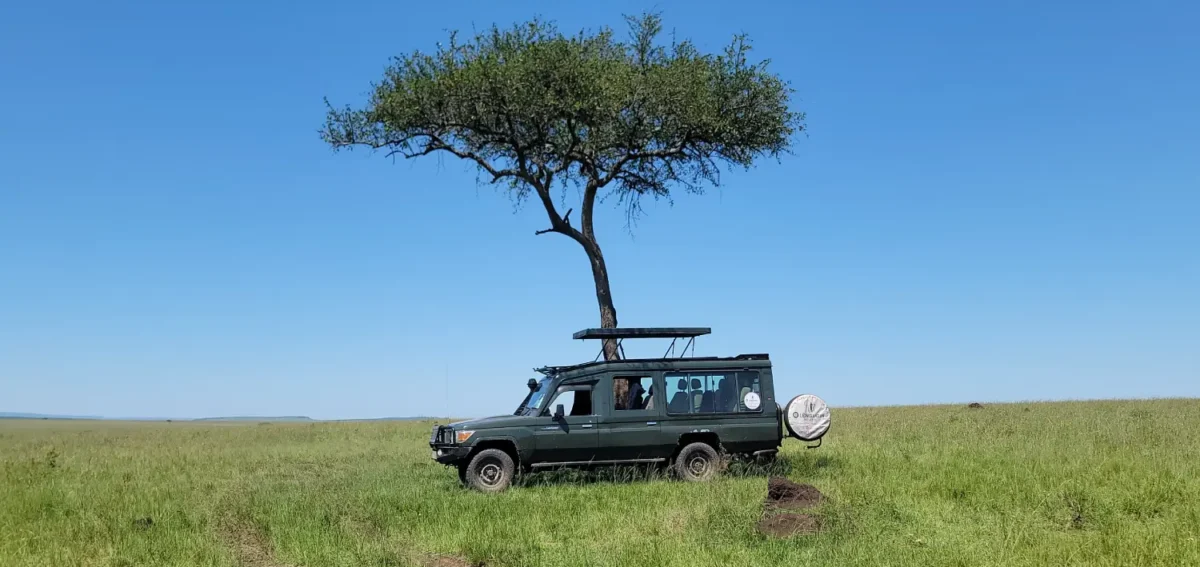
In addition, Olengugih Safaris offers organized safari packages that include transport in a 4×4 safari jeep, whether departing from Nairobi or nearby towns. This option provides convenience and allows you to enjoy the journey without worrying about navigation.
Best Time to Visit and Activities
Amboseli National Park is open year-round, but the dry seasons (June to October and January to February) offer the best wildlife viewing. During these months, animals gather around water sources, making sightings more predictable. However, the green season also has its charm, with fewer crowds and lush scenery.
Visitors can enjoy a variety of activities, including game drives, birdwatching, cultural visits, and photography tours. Early morning and evening drives tend to offer the best chances of spotting wildlife while also providing beautiful lighting conditions.
Amboseli National Park delivers a well-rounded safari experience with its mix of wildlife, landscapes, and culture. From iconic elephant sightings to stunning views of Kilimanjaro, every moment in Amboseli feels memorable and authentic.