Ruma National Park is one of Kenya’s most unique and least-visited wildlife destinations, offering travellers an authentic safari experience in the heart of western Kenya. Located in Homa Bay County near the shores of Lake Victoria, the park covers approximately 120 square kilometres and protects a rich mosaic of grasslands, woodlands, riverine forests, and seasonal wetlands.
Established as a national park in 1983, Ruma National Park is best known as the last remaining sanctuary for the endangered roan antelope in Kenya. It is also one of the few places in the country where visitors can observe this rare and striking antelope in its natural habitat. Combined with its diverse wildlife, excellent birdwatching opportunities, and scenic landscapes, Ruma National Park offers a rewarding off-the-beaten-path safari experience.
For nature enthusiasts, birdwatchers, photographers, and conservation-minded travellers, Ruma National Park represents one of Kenya’s hidden wildlife treasures.
Ruma National Park lies within the picturesque Lambwe Valley, bordered by the Kanyamwa Escarpment to the southeast and volcanic hills to the north. The park’s diverse landscapes include rolling grasslands, acacia woodlands, seasonal rivers, wetlands, and scattered rocky outcrops.
The open plains offer excellent wildlife viewing, while the surrounding hills create dramatic scenery throughout the park. Seasonal changes transform the landscape from lush green grasslands during the rains to golden savannah during the dry season.
This varied environment supports a wide range of plant and animal species and contributes to the park’s ecological importance.
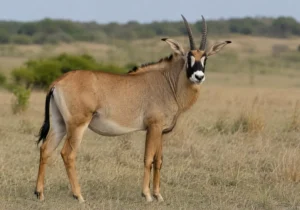
One of the most important reasons to visit Ruma National Park is the opportunity to see the roan antelope, one of Africa’s rarest and most impressive antelope species.
Ruma National Park is the only protected area in Kenya where roan antelopes survive naturally. These large antelopes are easily recognised by their reddish-brown coats, distinctive facial markings, and long, curved horns.
Conservation efforts within the park focus heavily on protecting this endangered population, making Ruma a critical sanctuary for the species and an important destination for wildlife conservation.
While the roan antelope is the park’s most famous resident, Ruma National Park supports a variety of wildlife species adapted to its grasslands and woodland habitats.
The relatively low visitor numbers create a peaceful environment where animals can thrive with minimal disturbance. Wildlife sightings are often excellent due to the park’s open landscapes.
The park is also an important refuge for several species that have become increasingly rare in other parts of Kenya.
Ruma National Park is one of Kenya’s finest birdwatching destinations, with more than 400 recorded bird species. Its grasslands, wetlands, woodlands, and rivers attract both resident and migratory birds year-round.
The park is internationally recognised as one of Kenya’s most important habitats for the endangered Blue Swallow, a migratory bird that visits the area seasonally.
Bird enthusiasts often consider Ruma one of the most rewarding birding locations in western Kenya.
Ruma National Park holds global conservation significance as one of the few protected areas in Kenya that supports the endangered Blue Swallow.
These beautiful migratory birds travel thousands of kilometres from southern Africa and depend on Ruma’s grasslands for seasonal breeding and feeding habitats. Conservation programs focus on protecting these critical grassland ecosystems to ensure the survival of the species.
The presence of the Blue Swallow has helped raise the park’s international conservation profile.
Ruma National Park is also known for its successful conservation efforts involving the Rothschild’s giraffe, one of the most threatened giraffe populations in Africa.
The park provides a secure habitat where these giraffes can thrive, contributing to national conservation programs that aim to increase their numbers. Visitors have a good chance of observing Rothschild’s giraffes grazing across the park’s open plains.
This conservation success highlights the park’s importance as a biodiversity refuge.
Game drives offer opportunities to observe roan antelopes, giraffes, buffaloes, and other wildlife species across the park’s open landscapes.
The park’s rich birdlife attracts bird enthusiasts from around the world.
Open grasslands and abundant wildlife provide excellent photography opportunities.
Visitors can explore diverse habitats and learn about the park’s unique ecosystems.
Travelers can gain insights into conservation efforts focused on roan antelopes, Rothschild’s giraffes, and Blue Swallows.
The Lambwe Valley and surrounding escarpments create beautiful natural scenery throughout the park.
Ruma National Park plays a critical role in conserving western Kenya’s biodiversity. It protects endangered wildlife populations, important bird habitats, and unique grassland ecosystems that are increasingly rare elsewhere.
Conservation efforts focus on habitat management, wildlife monitoring, anti-poaching operations, and community engagement. These initiatives help safeguard the park’s ecological integrity while supporting sustainable tourism and local livelihoods.
Its importance extends beyond Kenya, contributing to regional and international conservation goals.
Visitors to Ruma National Park are required to pay entry fees administered by the Kenya Wildlife Service (KWS).
| Visitor Category | Adult | Child/Student |
|---|---|---|
| East African Citizen | KES 500 | KES 250 |
| Kenya Resident | KES 675 | KES 350 |
| Other African Citizen | USD 20 | USD 10 |
| Non-Resident | USD 40 | USD 20 |
| Service | Details |
|---|---|
| Park Management | Kenya Wildlife Service (KWS) |
| Location | Homa Bay County, Western Kenya |
| Best Time to Visit | June–October and January–March |
| Main Attractions | Roan antelope, Rothschild’s giraffe, Blue Swallow habitats |
| Activities | Game drives, birdwatching, photography, nature exploration |
| Recommended Stay | 1–2 days |
| Accessibility | Accessible by road from Kisumu and Homa Bay |
| Payment Method | eCitizen and approved KWS cashless payment platforms |
Entry fees are subject to change by the Kenya Wildlife Service (KWS). Visitors should verify current rates before travel.
The best time to visit Ruma National Park is during the dry seasons from June to October and January to March.
These months provide favourable conditions for wildlife viewing as animals gather around water sources and vegetation is less dense. Birdwatching is rewarding throughout the year, particularly during migratory seasons when species such as the Blue Swallow are present.
The rainy seasons transform the grasslands into lush green landscapes that are especially attractive for photography.
Ruma National Park is a remarkable destination that combines rare wildlife, outstanding birdwatching, beautiful landscapes, and significant conservation value. As Kenya’s last refuge for the roan antelope and an important sanctuary for Rothschild’s giraffes and Blue Swallows, the park plays a vital role in preserving some of East Africa’s most threatened species.
Whether you are a wildlife enthusiast, birder, photographer, or traveler seeking a unique safari experience away from the crowds, Ruma offers an unforgettable journey into one of Kenya’s most important yet underrated protected areas.