Hell’s Gate National Park is one of Kenya’s most unique and accessible national parks, renowned for its towering cliffs, dramatic gorges, geothermal activity, and adventure-based safari experiences. Located near Lake Naivasha in Kenya’s Great Rift Valley, the park covers approximately 68 square kilometers and offers visitors a rare opportunity to explore a protected wildlife area on foot, by bicycle, or through guided hiking excursions.
Established in 1984, Hell’s Gate National Park is named after a narrow break in the cliffs once believed to be a gateway to the underworld due to its dramatic geological features. Unlike many traditional safari destinations, the park combines spectacular landscapes, wildlife viewing, rock climbing, hiking, and geothermal attractions, making it one of Kenya’s most exciting outdoor adventure destinations.
The park’s rugged scenery, volcanic formations, and rich biodiversity attract nature enthusiasts, photographers, hikers, cyclists, and travelers seeking a more active safari experience.
The landscapes of Hell’s Gate National Park are among the most striking in Kenya. Massive volcanic cliffs, towering rock formations, deep gorges, and open grasslands create a dramatic setting unlike any other national park in the country.
The park lies within the Great Rift Valley, an area shaped by intense volcanic activity over millions of years. Visitors encounter towering cliffs such as Fischer’s Tower and Central Tower, both of which rise dramatically above the surrounding plains.
The combination of rugged volcanic terrain, scenic valleys, and expansive grasslands provides breathtaking views and exceptional opportunities for exploration and photography. The park’s distinctive scenery is said to have inspired landscapes featured in Disney’s The Lion King.
One of the park’s most iconic attractions is the Hell’s Gate Gorge, a narrow canyon carved by water flowing through volcanic rock over thousands of years.
The gorge features towering sandstone walls, winding pathways, natural hot springs, and fascinating rock formations shaped by erosion. Guided walks through the gorge allow visitors to explore its dramatic passages while learning about the geological forces that created this extraordinary landscape.
The constantly changing colors of the canyon walls, especially during sunrise and sunset, create stunning photographic opportunities. Exploring the gorge remains one of the highlights of any visit to Hell’s Gate National Park.
Hell’s Gate National Park sits within an active geothermal region of the Great Rift Valley. Steam vents, hot springs, and geothermal features provide evidence of the powerful volcanic forces beneath the Earth’s surface.
The nearby Olkaria Geothermal Field is one of Africa’s most important renewable energy projects, generating significant amounts of electricity for Kenya. Visitors can observe steam rising from the ground in various parts of the park, creating a fascinating and otherworldly atmosphere.
These geothermal features not only contribute to the park’s unique scenery but also highlight the geological significance of the Rift Valley region.
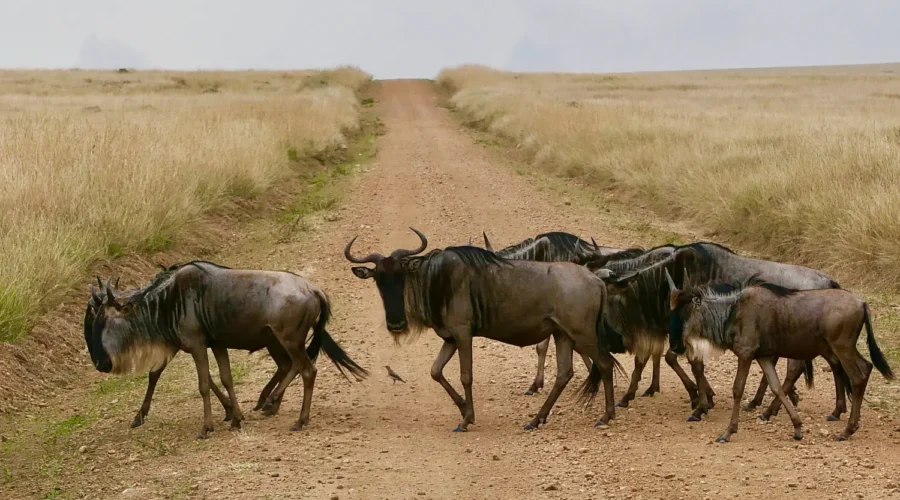
Although Hell’s Gate National Park does not host large predators such as lions, it supports a variety of wildlife species that thrive within its grasslands, cliffs, and volcanic landscapes.
The absence of dangerous predators allows visitors to safely explore parts of the park on foot or by bicycle, creating a safari experience that differs significantly from traditional game-viewing destinations.
Wildlife sightings are common throughout the park, especially in the open plains and near water sources.
Hell’s Gate National Park offers excellent birdwatching opportunities, particularly due to its dramatic cliffs and diverse habitats. The park is especially famous for its populations of raptors that nest along rocky escarpments.
Bird enthusiasts can observe numerous resident and migratory species throughout the year while exploring different areas of the park.
The towering cliffs provide ideal nesting sites for many birds of prey, making the park particularly attractive to birdwatchers.
Fischer’s Tower is one of the most recognizable landmarks within Hell’s Gate National Park. This volcanic rock formation rises approximately 25 meters above the surrounding landscape and serves as a popular attraction for climbers and photographers.
According to Maasai folklore, the tower represents a girl who was turned to stone after disobeying traditional customs. The fascinating cultural story adds depth to the geological significance of the formation.
Visitors often stop at Fischer’s Tower to admire its unique shape and enjoy panoramic views of the surrounding Rift Valley landscape.
Hell’s Gate is one of the few national parks in Africa where visitors can cycle among wildlife while enjoying close-up encounters with zebras, gazelles, and giraffes.
Guided hikes through Hell’s Gate Gorge provide opportunities to explore dramatic canyon landscapes and geological features.
Visitors can enjoy excellent wildlife sightings throughout the park’s open grasslands and valleys.
The park’s towering cliffs and rock formations attract climbers seeking adventure within a spectacular natural environment.
Numerous bird species, particularly raptors, make the park an excellent destination for bird enthusiasts.
The combination of cliffs, wildlife, geothermal features, and dramatic landscapes creates outstanding photography opportunities.
Many travelers associate Hell’s Gate National Park with the landscapes that inspired elements of Disney’s The Lion King. The dramatic cliffs, rock formations, and sweeping plains bear a striking resemblance to scenes depicted in the animated film.
While the movie was not directly filmed here, the Rift Valley scenery served as inspiration for artists creating the iconic African landscapes seen throughout the story.
This connection has helped make Hell’s Gate a popular destination for visitors seeking recognizable and picturesque African scenery.
Hell’s Gate National Park plays an important role in conserving the ecosystems of Kenya’s Great Rift Valley. The park protects unique geological formations, wildlife habitats, bird populations, and important ecological processes.
Conservation efforts focus on maintaining biodiversity, protecting geological heritage, supporting sustainable tourism, and preserving critical habitats for wildlife and bird species.
Its proximity to Lake Naivasha further enhances its ecological importance within the broader Rift Valley ecosystem.
The best time to visit Hell’s Gate is during the dry seasons from June to October and January to March.
These months provide favorable conditions for hiking, cycling, wildlife viewing, and photography. Trails are generally easier to navigate, and wildlife is often more visible in the open grasslands.
The rainy seasons bring lush vegetation and beautiful scenery, making the park particularly attractive for photography and birdwatching, although some trails may become slippery.
Hell’s Gate National Park offers a unique blend of adventure, wildlife, geology, and breathtaking scenery that sets it apart from traditional safari destinations. From cycling alongside zebras and exploring dramatic gorges to witnessing geothermal activity and towering volcanic cliffs, the park provides an unforgettable outdoor experience in the heart of Kenya’s Great Rift Valley.
Whether you are interested in hiking, photography, wildlife viewing, birdwatching, or simply exploring one of Kenya’s most fascinating landscapes, Hell’s Gate delivers an exciting and memorable adventure for visitors of all ages. Its combination of natural beauty, accessibility, and adventure activities makes it one of Kenya’s most distinctive national parks.